

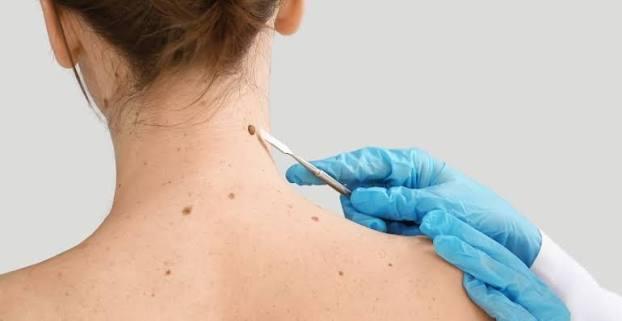

Skin tags are small, soft growths that commonly appear in areas where skin rubs against skin or clothing. They may develop on the neck, underarms, eyelids, chest, back, groin, or other areas of the body. People searching for إزالة الزوائد الجلدية في دبي often want to know whether skin tag removal can be performed safely on any body area. In many cases, skin tags can be removed from different parts of the body, but the appropriate technique depends on the size, location, appearance, and number of growths. A professional assessment is important before removal to confirm that the growth is suitable for treatment.
Where Can Skin Tags Commonly Appear?
Skin tags can develop in several areas of the body.
Neck
The neck is one of the most common locations because the skin may experience repeated friction from collars, jewelry, or natural skin movement.
Underarms
Skin tags can appear in the underarm area where moisture and friction are common.
Eyelids
Small skin tags may sometimes develop around the eyelids, although this is a particularly delicate area that requires careful assessment.
Chest
Skin tags can develop on the chest, especially in areas exposed to repeated friction.
Back
Growths may occur on the back and can sometimes become irritated by clothing.
Groin
The groin can be affected because of friction and moisture, but growths in this area should be professionally assessed before removal.
Can Skin Tags Be Removed From the Face?
Skin tag removal may be possible on selected areas of the face.
Facial Skin Requires Care
The face is highly visible, so treatment should be planned carefully to minimize unnecessary irritation or noticeable marks.
Small Growths
Small, clearly identified skin tags may be suitable for removal.
Sensitive Areas
Areas close to the eyes, lips, or other delicate structures require additional care.
Individual Assessment
A professional should determine whether removal is appropriate and which technique is most suitable.
Can Skin Tags Be Removed From the Eyelids?
Eyelid skin tags require particular caution.
Delicate Skin
The skin around the eyes is thinner and more sensitive than many other areas.
Eye Protection
Any procedure near the eyes requires appropriate precautions.
Accurate Diagnosis
Not every growth around the eyelid is necessarily a skin tag, so professional assessment is important.
Suitable Technique
The removal method should be selected according to the location, size, and appearance of the growth.
Can Skin Tags Be Removed From the Neck?
Yes, the neck is commonly treated when skin tags cause cosmetic or physical concerns.
Friction
Collars, necklaces, and natural skin movement can repeatedly rub against the area.
Cosmetic Concerns
Visible skin tags may affect a person's confidence about the appearance of the neck.
Irritation
Larger or raised growths may become irritated by clothing or accessories.
Treatment Planning
The appropriate removal method depends on the characteristics of each skin tag.
Can Skin Tags Be Removed From the Underarms?
Underarm skin tags can often be evaluated for removal.
Repeated Friction
Movement of the arms can cause skin-to-skin friction.
Shaving
Skin tags may become irritated during shaving.
Moisture
The underarms can remain warm and moist, which may contribute to irritation.
Comfort
Removing troublesome skin tags may reduce repeated catching or irritation.
Can Skin Tags Be Removed From the Chest and Back?
Skin tags on the chest and back can also be assessed.
Clothing Friction
Shirts, bras, and other clothing may rub against raised growths.
Larger Growths
Some skin tags may become more noticeable as they increase in size.
Multiple Growths
A person may have several skin tags in the same general area.
Professional Evaluation
Each growth should be assessed before removal, particularly if its appearance is unusual.
Can Skin Tags Be Removed From the Groin Area?
Skin tags can occur around the groin because of friction and moisture.
Sensitive Location
The area requires careful treatment planning.
Clothing Friction
Underwear and other clothing can repeatedly irritate the growth.
Accurate Diagnosis
Other types of growths can resemble skin tags, so professional assessment is especially important.
Appropriate Removal
The treatment method should be selected according to the exact location and characteristics of the growth.
Can Skin Tags Be Removed From Any Body Area?
Skin tag removal can be performed in many body areas, but it is not accurate to say that every growth in every location can automatically be removed using the same method.
Location Matters
Areas such as the eyelids and groin require more careful planning than less sensitive areas.
Size Matters
Larger growths may require a different approach from very small skin tags.
Number Matters
Multiple growths may require a customized treatment plan.
Appearance Matters
A growth that does not have the typical appearance of a skin tag may require further evaluation.
Why Is Professional Assessment Important?
Before removal, a qualified professional should confirm that the growth is actually a skin tag.
Similar-Looking Growths
Some moles, warts, cysts, or other skin lesions can resemble skin tags.
Unusual Changes
Changes in color, size, shape, bleeding, or persistent irritation should be evaluated.
Correct Diagnosis
Accurate identification helps determine whether cosmetic removal is appropriate.
Choosing the Right Approach
Once the growth has been assessed, the most suitable removal method can be discussed.
What Skin Tag Removal Methods May Be Considered?
The method depends on the location and characteristics of the growth.
Cryotherapy
Freezing may be used for selected skin growths.
Cauterization
Heat or electrical energy may be used to remove certain lesions.
Snip Removal
Small skin tags may sometimes be removed using a sterile cutting technique.
Other Clinical Techniques
The appropriate approach depends on the professional assessment and the specific characteristics of the growth.
Is Skin Tag Removal Safe for Sensitive Areas?
Sensitive areas can sometimes be treated, but they require additional precautions.
Around the Eyes
Extra care is needed because of the delicate surrounding structures.
Groin
The area may require careful positioning and treatment planning.
Facial Areas
The potential for visible marks should be considered.
Thin Skin
Areas with thinner skin may require a more conservative approach.
Can Skin Tag Removal Leave a Mark?
Any procedure that affects the skin can potentially result in temporary or lasting changes.
Temporary Redness
The treated area may appear red shortly after removal.
Scabbing
A small scab may develop as the skin heals.
Pigmentation Changes
Some people may experience temporary darkening or lightening after skin injury.
Scarring
Although not always expected, scarring is possible, particularly when healing is complicated or the treatment area is repeatedly irritated.
Following professional aftercare instructions can support appropriate healing.
What Should You Avoid After Skin Tag Removal?
Aftercare depends on the removal method and treatment area.
Avoid Picking
Picking at a healing area can increase irritation and interfere with recovery.
Protect the Area
The treated skin should be kept clean and protected according to professional instructions.
Avoid Unnecessary Friction
Repeated rubbing can irritate healing skin.
Follow Aftercare Advice
Specific instructions should be followed according to the treatment performed.
When Should a Skin Tag Be Professionally Checked?
Not every skin growth should simply be removed without assessment.
Sudden Changes
A growth that changes quickly should be evaluated.
Bleeding
Unexpected bleeding should not be ignored.
Pain
Persistent or unusual pain may require assessment.
Color Changes
Significant changes in color or appearance should be checked.
Rapid Growth
A growth that suddenly increases in size deserves professional evaluation.
Checkpoint: What Should You Know Before Skin Tag Removal?
A few important factors should be considered before treatment.
Confirm the Diagnosis
Make sure the growth has been professionally identified.
Consider the Location
Sensitive areas may require specialized treatment.
Discuss Your Skin Type
Your tendency toward pigmentation or scarring can be relevant.
Understand Aftercare
Knowing how to care for the treated area can support healing.
Have Realistic Expectations
The goal is to remove the targeted growth while minimizing unnecessary skin trauma.
Personalized Skin Tag Removal Planning
There is no single removal method that is appropriate for every skin tag. The location, size, number, shape, and appearance of the growth can all influence treatment planning.
For people with multiple skin tags, sensitive skin, or growths in delicate locations, a professional consultation can help determine the safest and most appropriate approach. This is particularly important when growths are located around the eyes, face, or groin.
How Can You Maintain Healthy Skin After Removal?
Good skin care can support the treated area during recovery.
Keep the Area Clean
Follow the recommended cleansing routine.
Protect Healing Skin
Avoid unnecessary exposure to irritation while the area recovers.
Avoid Picking
Allow the skin to heal naturally rather than removing scabs.
Follow Professional Guidance
Aftercare recommendations should be followed until the area has healed.
Conclusion
Skin tag removal can be performed on many areas of the body, including the neck, underarms, face, chest, back, groin, and selected areas around the eyes. However, not every growth is automatically suitable for removal, and the same treatment method may not be appropriate for every location. Sensitive areas require particular care because the surrounding skin and structures can be more delicate. The size, number, appearance, and exact location of the growth should also be considered before treatment.
