


How Paper Technology Supports Food Preparation
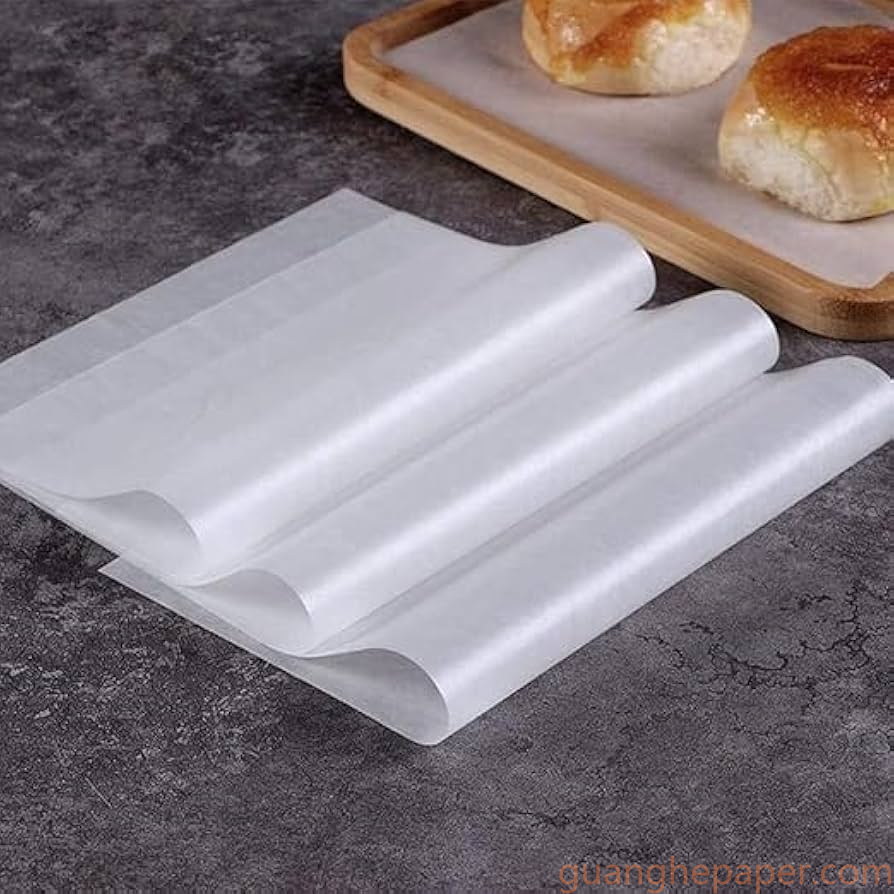
In professional kitchens and food-processing facilities, Baking Paper supports several stages of preparation, from lining trays to separating products and improving food handling. Although it is often treated as a simple consumable, its performance depends on the quality of the paper substrate, the consistency of the surface coating, the accuracy of converting, and the suitability of the final format. Choosing the right material can help food businesses maintain a cleaner, more organized, and more predictable production process.
The paper substrate is the starting point. Food preparation paper must be flexible enough to fit trays and molds while maintaining enough strength for handling. It may be folded, cut, stacked, wrapped, or placed under food products before heating. A weak substrate can tear during placement or removal, while an overly rigid sheet may be difficult to position. The material should therefore be selected according to the physical demands of the intended application.
Surface treatment provides much of the functional value associated with baking paper. Silicone coating is widely used because it creates a non-stick interface between food and the paper. This can help baked goods separate from trays and molds with less effort. For products such as cookies, pastries, bread, and roasted foods, easier release may reduce tearing and help preserve the appearance of the finished product.
The quality of the coating is as important as the presence of the coating itself. Commercial users need consistent behavior across repeated production cycles. If the surface treatment is uneven, some areas may release food easily while others may cause sticking. This can increase labor requirements and create inconsistent results. Controlled coating application and inspection help reduce these variations and support more reliable use.
Grease resistance is another important property. Butter, oil, sauces, and other ingredients may penetrate ordinary paper and affect its appearance or strength. Properly treated paper helps limit this penetration and keeps the working surface cleaner. In busy bakeries, this can reduce residue on trays and preparation tables. When the paper is used for takeaway or food presentation, grease resistance may also help maintain a cleaner appearance during handling.
Heat conditions vary between applications. Traditional baking, roasting, reheating, and air frying may expose paper to different combinations of temperature, moisture, and airflow. The paper should be selected according to the intended process and used in accordance with the supplier’s guidance. Buyers should avoid assuming that every paper described as suitable for food preparation has identical performance in every heating environment.
Paper format can influence productivity. Flat sheets are convenient for manual tray lining and can be stored in stacks. Rolls can be used where flexible lengths or continuous feeding are required. Pre-cut liners may simplify repetitive preparation, while shaped liners can support particular trays or cooking containers. The most suitable format depends on the equipment, food product, and working method.
Converting processes such as slitting, cutting, and folding help transform the base material into a usable product. Consistent dimensions and clean edges can make the paper easier to position and feed into equipment. Inaccurate cutting may cause misalignment or require manual adjustment. For commercial customers, converting quality should therefore be evaluated alongside the paper’s surface properties.
Food-contact safety is a fundamental part of product selection. Materials should be produced, handled, and packed under suitable quality procedures. Buyers may need information about the base paper, coating materials, production controls, and applicable compliance documentation. A professional supplier should provide clear and accurate information rather than relying on broad claims that do not explain the actual product.
Packaging and storage also affect product condition. Paper should be protected from dust, moisture, crushing, and unnecessary deformation. Rolls and sheets may require different packaging methods, especially when they will be transported over long distances. Clear labels and organized packing can help distributors and warehouse teams identify the correct product format and reduce inventory errors.
Many food businesses are also considering sustainability when selecting paper. Unbleached materials, recycled content, responsible sourcing, and packaging reduction may be relevant to a company’s purchasing policy. These factors should be assessed with the same care as food-contact suitability and functional performance. A paper product must still meet the practical demands of the process in which it will be used.
Customization can help businesses match paper to their specific workflows. Customers may request particular sheet sizes, roll formats, folding arrangements, packaging styles, or printed designs. To develop a suitable solution, the supplier needs to understand the food application, equipment, handling method, and storage conditions. Early communication can reduce production changes and help ensure that the final format is practical.
For international buyers, supplier reliability includes more than product availability. Clear communication about samples, packaging, documentation, production schedules, and shipment preparation can improve purchasing efficiency. A supplier that understands both material technology and food-processing applications can provide more useful guidance throughout the order process.
A suitable Baking Paper product should provide a stable substrate, consistent surface treatment, appropriate grease resistance, reliable converting, and safe food-contact handling. Businesses evaluating paper for baking, roasting, food preparation, or packaging can explore the available solutions at https://www.guanghepaper.com/product/ and select formats that align with their production requirements.

 Bangla