

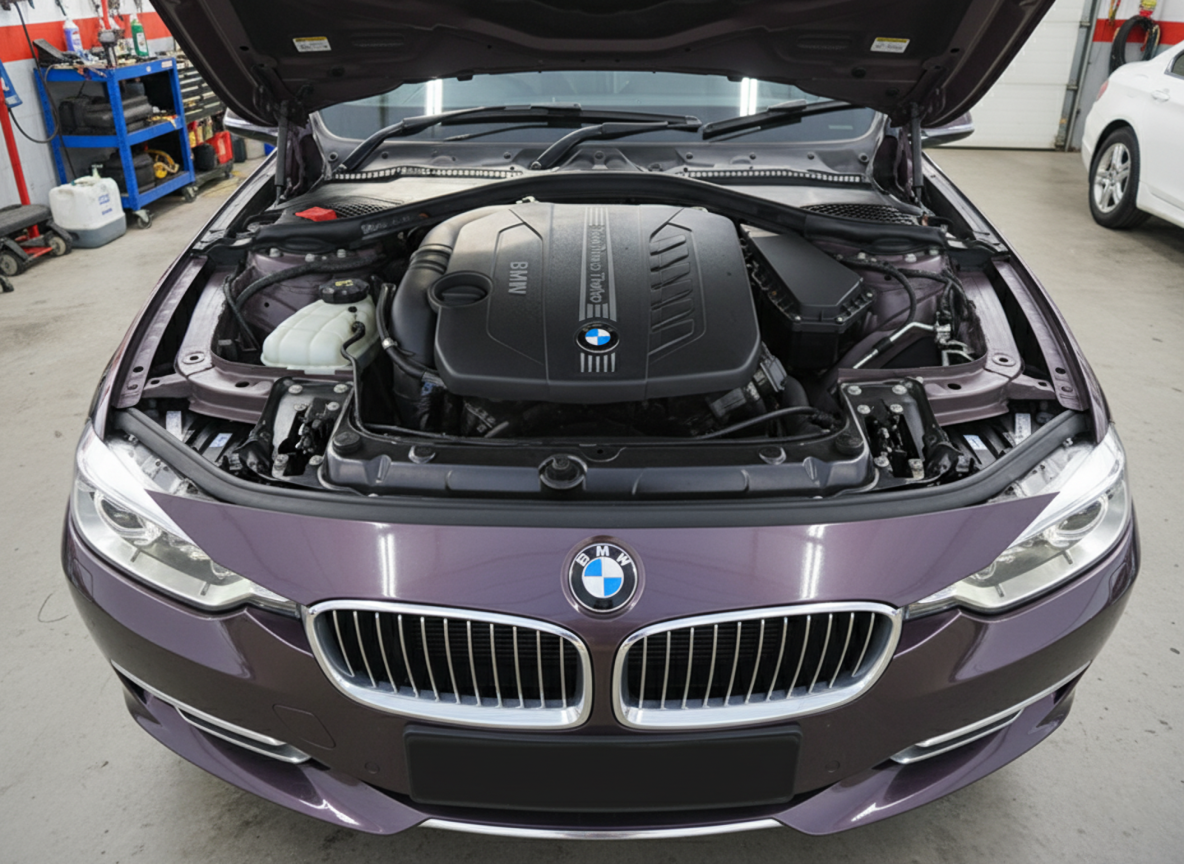

Why Preventive Engine Care Matters
Owning a premium vehicle comes with the responsibility of maintaining its mechanical systems properly. Regular care can help identify small faults before they develop into expensive repairs. UK roads expose vehicles to traffic congestion, frequent stops, motorway journeys, and changing weather, all of which can influence mechanical wear. By following a sensible maintenance routine, drivers can protect performance and avoid unnecessary breakdowns. Good preventive care also helps BMW Engines deliver dependable power and smoother operation over a longer period. Rather than waiting for a serious fault, owners should treat maintenance as an ongoing part of responsible vehicle ownership.
Keeping Engine Oil in Good Condition
Engine oil plays an essential role in reducing friction between internal components. Over time, heat, contaminants, and normal use can reduce its effectiveness. Delaying oil changes may allow increased friction and deposits to affect important components. Owners should always follow the appropriate maintenance guidance for their particular vehicle and use suitable oil specifications. Regular oil checks can also reveal possible leaks or unusual consumption before they become more serious. When drivers maintain proper lubrication, BMW Engines can operate more smoothly while reducing unnecessary internal wear during both short urban journeys and longer motorway trips.
Monitoring Coolant and Temperature Levels
A reliable cooling system helps control the considerable heat produced during engine operation. Coolant, radiators, thermostats, hoses, and related components all contribute to temperature management. If coolant levels fall or a component develops a fault, overheating can occur and potentially cause significant damage. Drivers should never ignore temperature warnings, steam, unusual smells, or repeated coolant loss. Routine inspections can identify leaks and worn parts before they create a major problem. Proper cooling-system maintenance gives BMW Engines a better operating environment and can help reduce the likelihood of costly repairs caused by excessive heat.
Recognising Changes in Engine Behaviour
Drivers often notice changes in their vehicle before a serious mechanical problem becomes obvious. Unusual noises, hesitation, vibration, reduced acceleration, difficult starting, or changes in exhaust smoke can all deserve investigation. Although these symptoms do not automatically indicate major engine failure, ignoring them can allow an underlying issue to progress. Paying attention to changes in driving behaviour gives owners an opportunity to arrange professional diagnostics at an earlier stage. Early investigation can protect BMW Engines from additional damage and may also reduce the overall cost of putting the vehicle back into reliable working condition.
Understanding the Impact of Driving Style
Driving habits can have a meaningful effect on mechanical longevity. Repeated harsh acceleration, aggressive driving when the engine is cold, and prolonged high-load operation can place additional stress on components. UK motorists who regularly drive in heavy city traffic may also experience different wear patterns from those who mainly use motorways. Smooth acceleration, sensible engine loading, and allowing the vehicle to reach normal operating conditions can support better mechanical health. Responsible driving therefore complements routine servicing and helps BMW Engines cope with everyday demands without unnecessary stress on internal components.
Giving Filters the Attention They Deserve
Clean air and effective fuel filtration support efficient combustion. Air filters can gradually collect dust and debris, while fuel filters may become restricted by contaminants. A neglected filter can influence airflow or fuel delivery and may contribute to weaker performance or inefficient operation. During scheduled servicing, technicians can assess the condition of these components and replace them when required. Keeping filtration systems in suitable condition allows BMW Engines to receive the airflow and fuel supply necessary for proper operation. These relatively simple maintenance tasks can contribute to smoother running and more consistent performance.
Using Professional Diagnostics When Necessary
Modern vehicles rely on electronic systems to monitor many aspects of engine operation. When a warning light appears, professional diagnostic equipment can help identify stored fault information and guide further investigation. Replacing parts without first identifying the underlying problem can waste money and may fail to solve the actual issue. A knowledgeable technician can combine diagnostic information with physical inspection to reach a more accurate conclusion. This approach is particularly valuable when maintaining BMW Engines because modern systems can involve several interconnected electronic and mechanical components that require careful assessment.
Choosing the Right Maintenance Specialist
The quality of servicing depends partly on the knowledge and equipment available at the chosen garage. Owners should consider whether technicians have relevant experience, suitable diagnostic equipment, and a transparent approach to repairs. A trustworthy specialist should explain identified faults clearly rather than recommending unnecessary work without proper justification. Customer reviews and service documentation can also help drivers assess a garage before committing to major repairs. Selecting an experienced professional can make maintaining BMW Engines more straightforward and can give owners greater confidence that important mechanical issues receive appropriate attention.
Keeping Detailed Maintenance Records
Service records provide useful information about a vehicle's mechanical history. They can show when oil changes, inspections, repairs, filter replacements, and other maintenance tasks took place. Accurate documentation helps technicians understand previous work and may make future diagnosis easier. It can also support resale value because prospective buyers can see evidence of responsible ownership. Keeping a clear maintenance history is especially useful when looking after Engine Solutions over many years because consistent records help owners follow upcoming service requirements and identify recurring concerns before they become major problems.
Building a Long-Term Maintenance Routine
Long-term reliability comes from consistent attention rather than one-off repairs. Owners should combine scheduled servicing with regular checks, responsible driving, prompt investigation of warning signs, and professional inspections when necessary. Seasonal changes also provide a useful reminder to review fluids, battery condition, tyres, and cooling-system performance. A proactive approach can reduce the risk of unexpected breakdowns and make vehicle ownership more predictable. Ultimately, caring properly for BMW Engines allows UK drivers to protect performance, manage repair costs more effectively, and enjoy greater confidence every time they get behind the wheel.
