


Understanding the Hair Transplant Treatment Process
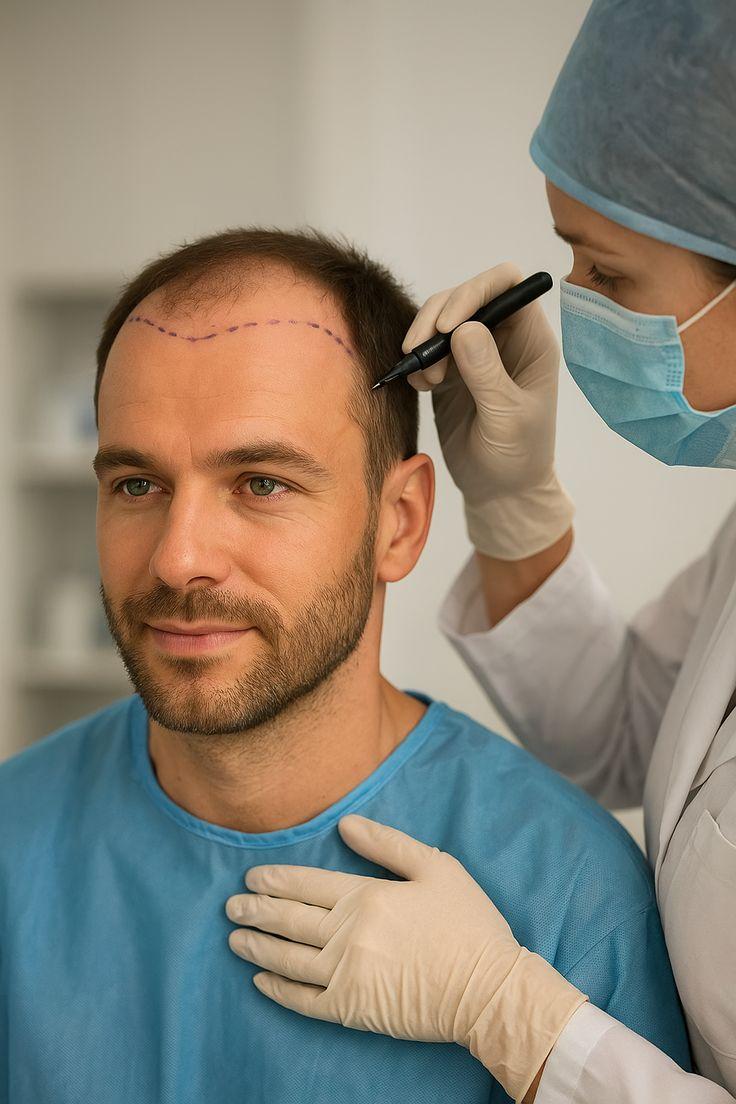
Hair loss can affect both appearance and confidence, especially when thinning becomes noticeable around the hairline, temples, crown, or top of the scalp. While there are numerous products and treatments designed to manage hair loss, some individuals consider surgical restoration when they want a more lasting approach. A hair transplant can help suitable candidates restore hair to areas affected by thinning or baldness using their own healthy follicles.
Understanding each stage of the treatment process can help patients prepare properly and develop realistic expectations. From the initial consultation to the gradual development of new hair, every stage contributes to the overall restoration journey.
Initial Hair Transplant Consultation
The hair transplant process usually begins with a detailed consultation. During this appointment, a qualified specialist examines the scalp and evaluates the pattern and extent of hair loss.
The donor area is also assessed to determine whether enough healthy follicles are available for transplantation. The specialist may consider hair density, texture, growth pattern, age, and the potential for future hair loss.
Patients should use the consultation to discuss their goals and ask questions about the recommended procedure, expected graft numbers, recovery period, potential risks, and anticipated results.
Developing a Personalized Treatment Plan
After assessing the scalp, the specialist can develop an individualized treatment plan. Hair loss varies considerably between people, so treatment should be designed around the patient's specific needs.
The plan may identify which areas should receive priority, such as the frontal hairline, temples, crown, or other thinning regions. The specialist also considers how available donor follicles can be distributed efficiently.
A carefully designed plan aims to create balanced coverage while preserving donor hair for potential future needs.
Choosing the Appropriate Technique
There are several approaches to hair transplantation, with FUE and FUT among the most commonly discussed techniques.
Follicular Unit Extraction, or FUE, involves extracting individual follicular units from the donor area. These grafts are then prepared for implantation into the recipient areas.
Follicular Unit Transplantation, or FUT, involves removing a strip of scalp containing healthy hair follicles. The strip is divided into individual follicular units before transplantation.
Neither technique is universally best for every patient. The appropriate method depends on donor hair characteristics, the extent of hair loss, treatment goals, and professional assessment.
Preparing for the Procedure
Before a hair transplant, patients receive instructions designed to prepare them for treatment. These instructions may relate to scalp washing, medications, supplements, smoking, alcohol, and physical activity.
Patients should provide their medical team with a complete list of medications and supplements. Some products can affect bleeding or healing, so professional guidance is essential.
Patients should never stop prescribed medication without consulting the appropriate healthcare professional.
Preparing the Donor Area
On the day of treatment, the donor area is prepared according to the selected technique. Local anesthesia is commonly used so that the procedure can be performed while the treatment area is numb.
The medical team carefully identifies the follicles that will be harvested. Proper graft selection is important because the donor area contains a limited supply of hair.
The goal is to obtain suitable follicles while maintaining a natural appearance in the donor region.
Extracting the Hair Follicles
During a hair transplant, follicles are harvested using the technique selected during consultation.
With FUE, individual follicular units are carefully extracted from the donor area. With FUT, a strip of tissue is removed and then divided into individual grafts.
The harvested follicles must be handled carefully to protect their structure and viability. Graft preparation is an important part of the process because the quality of handling can influence the potential outcome.
Preparing the Recipient Area
Once the grafts are ready, the specialist prepares the areas that will receive them. Tiny recipient sites are created according to the planned hairline, density, angle, and direction.
This stage requires precision. Hair naturally grows at different angles and follows specific patterns, so grafts should be positioned to complement existing hair.
The design is particularly important around the hairline because this area is highly visible.
Implanting the Grafts
The prepared grafts are carefully placed into the recipient sites. The specialist considers the number of hairs within each follicular unit and positions them strategically.
Single-hair grafts may be useful around the front of the hairline to create a softer transition, while grafts containing multiple hairs can be positioned farther behind the hairline to improve density.
The objective is to create coverage that looks natural rather than simply placing the maximum possible number of grafts.
Immediate Recovery
After a hair transplant, patients may experience temporary redness, swelling, tenderness, or small crusts around the treated areas. These effects can vary depending on the individual and the procedure.
The clinic provides aftercare instructions explaining how to protect the scalp during the initial healing period. Patients may need to temporarily avoid strenuous exercise, direct pressure, or activities that could disturb the grafts.
Following these instructions carefully can help support proper healing.
The Hair Growth Phase
One of the most important things to understand is that transplanted hair does not appear immediately. Some transplanted hairs may shed during the early stages while the follicles remain in place.
New growth generally develops gradually over the following months. Initially, the hairs may be fine or uneven before becoming thicker and more mature.
The final appearance can take a year or longer to fully evaluate in some patients. Growth rates differ, so patience is essential.
Follow-Up and Long-Term Care
Follow-up appointments allow the specialist to monitor healing and hair growth. These visits can also provide an opportunity to address concerns and discuss long-term hair management.
A hair transplant does not necessarily stop future thinning in areas that were not transplanted. Depending on the underlying cause of hair loss, additional treatments may be recommended to help preserve existing hair.
Patients should follow their specialist's advice regarding ongoing scalp and hair care.
Conclusion
The hair transplant treatment process involves several important stages, including consultation, personalized planning, technique selection, follicle extraction, graft preparation, precise implantation, recovery, and gradual new growth.
Understanding the process before treatment can help patients develop realistic expectations and prepare for recovery. Because every person's hair loss pattern and donor supply are different, an individualized assessment by a qualified medical professional is essential.
With appropriate planning, skilled treatment, careful aftercare, and patience, suitable candidates can work toward natural-looking hair restoration and improved coverage in areas affected by hair loss.
For more information visit Royal Hair Transplant clinic in islamabad

 Bangla