

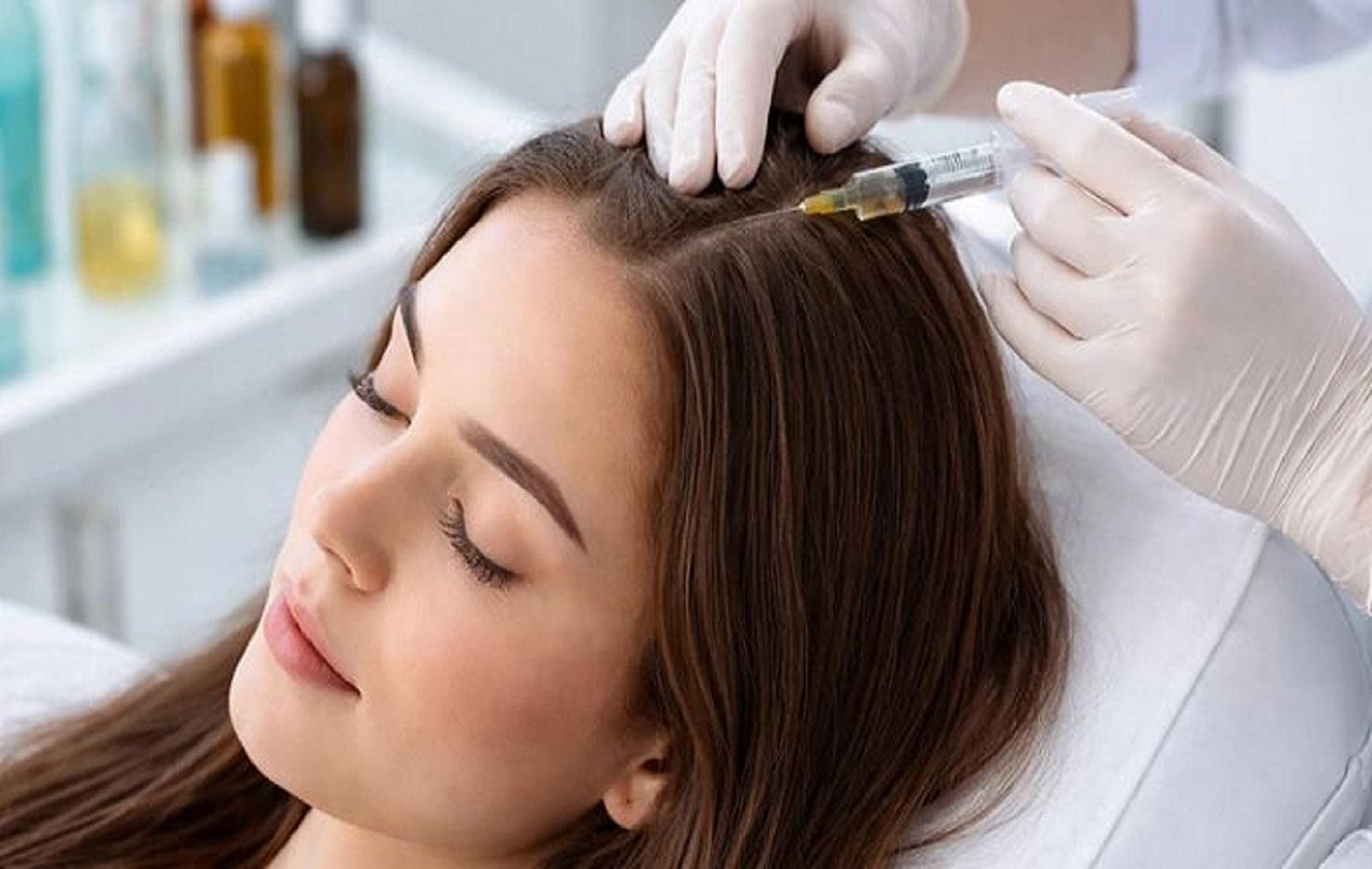

For many patients, the unknown is more unsettling than the procedure itself. Understanding each step of a Hair Transplant in Dubai — from the first incision to the final graft placement — removes much of that uncertainty. This article walks through how the procedure is typically performed, what happens on the day of treatment, and what patients can reasonably expect at each stage.
Preparation Before Hair Transplant in Dubai
Planning begins well before the treatment date. During the consultation phase, the clinician maps the recipient area, designs a hairline appropriate to your facial proportions, and estimates the number of grafts required.
Patients are usually given specific pre-procedure instructions, which may include:
-
Avoiding blood-thinning medications for a set period
-
Refraining from alcohol and smoking
-
Washing the scalp with a recommended cleanser
-
Eating a light meal unless advised otherwise
-
Arranging transport home after the session
These steps help reduce bleeding risk and support smoother healing.
Anaesthesia and Comfort
Most hair transplant procedures are performed under local anaesthesia. This means the scalp is numbed while the patient remains awake and responsive. Sedation may be offered in some cases to reduce anxiety.
Patients commonly describe the injection phase as briefly uncomfortable, after which the scalp feels numb. Throughout the procedure, most report feeling pressure or movement rather than pain.
Step One: Harvesting the Grafts
The method of harvesting depends on the technique selected.
FUE (Follicular Unit Extraction)
Individual follicular units are extracted using a small punch instrument. This approach avoids a linear scar and allows precise selection of donor follicles. It is time-intensive and requires careful handling to protect graft viability.
FUT (Follicular Unit Transplantation)
A thin strip of skin is removed from the donor area and then dissected into individual grafts under magnification. This technique can yield a high number of grafts in a single session but leaves a linear scar that is typically concealed by surrounding hair.
Step Two: Graft Preparation
Once harvested, grafts are kept in a holding solution and sorted by size and hair count. Proper hydration, temperature control, and minimal handling time all contribute to graft survival. This stage is largely performed by trained technical staff while the clinician continues working on the recipient area.
Step Three: Creating Recipient Sites
The clinician creates tiny incisions in the recipient area using fine instruments. The angle, direction, and density of these sites determine how natural the final hairline will appear. This is one of the most skill-dependent steps of the procedure, as hair must follow the natural growth pattern of the scalp.
Step Four: Implantation
Grafts are placed individually into the prepared sites. The clinician or team works methodically across the recipient area, matching graft size to site and maintaining consistent density.
A single session may involve hundreds to several thousand grafts, depending on the treatment plan. Sessions can last several hours, and breaks are typically scheduled for patient comfort.
What Patients Experience During the Session
Most patients remain comfortable throughout. Common experiences include:
-
Pressure or tugging sensations
-
Periods of sitting still for extended durations
-
Mild fatigue toward the end of the session
-
Occasional breaks for food, water, and rest
Music, films, or other distractions are often available to help pass the time.
Immediately After the Procedure
Once implantation is complete, the scalp is gently cleaned and dressed. Patients are given aftercare instructions and typically leave the clinic the same day. Mild swelling, tenderness, and a feeling of tightness are common in the first 24 to 48 hours.
At Tajmeels Clinic in Dubai, patients receive individualised post-procedure guidance covering scalp care, activity restrictions, and follow-up scheduling.
Understanding Graft Survival
Not every graft survives, and this is an important expectation to set. Graft survival depends on:
-
Handling technique during extraction and implantation
-
Time spent outside the body
-
Recipient site quality
-
Patient healing factors
-
Aftercare compliance
Clinicians aim to maximise survival through careful technique, but individual results vary.
Conclusion
A hair transplant is a structured, multi-step procedure rather than a single quick action. Understanding each phase — from preparation and anaesthesia through harvesting, site creation, and implantation — helps patients approach treatment with clearer expectations. If you are considering this procedure, a consultation at Tajmeels Clinic in Dubai can explain how these steps apply to your specific case.
For More Details, Contact Us Through:
WhatsApp: +971 56 203 8751
Phone: +971 4 373 9000
Social Media:
