

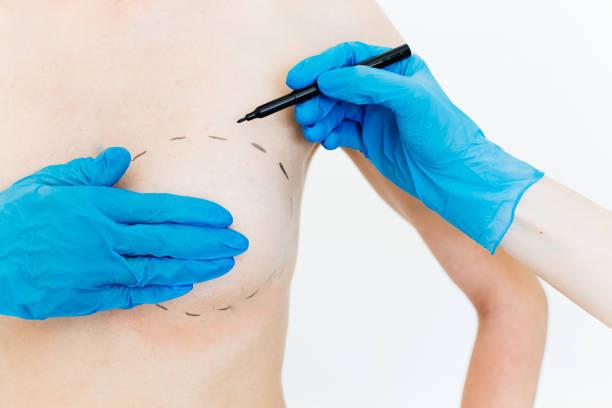
Silicone Breast Implants and Clothing: Choosing Bras and Swimwear After Surgery
What you wear after breast augmentation affects your comfort, your healing, and how your results settle. The wrong bra can irritate incisions, compress implants, or fail to provide needed support. Silicone Breast Implants in Riyadh The right choices support recovery and help you feel confident as you adjust to your new shape. Understanding how to navigate bras, clothing, and swimwear during recovery helps you protect your results. If you have scheduled Silicone Breast Implants in Riyadh, this guide covers what you need to know.
Why Clothing Choices Matter After Surgery
Post-surgical clothing must accommodate several demands simultaneously. Incisions need protection from friction and pressure. Implants need support without compression. Swelling fluctuates, so garments that fit in the morning may feel tight by evening. Limited arm mobility makes pull-on styles difficult. Sensitive skin tolerates only soft, breathable fabrics. A Silicone Breast Implants in Riyadh surgeon will provide specific guidance on garments for each recovery stage.
The Surgical Bra: Your First Garment
Most surgeons provide or recommend a surgical bra immediately after surgery. These bras typically feature front closure, adjustable straps, soft cups, and no underwire. They support healing tissue, reduce swelling, and protect incisions. Wear it as directed—often continuously for the first week or two, then as advised. Patients researching breast augmentation costs in riyadh should note that surgical bras are usually included or recommended separately from the procedure.
When to Transition to Regular Bras
Most patients transition to regular bras around four to six weeks after surgery, once initial healing is complete and your surgeon clears you. Start with soft, wireless bras that provide gentle support. Underwire should be avoided until incisions are fully healed—typically six to eight weeks—because it can irritate healing tissue and press on implants. Introduce new bras gradually as swelling resolves and your size stabilizes.
Finding the Right Fit
Your bra size may change after surgery. Implants add volume, and swelling affects measurements for weeks. Wait until swelling resolves before investing in expensive bras. Get professionally fitted once your surgeon confirms healing is complete. A well-fitted bra supports implants without compressing them, reduces strain on shoulders and back, and enhances comfort throughout the day.
Bras to Avoid During Recovery
Underwire Bras
Can irritate incisions and press on implants before healing completes.
Push-Up Bras
Compress implants and may affect positioning during early healing.
Sports Bras with Heavy Compression
Excessive compression can distort implant position; choose moderate support instead.
Ill-Fitting Bras
Too tight causes discomfort and potential complications; too loose provides inadequate support.
Strapless Bras
Offer insufficient support during healing.
Sports Bras and Athletic Support
Athletic patients need supportive sports bras once cleared for exercise. Choose high-impact styles with encapsulated cups rather than compression styles that flatten the chest. Adjustable straps and a supportive band reduce bounce and discomfort. Patients comparing breast augmentation costs in riyadh should factor supportive athletic wear into their post-surgery budget.
Swimwear Considerations
Swimwear requires attention after augmentation. Avoid swimming pools, hot tubs, and oceans until incisions are fully healed—typically four to six weeks—because bacteria in water increases infection risk. Once cleared, choose swimwear with adequate support. Halter styles and underwire swimsuits may be uncomfortable initially. Soft-cup styles with adjustable straps work well. Sun protection is essential; scars are vulnerable to pigmentation, so cover incisions or apply high-SPF sunscreen.
Clothing for Comfort During Recovery
Front-Opening Tops
Buttons, zippers, or snaps eliminate the need to pull garments overhead.
Loose Fits
Avoid tight armholes and restrictive shoulders.
Soft Fabrics
Cotton, bamboo, and modal are gentle against healing skin.
Layering Pieces
Light cardigans and zip-up hoodies provide warmth without restriction.
Easy Fastenings
Elastic waists and pull-on styles reduce bending and strain.
What to Avoid Entirely During Early Recovery
Tight tops that compress the chest. Rough fabrics that irritate incisions. Heavy bags with shoulder straps that press on healing tissue. Underwire until cleared. Push-up styles that distort implant position. Swimwear until incisions heal. Each restriction exists to protect your results.
Building Your Post-Surgery Wardrobe
Prepare comfortable clothing before surgery. Set aside front-opening tops, loose bottoms, and soft fabrics. Have your surgical bra ready. Wait to purchase regular bras until swelling resolves. Invest in well-fitted supportive garments once healed. A Silicone Breast Implants in Riyadh patient who plans their wardrobe avoids daily friction during recovery.
For those seeking expert guidance and customized aesthetic care, you can book an appointment consultation at the Enfield Royal Clinic.
FAQs
What bra should I wear after surgery?
A surgical bra with front closure, adjustable straps, and no underwire, as directed by your surgeon.
When can I wear underwire bras?
Typically six to eight weeks after surgery, once incisions are fully healed.
Is breast augmentation costs in riyadh inclusive of surgical bras?
Costs vary; surgical bras may be included or recommended separately by your surgeon.
When can I wear swimwear?
After incisions are fully healed, typically four to six weeks, and with sun protection.
