

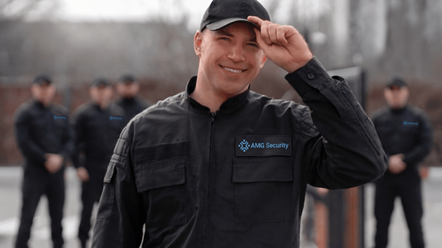

Public events hold a particular place in Australian community life. Council-run festivals, open-air markets, sporting carnivals, fireworks displays and cultural celebrations draw people of all ages, often with free entry and no fixed guest list to manage numbers. This openness is part of what makes public events so valuable, yet it also creates a genuinely different security challenge compared to ticketed or private functions.
Meeting that challenge relies heavily on the skill and judgement of trained guards, which is exactly why a properly resourced events security service plays such a central role in how these open, unpredictable gatherings stay safe.
The Unique Challenge of Open Access Events
Unlike a ticketed concert or a corporate function, public events rarely have a precise count of who is attending or when they will arrive. Crowds build gradually throughout the day, peak around key activities such as a headline performance or fireworks display, and disperse unevenly as families head home at different times, sometimes leaving well before dark and sometimes staying until the very last activity wraps up. This lack of a fixed structure means security guards need to rely more heavily on real-time observation and experience rather than a predetermined guest list or ticketing system.
Guards working these events typically position themselves at key vantage points, allowing them to monitor crowd density and behaviour across a wide area rather than focusing on a single controlled entry point as they might at a ticketed function, adjusting their positioning throughout the day as different parts of the site become busier.
Protecting Families and Vulnerable Attendees
Public events often attract a broad cross-section of the community, including young children, elderly attendees, and people with additional accessibility needs. Guards trained to work these environments understand the importance of a visible, approachable presence that reassures families rather than creating an atmosphere of tension. This often means adopting a friendlier, more community-focused tone compared to the approach used at a late-night function or a high-security corporate event.
Lost children are a particularly common issue at large public events, and guards are frequently the first point of contact when a parent realises a child has wandered off in a crowd. Having clear, well-rehearsed procedures for these situations, including a designated meeting point and calm, reassuring communication with an anxious parent, is a core part of how public event security genuinely protects attendees.
Managing Crowds Without a Ticketing System
Without ticket sales providing an early indication of expected numbers, security planning for public events relies more heavily on historical attendance data, weather forecasts and known factors such as school holidays or public holidays that might affect turnout. Experienced providers use this information to estimate likely crowd sizes and plan guard numbers accordingly, while remaining ready to adjust if attendance on the day exceeds expectations.
This flexibility is one of the more challenging aspects of public event security, since guards need to be prepared to manage crowd density that can shift considerably throughout a single day, particularly at events with a strong drawcard activity such as fireworks or a well-known performer.
Coordinating With Council and Local Authorities
Many public events in Australia are run in partnership with local councils, which often have specific requirements around security staffing, emergency access and crowd management plans as part of the event approval process. Councils generally expect organisers to source a properly licensed events security service in Australia rather than informal or unaccredited staffing, and a guard team experienced in working council-run events understands these requirements and can help organisers meet them without unnecessary delays or complications during the approval process.
This coordination often extends to working alongside council rangers, local police and emergency services on the day itself, ensuring a consistent approach to safety across all parties involved in running the event.
Handling Alcohol-Free and Family-Friendly Environments
Not every public event involves alcohol service, and many are specifically designed as family-friendly, alcohol-free environments. Guards working these events adjust their focus accordingly, spending less time monitoring alcohol-related behaviour and more time on general crowd safety, lost property, and supporting families navigating the event. This distinction matters, since the skills and priorities relevant to a licensed festival differ considerably from those needed at a daytime community fair.
Protecting Stallholders, Performers and Equipment
Public events often bring together a range of stallholders, food vendors, performers and community groups, each with their own equipment and setup to protect. Guards play a role in monitoring these areas throughout the day, helping prevent theft and providing a point of contact if a stallholder needs assistance with a difficult customer or an unexpected issue. This part of the role is often overlooked by attendees but matters considerably to the small businesses and community groups relying on the event for income or exposure.
Overnight security can also become relevant for multi-day markets or festivals where stallholders leave equipment or stock onsite between sessions. In these cases, guards provide a visible deterrent against theft and a reassuring presence for stallholders who might otherwise worry about returning to find their setup disturbed.
Communicating With a Diverse Community
Australian public events often draw a genuinely diverse crowd, including attendees from different cultural backgrounds, varying levels of English proficiency, and a wide age range from toddlers to grandparents. Guards working these events benefit from strong general communication skills, including the ability to explain a request clearly and patiently, use simple language where needed, and remain calm if a message is not immediately understood.
This kind of everyday communication matters more than it might first appear. A guard who can politely redirect an attendee away from a restricted area, or calmly explain why a particular item cannot be brought into an event, helps maintain a welcoming atmosphere rather than creating unnecessary friction with members of the public simply trying to enjoy the day.
Supporting First Aid and Volunteer Teams
Many community and council-run public events rely on a combination of professional security, first aid providers, and volunteer marshals working together to keep the event running smoothly. Guards often act as a stabilising presence within this mix, providing a clear point of escalation if a volunteer identifies a situation beyond their training, such as a medical concern or a person behaving erratically.
This kind of layered support structure works best when everyone involved understands their role clearly from the outset. A short briefing before the event begins, covering how volunteers, first aid staff and security guards should communicate with one another, helps ensure that concerns are passed along quickly rather than getting lost between different teams working the same event.
Weather and Outdoor Safety Considerations
As with any outdoor gathering, weather plays a significant role in how public events unfold. Sudden storms, extreme heat or strong wind can all affect attendee safety, and guards working these events are often the first to notice early signs of a weather-related issue, such as attendees showing symptoms of heat stress on a warm Australian afternoon. Coordinating quickly with event organisers and onsite medical support in these situations reflects the same level of readiness needed at any outdoor gathering, regardless of scale.
Final Thoughts
Public events depend on a particular blend of vigilance, approachability and adaptability from the guards responsible for keeping them safe, working without the structure a ticketed guest list would normally provide. From protecting families and managing crowd flow to coordinating with councils and supporting stallholders, the role extends well beyond simply watching for trouble. It requires guards who genuinely understand the rhythm of a community event and can adjust their approach as the day unfolds.
AMG Security brings this kind of experienced, community-minded approach to public events across Australia, helping ensure that open, welcoming gatherings remain safe for everyone who attends, from the first families arriving in the morning through to the last stallholders packing up at the end of the day.

