

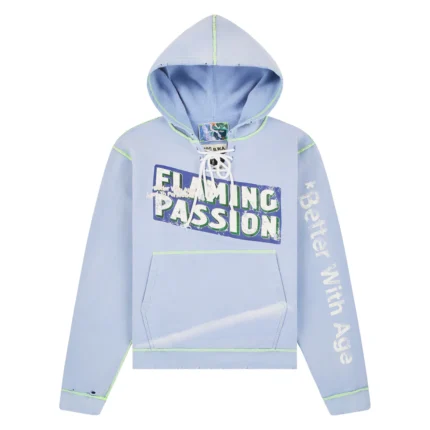

Denim is one of the most dependable materials in an everyday wardrobe, but even durable jeans and jackets benefit from proper storage. The way denim is folded, hung, aired, and organized can affect its shape, creasing, cleanliness, and overall condition over time. This becomes especially important when a wardrobe includes heavier jeans, reconstructed pieces, vintage-inspired garments, and jackets that are intended to develop character through regular wear. Proper storage does not mean treating denim like a fragile luxury item. Instead, it means creating simple habits that protect the fabric while allowing each piece to remain comfortable and ready to wear. For anyone who appreciates better with age style, taking care of denim can help preserve the qualities that make each garment distinctive.
Why Denim Storage Matters
Denim is a strong fabric, but strength does not make it immune to unnecessary stress. Constantly leaving jeans in a cramped drawer, hanging heavy garments from weak hangers, or storing slightly damp clothing can create avoidable problems. Excessive pressure can cause unwanted creasing, while poor airflow can allow odors to remain trapped in the fabric. Jackets can also lose their intended shape when they are stored on narrow or unsuitable hangers for long periods. Good storage gives denim enough room to maintain its natural structure while keeping it protected from unnecessary moisture, dust, and overcrowding. These small habits are particularly useful for garments that are worn repeatedly because regular rotation and proper storage can work together to extend their useful life.
Folding Jeans the Right Way
Folding is one of the simplest ways to store denim, especially when drawer or shelf space is limited. Start by making sure the jeans are clean and completely dry before folding them. Lay the pair flat, bring the legs together, and smooth out major wrinkles without aggressively pressing the fabric. Fold the jeans lengthwise and then fold them into a manageable shape that fits your storage space. Avoid creating extremely tight folds if the denim is heavyweight or has prominent construction details because unnecessary pressure can create hard creases. If you own several pairs of better with age jeans, storing them with enough space to breathe can make it easier to see each pair and rotate them regularly instead of repeatedly reaching for the same garment.
When Hanging Denim Makes More Sense
Hanging can be useful for denim jackets, overshirts, and some trousers, particularly when you want to preserve their shape and keep them easily accessible. Jackets should generally be placed on sturdy hangers that support the shoulders rather than thin wire hangers that can create unwanted pressure points. Heavy denim needs a hanger capable of supporting its weight without bending. Trousers can be folded over a suitable hanger or stored flat depending on the available space and the desired presentation. The main principle is simple: the storage method should support the garment instead of forcing it into an unnatural position. For structured denim jackets with distinctive seams, panels, or reconstructed details, proper support can help maintain the original silhouette.
Give Worn Denim Time to Air Out
After a full day of wear, denim may benefit from being aired out before it returns to a closet or drawer. This is particularly useful after warm weather, travel, or extended periods of activity. Instead of immediately placing worn jeans into a tightly packed drawer, allow them to hang or rest in an open area with good airflow. This gives moisture and everyday odors a chance to dissipate. Airing does not replace washing when a garment genuinely needs cleaning, but it can be a useful part of a regular clothing routine. The goal is to avoid unnecessary washing while also avoiding the habit of storing clothing while it is still damp or heavily affected by daily wear.
Avoid Storing Denim While It Is Damp
Moisture is one of the most important things to avoid when storing clothing. Denim that is put away before it has completely dried can develop unpleasant odors and may become more difficult to freshen later. After washing, allow jeans and jackets to dry fully before folding or hanging them in a closed wardrobe. The same principle applies after wearing denim in rain or particularly humid conditions. If a garment becomes noticeably wet, give it enough time to dry in a suitable ventilated area. This simple step can help protect both the fabric and the storage environment. Dry storage is especially important for heavier denim because thick fabric can retain moisture longer than lightweight clothing.
Protect Denim From Excessive Sunlight
Direct sunlight can gradually affect the color of many fabrics, including denim. While fading can be an attractive part of a well-worn pair of jeans, uncontrolled exposure can produce uneven results. If denim is stored for long periods near a bright window, one side may receive significantly more light than another. Keeping long-term storage away from direct sunlight can help maintain more consistent color. For vintage-inspired garments, natural-looking fading is often part of their character, but intentional wear and random environmental damage are different things. A good storage setup lets denim develop personality through normal use rather than unnecessary exposure.
Give Heavy Denim Enough Space
Heavy jeans and jackets need more room than lightweight T-shirts because their fabric occupies more physical space and carries more weight. Overcrowding a wardrobe can create deep folds, make garments difficult to access, and encourage you to repeatedly wear only the pieces sitting at the front. Try to organize heavier denim so that each item can be removed without disturbing everything around it. If you have several pairs of better with age jeans, consider arranging them by fit or frequency of use rather than simply stacking everything together. This makes your wardrobe easier to navigate and encourages more even rotation.
Store Different Denim Pieces According to Their Shape
Not every denim garment should be stored in exactly the same way. Jeans can usually be folded or hung, while jackets generally benefit from sturdy shoulder support. Denim shorts can be folded in a drawer or shelf, and lightweight denim shirts can be hung alongside other casual shirts. Reconstructed garments may require a little more attention because unusual panels, seams, patches, or fabric combinations can create areas that do not respond well to excessive compression. Instead of applying one universal storage rule, look at the construction of each garment. The more distinctive the shape or detailing, the more useful it can be to give the piece enough space to maintain its structure.
Separate Frequently Worn Pieces From Long-Term Storage
Your everyday denim does not need the same storage approach as garments that you wear only occasionally. Pieces in constant rotation should be easy to reach, while seasonal or rarely used items can be stored in a less accessible part of the wardrobe. This separation helps reduce unnecessary handling and makes daily dressing faster. Seasonal denim jackets, for example, can be moved to a dedicated section when warmer weather arrives. At the same time, lightweight denim shirts and shorts can be brought forward. Organizing clothing around actual usage is a practical way to make a wardrobe more functional without buying additional storage or garments.
Use Rotation to Reduce Repeated Wear
One pair of jeans can become a favorite very quickly, especially when it fits comfortably and works with most of your wardrobe. However, constantly wearing the same pair can place more stress on the fabric and construction than rotating several suitable options. A simple rotation allows each garment to rest between wears. This does not mean avoiding wear or trying to keep denim perfectly new. Denim is meant to be used, and its character often develops through everyday life. The purpose of rotation is simply to distribute regular wear across several pieces so that one garment does not carry the entire workload.
Storage and the Character of Vintage-Inspired Clothing
Vintage-inspired clothing often looks appealing because of its texture, fading, graphics, and construction details. Those qualities can make garments feel more individual than completely uniform basics. better with age clothing fits naturally into this approach because character does not always come from looking brand new. However, preserving character requires distinguishing between desirable wear and preventable damage. Natural fading from regular use can add personality, while prolonged dampness, poor storage, or excessive compression can cause problems that have little to do with authentic wear. Proper storage allows a garment to evolve naturally without unnecessary deterioration.
Keep Your Storage Area Clean
A clean storage environment is just as important as how the individual garments are folded or hung. Dust can accumulate on shelves, inside drawers, and around closet corners, eventually transferring onto clothing. Periodically cleaning the storage area helps keep denim fresh between wears. Avoid filling every available space simply because it exists. Leaving some room between garments improves accessibility and makes it easier to identify pieces that need cleaning, repair, or rotation. A well-organized wardrobe can also make it easier to notice small problems early, such as loose stitching, damaged hems, or missing buttons.
Inspect Denim Before Putting It Away
Storage is also a useful opportunity to check the condition of your clothing. Before putting away a favorite pair of jeans or jacket, take a moment to inspect the hems, pockets, seams, buttons, and other high-stress areas. Small issues are usually easier to address before they become larger problems. A loose thread or minor opening does not necessarily mean a garment needs to be replaced. In many cases, a simple repair can keep the piece in rotation while adding to its lived-in character. This practical mindset supports a more thoughtful relationship with clothing because garments are treated as useful objects rather than disposable seasonal products.
Creating a Simple Denim Storage System
You do not need an elaborate closet to store denim effectively. A practical system can be as simple as keeping frequently worn jeans folded or hung in an accessible section, placing jackets on sturdy hangers, separating seasonal pieces, and leaving enough space for airflow. Grouping garments by type or frequency of use can make the entire wardrobe easier to manage. If you have a mixture of straight, relaxed, and wide-leg denim, organizing them by fit can also help you choose the right pair quickly. The best storage system is the one you can maintain consistently rather than a complicated method that becomes inconvenient after a few weeks.
Final Thoughts
Proper denim storage is less about strict rules and more about developing useful habits. Keep denim dry, avoid excessive sunlight, provide enough space, support heavier garments properly, and rotate frequently worn pieces whenever possible. Folding jeans carefully and hanging jackets on sturdy hangers can help maintain their shape while making your wardrobe easier to navigate. Most importantly, remember that denim is designed to develop character through real life. With sensible care, better with age clothing can remain comfortable, functional, and distinctive while naturally reflecting the way it is worn. Good storage does not stop denim from changing; it simply helps ensure that those changes come from everyday use rather than preventable damage.
