

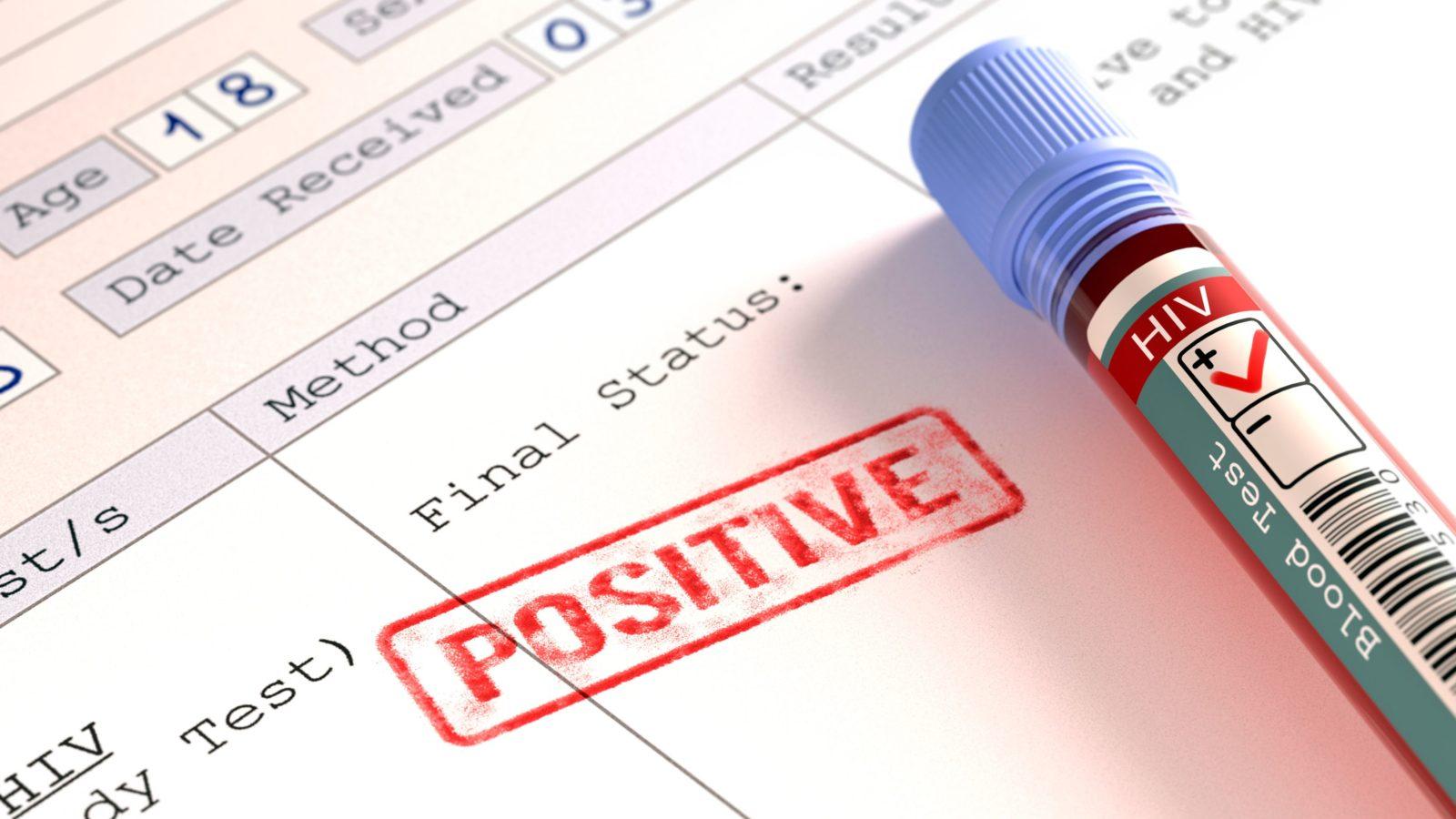

An HIV Blood Test is an important screening method that can help determine whether a person has been infected with HIV. Because HIV may not always cause noticeable symptoms in its early stages, testing can provide valuable information that cannot be obtained from symptoms alone. Understanding when testing may be needed, how the test works, and what results can mean can make the process easier and help people make informed healthcare decisions.
For people seeking convenient healthcare options, Blood Test In Dubai services may provide access to professional laboratory testing and medical guidance. Depending on the healthcare provider, testing may be available through clinics, laboratories, or other healthcare settings. Before testing, it is useful to ask about the type of HIV test being performed, the expected timing of results, and whether follow-up testing may be necessary.
Why Is an HIV Blood Test Important?
HIV affects the immune system and can remain unnoticed for a long time. Some people experience symptoms similar to other common illnesses, while others may have no obvious symptoms at all. This makes testing particularly important when someone has had a possible exposure.
An HIV Blood Test can identify evidence of HIV infection through a laboratory analysis of a blood sample. Knowing your status can help you and your healthcare provider decide what steps may be appropriate for your health.
Early diagnosis is also important because effective HIV treatment can help control the virus and protect the immune system. Medical professionals can provide personalized guidance based on the individual's test results and circumstances.
How Does HIV Testing Work?
There are different types of HIV tests, and each works slightly differently. Some tests look for antibodies that the immune system produces in response to HIV. Other modern tests can detect both HIV antibodies and a viral component called p24 antigen.
A healthcare provider may recommend a particular test depending on factors such as how long ago a possible exposure occurred. Laboratory-based testing is commonly used because it can provide detailed analysis of a blood sample.
The testing process itself is generally straightforward. A healthcare professional collects a blood sample using standard procedures and sends or processes the sample for analysis.
Understanding the HIV Testing Window Period
The timing of an HIV Blood Test is an important consideration. After HIV exposure, the infection may not be detectable immediately. The period between potential exposure and when a test can reliably detect HIV is commonly referred to as the window period.
Different tests have different detection windows. A test taken too soon after exposure may not detect an infection even if infection has occurred.
For this reason, anyone concerned about a recent exposure should discuss the timing with a healthcare professional. Depending on the circumstances and test used, repeat testing may sometimes be recommended.
What Does a Negative HIV Test Result Mean?
A negative HIV test result generally means that the test did not detect evidence of HIV infection at the time of testing. However, the timing of the test is important.
If testing was performed after an appropriate window period, a negative result can provide stronger evidence that HIV was not detected. If the test was performed very soon after a possible exposure, additional testing may be recommended.
It is always best to discuss the result with a healthcare professional if there is uncertainty about the timing or possible exposure.
What Does a Positive HIV Screening Result Mean?
A positive screening result requires careful interpretation. Depending on the specific test, a preliminary positive result may need additional testing to confirm whether HIV infection is present.
It is important not to assume that a screening result alone automatically represents a confirmed diagnosis. Healthcare professionals can explain the result and arrange appropriate confirmatory testing when necessary.
If HIV infection is confirmed, medical professionals can discuss treatment and ongoing healthcare. Modern HIV medicines can significantly reduce the amount of virus in the body and help people maintain their health.
Can HIV Testing Be Done Without Symptoms?
Yes. An HIV Blood Test can be performed even when a person feels completely healthy. In fact, relying on symptoms is not an effective way to determine HIV status.
Some people may develop symptoms shortly after infection, while others may have no noticeable symptoms for years. Symptoms can also resemble those associated with many other health conditions.
Testing is therefore a more reliable way to obtain information about HIV status than trying to identify the infection based on physical symptoms.
When Should You Consider HIV Screening?
People may consider HIV testing after a possible exposure, as part of routine sexual health screening, or when recommended by a healthcare professional.
Testing may also be appropriate for individuals who have had unprotected sexual contact or shared equipment that could expose them to infected blood. People with ongoing exposure risks may benefit from discussing regular screening with a healthcare professional.
If you are unsure whether testing is appropriate, a medical provider can help you understand the circumstances and recommend a suitable testing schedule.
Maintaining Privacy During HIV Testing
Privacy is an important consideration when arranging an HIV Blood Test. HIV testing involves sensitive health information, so people often want to know how their information and results will be handled.
Professional healthcare providers should follow applicable privacy and confidentiality requirements when managing patient information. Before testing, you can ask the provider about their procedures for handling samples, reports, and personal medical information.
Knowing what to expect can make the testing experience more comfortable and help reduce unnecessary concerns.
What Should You Do After Testing?
After receiving your results, take time to understand what they mean. A healthcare professional can explain whether the result is considered conclusive based on the test type and timing.
If additional testing is recommended, completing the follow-up can be important. If HIV is confirmed, seeking appropriate medical care promptly allows healthcare professionals to discuss available treatment and monitoring.
If the result is negative but a recent exposure occurred, ask whether another test may be needed after the relevant window period.
Making HIV Testing Part of Responsible Healthcare
An HIV Blood Test provides important information that can support better health decisions. Understanding the different types of tests, the window period, and the meaning of screening results can help people approach testing with greater confidence.
Whether testing is being considered because of a recent concern or as part of routine health screening, professional medical guidance can help ensure that the right test is performed at an appropriate time. Regular awareness, responsible screening, and timely healthcare support can all contribute to better personal health management.
