

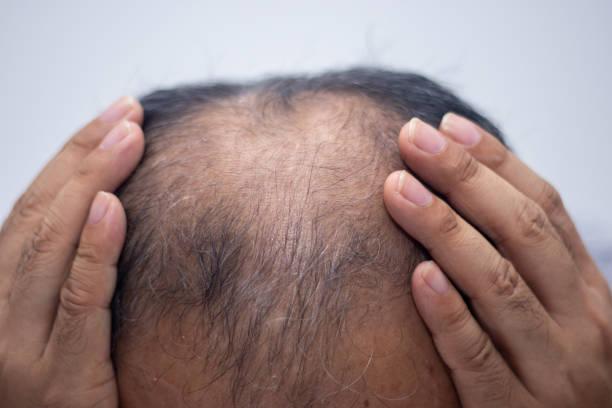
The hairline plays an important role in the overall appearance of the face, but it can gradually become thinner or less defined. Receding temples, finer strands, and increased visibility around the front of the scalp may develop for several reasons. Genetics, aging, hormonal changes, stress, and certain scalp concerns can influence hair density. Understanding these factors is an important first step when exploring Hair loss treatment in Riyadh for a healthier-looking hairline.
Common Causes of Hairline Thinning
Hairline changes can develop gradually, particularly when genetic factors influence the natural hair-growth cycle. Hormonal changes, stress, nutritional concerns, and certain health conditions may also affect hair growth. Identifying the underlying cause can help determine which treatment approach may be appropriate.
Genetic Factors
Inherited hair-loss patterns can affect the temples and front of the scalp. Individual hairs may gradually become finer, making the hairline appear less dense.
Lifestyle and Health Factors
Stress, nutritional deficiencies, hormonal fluctuations, and some medications may influence the hair-growth cycle and contribute to increased shedding or thinning.
Recognizing an Unhealthy-Looking Hairline
Early changes may include a widening appearance around the temples, finer hairs along the front, or reduced density when styling the hair. Monitoring these changes can help identify whether the hairline is remaining stable or gradually becoming thinner.
Why Professional Assessment Matters
Hairline thinning can have different causes, so treatment should be based on an individual evaluation. A specialist can assess the hairline, scalp condition, and progression of thinning while reviewing relevant hair and health history. This can help determine whether Hair loss treatment in Riyadh is suitable and which options may support your specific needs.
Treatment Options for Supporting the Hairline
Treatment depends on the cause, degree of thinning, and condition of the hair follicles. Depending on the assessment, options may include non-surgical treatments, topical approaches, regenerative procedures, or hair restoration techniques.
Non-Surgical Approaches
Non-surgical treatments may focus on supporting existing follicles and improving the appearance of areas with reduced density. The appropriate option depends on the individual's hair and scalp condition.
Regenerative Treatments
Some modern procedures are designed to support the scalp environment and natural hair-growth processes. Their suitability varies according to the cause and extent of hair loss.
Hair Restoration Procedures
For more established hairline loss, hair restoration procedures may be considered for suitable candidates. Professional assessment can help determine whether this approach is appropriate.
What to Expect During a Consultation
A consultation generally includes questions about when the hairline started changing and whether the thinning has progressed. The specialist may examine hair density and scalp condition before discussing potential causes and treatment options. This creates a more personalized approach to managing hairline concerns.
Supporting Hairline Health at Home
Daily habits can complement professional care. Gentle brushing, appropriate scalp cleansing, balanced nutrition, and avoiding excessive heat or tight hairstyles may help maintain overall hair health. Following recommended care instructions consistently can also support the treatment process.
Setting Realistic Expectations
Hairline improvement varies between individuals. The underlying cause, follicle condition, treatment method, and individual response can all influence outcomes. Discussing expected results with a professional can help establish realistic expectations and provide a clearer understanding of the treatment process.
Why Personalized Treatment Is Important
A healthier-looking hairline may require a different approach depending on the pattern and cause of thinning. Personalized care considers hair density, scalp health, progression, and individual goals. This helps ensure that treatment recommendations are focused on the specific hairline concern.
Book an Appointment for Hair Loss Treatment
If you are noticing a thinning or receding hairline, professional evaluation can help identify the possible cause and suitable treatment options. At Royal Clinic Saudi, specialists can assess your hair and scalp concerns and provide personalized guidance based on your individual needs.
FAQs:
What can cause a thinning hairline?
Genetics, aging, hormones, stress, nutrition, and certain health factors can contribute.
Can a thinning hairline be treated without surgery?
Yes, some cases may be managed with suitable non-surgical options.
How can I support my hairline at home?
Use gentle hair-care practices, avoid excessive heat, and follow professional recommendations.
When should I have my hairline assessed?
Consider an assessment when thinning becomes persistent, progressive, or noticeably visible.
