

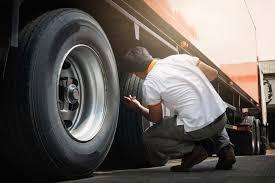

Compliance is not just a matter of the regulatory rules; it is essential for fleet managers and owner operators to keep trucks on the road and keep freight moving. The consequences of a failure in inspection can be expensive fines, vehicle downtime, delayed deliveries, and frustrated customers. The larger the fleet, the more difficult it is to keep up with compliance, as there are more vehicles, drivers, records, and maintenance schedules to keep track of. That's why many successful operators invest in proactive compliance strategies and regular truck DOT inspection programs to minimize risk and keep operations running smoothly.
Many operators do not even consider compliance until inspection season or when they are subject to a roadside inspection. But the benefits of good compliance practices go well beyond the avoidance of compliance failures.
A good compliance program can assist fleets with:
-
Reduce unexpected downtime
-
Improve vehicle reliability
-
Protect customer relationships
-
Support driver safety
-
Lower repair costs
-
Improve operational efficiency
Make Pre-Trip and Post-Trip Inspections Non-Negotiable
Pre-trip and post-trip inspections provide an effective means to detect problems that may become safety issues or inspection failures.
Regularly check:
-
Tires
-
Brakes
-
Lights
-
Mirrors
-
Windshield wipers
-
Air lines
-
Coupling systems
-
Trailer components
A broken light or faulty air hose can be a minor problem, but it could easily turn into an infringement during the roadside check.
When drivers report issues right away, maintenance crews can work to solve issues before they cause expensive disruptions.
Develop a Strong Preventive Maintenance Program
One of the most effective ways to improve inspection outcomes is through preventive maintenance.
Waiting until equipment fails often leads to violations, breakdowns, and expensive repairs.
A preventive maintenance schedule should include:
Brake Inspections
Brake violations remain one of the most common issues discovered during inspections. Routine inspections help identify wear before it becomes a safety concern.
Tire Monitoring
Proper tire condition supports safety while helping fleets avoid violations related to tread depth, inflation, and visible damage.
Steering and Suspension Checks
Worn steering and suspension components can affect vehicle control and increase the likelihood of inspection findings.
Fluid Leak Inspections
Visible leaks often attract attention during inspections and may indicate larger maintenance concerns.
Regular maintenance helps fleets stay prepared for inspections while reducing the likelihood of unexpected downtime.
Keep Maintenance Records Organized
Problems with compliance can still arise if trucks are in good mechanical condition, but they aren't properly documented.
The key elements for fleet operators to be able to keep accurate records include:
-
Maintenance history
-
Repair records
-
Annual inspections
-
Driver Vehicle Inspection Reports (DVIRs)
-
Service schedules
As fleets expand, digital record-keeping systems can help simplify compliance management.
Organized records provide fleet managers the ability to retrieve information easily when needed and prove that vehicles are properly maintained.
Train Drivers on Inspection Readiness
A lot of violations are related to the fact that drivers don't know what inspectors are looking for.
There should be training provided for drivers on:
-
Inspection procedures
-
Required documentation
-
Common violation categories
-
Reporting requirements
-
Roadside inspection expectations
By knowing what inspectors are looking for, drivers can be more likely to spot and report issues that can become violations.
Refresher training throughout the year helps reinforce good habits and maintain consistency across the fleet.
Conduct Internal Compliance Audits
Internal audits enable fleet managers to assess the performance of their operations and rectify the problems before they impact the compliance rating.
There are areas to review:
-
Vehicle condition
-
Driver qualification files
-
Hours-of-service records
-
Maintenance schedules
-
Inspection reports
-
Safety documentation
Identifying problems before they are found in an official inspection is usually more cost-effective than having to rectify problems after their detection.
Monitor Common Violation Trends
Fleet managers should regularly review inspection reports and maintenance data to identify recurring issues.
Common areas that often generate violations include:
-
Brake systems
-
Lighting systems
-
Tire conditions
-
Driver documentation
-
Hours-of-service compliance
Tracking trends helps fleets understand where improvements are needed.
For example, repeated lighting violations may indicate inspection procedures need strengthening, while recurring brake issues may suggest maintenance schedules need adjustment.
Using data to guide decisions helps improve both safety and compliance performance.
Standardize Maintenance Procedures Across the Fleet
As fleets grow, inconsistency often becomes a challenge.
Different locations, technicians, and schedules can create gaps in maintenance quality.
Standardized procedures help ensure every vehicle receives the same level of attention.
This may include:
-
Inspection checklists
-
Maintenance intervals
-
Documentation requirements
-
Repair approval processes
-
Driver reporting procedures
Consistency helps reduce oversights and improves fleet-wide compliance performance.
Encourage Fast Reporting of Mechanical Problems
Small issues often become major violations when they go unreported.
Drivers should feel comfortable reporting concerns such as:
-
Warning lights
-
Brake performance issues
-
Tire damage
-
Fluid leaks
-
Steering concerns
-
Electrical problems
Addressing these concerns early helps prevent larger repairs and inspection failures.
Many experienced fleet managers view driver communication as one of the most valuable tools in their compliance strategy.
Partner With Experienced Compliance and Maintenance Providers
Many fleet operators rely on professional support to strengthen their compliance efforts.
Companies like Epika Fleet help fleets stay inspection-ready through maintenance, repair, and compliance-focused services. Their experienced technicians can identify potential issues before they result in violations or costly downtime.
Having access to knowledgeable maintenance professionals helps fleet managers stay ahead of common compliance challenges while keeping vehicles operating safely.
Many operators also use the support of Epika Fleet when preparing for scheduled inspections or addressing recurring maintenance concerns that could affect inspection results.
Final Thoughts
Successful inspections rarely happen by accident. They are usually the result of consistent maintenance, organized record keeping, driver accountability, and strong compliance practices. Fleets that prioritize these areas are better positioned to avoid violations, reduce downtime, and maintain reliable operations.
Whether managing a handful of trucks or a large commercial fleet, investing in regular truck DOT inspection programs and proactive compliance efforts can help protect revenue and improve operational efficiency. By partnering with experienced providers such as Epika Fleet, maintaining accurate records, and scheduling routine truck DOT inspection services, fleet operators can stay prepared for inspections while keeping trucks moving safely and productively.
