

Restore and Protect Your Chimney: The Smart Approach to Masonry Repair and Sealing

A chimney is an important part of many homes, providing a safe pathway for smoke and combustion gases while adding character to the exterior. However, because chimneys are exposed above the roofline, they experience constant contact with rain, wind, temperature changes, and seasonal weather. Over time, these conditions can affect bricks, mortar joints, crowns, caps, and other components.
Regular maintenance can help prevent minor defects from becoming major problems. Two important aspects of chimney care are masonry repair and appropriate moisture protection. When the masonry is in good condition, a properly selected Chimney sealer may provide additional protection against water absorption and weather-related deterioration.
Why Chimney Masonry Deteriorates
Brick and mortar are durable building materials, but they are not completely resistant to moisture. Masonry contains small pores that can absorb water when exposed to rainfall.
As moisture repeatedly enters and leaves the material, the masonry can experience stress. Temperature fluctuations can make this process more challenging, particularly when water becomes trapped within cracks or damaged areas.
Over time, homeowners may notice crumbling mortar, cracked bricks, discoloration, loose masonry, or white mineral deposits on the chimney surface.
These signs should not automatically be ignored simply because the chimney remains functional. Visible deterioration can indicate that the structure needs closer evaluation.
The Importance of Timely Masonry Repair
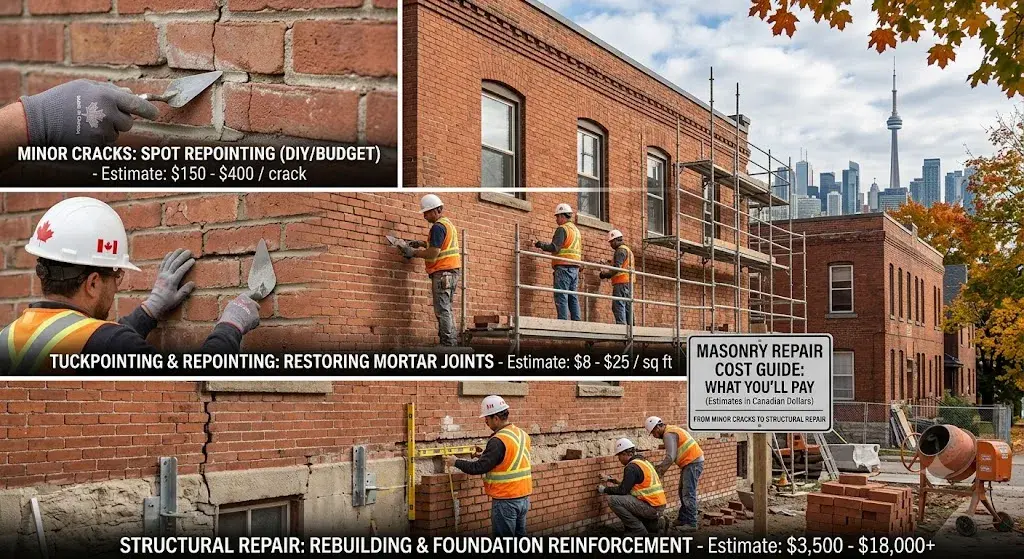
Masonry repair is an important part of maintaining an aging chimney. Repair methods depend on the type and severity of damage.
For example, deteriorated mortar joints may require repointing, while individual cracked or damaged bricks may need replacement. More extensive deterioration could require rebuilding a specific section of the chimney.
The goal is not simply to make the chimney look better. Proper repairs can help restore damaged areas and reduce pathways through which water can enter the masonry.
Addressing smaller defects early may also help prevent them from spreading to surrounding areas.
What Is a Chimney Sealer?
A Chimney sealer is a product designed to help reduce water absorption in suitable masonry surfaces. Masonry-specific sealers are generally selected based on the construction material and the way the chimney handles moisture.
A quality sealer should be appropriate for the masonry and applied according to the manufacturer's instructions. The objective is to improve resistance to rain and moisture without creating unnecessary problems for the structure.
Choosing the right product matters because masonry needs to manage moisture appropriately. A coating that traps moisture inside the material may not be suitable for every chimney.
Sealing Should Come After Necessary Repairs
One of the most important principles of chimney maintenance is understanding that sealing does not replace masonry repair.
If bricks are cracked, mortar joints are deteriorating, or sections of the chimney have become unstable, those issues should be evaluated and repaired before applying a protective product.
Applying a Chimney sealer over severely damaged masonry will not restore broken bricks or rebuild deteriorated mortar. It may simply cover the surface while the underlying issue continues.
A better approach is to inspect the chimney, identify defects, complete necessary repairs, and then determine whether sealing is appropriate.
Common Signs Your Chimney Needs Attention
Homeowners can periodically look at the visible portions of their chimney for warning signs. These may include:
- Cracked or broken bricks
- Crumbling mortar
- Loose masonry
- White staining on brick surfaces
- Dark or damp-looking areas
- Cracks around the chimney crown
- Damaged chimney caps
- Water stains inside the home
- Deterioration around flashing
Some signs may be caused by moisture, while others can result from age, weather exposure, or structural movement.
If several warning signs are present, a professional evaluation can help determine what type of masonry repair is appropriate.
How Moisture Gets Into a Chimney
Moisture can enter a chimney from multiple locations. Cracked masonry is one possibility, but it is not the only one.
Water may also enter through damaged flashing where the chimney meets the roof. A deteriorated crown can allow rainfall to reach the upper masonry, while gaps around the chimney cap can create additional exposure.
This means that sealing the exterior walls alone may not resolve a persistent leak.
A comprehensive inspection should consider the chimney as a complete system. Identifying the actual entry point is important before choosing a repair or waterproofing solution.
Preparing Masonry Before Sealing
Proper preparation can influence how effectively a Chimney sealer performs. The masonry should generally be clean, sound, and sufficiently dry before application.
Loose material, dirt, biological growth, and old coatings may interfere with proper application. Any necessary masonry repair should also be completed beforehand.
Application should take place under suitable weather conditions and according to the product manufacturer's recommendations. Using excessive product or applying it to unsuitable surfaces may affect the performance of the masonry.
For this reason, professional application can be valuable when homeowners are unsure about the condition of the chimney or the appropriate sealing method.
Regular Maintenance Helps Prevent Larger Problems
Chimney maintenance should not be limited to emergency repairs. Regular visual checks and professional inspections can help identify deterioration before it becomes extensive.
Homeowners should pay attention to changes in the masonry after heavy rain, storms, or periods of significant temperature variation. New cracks, loose bricks, or water stains deserve attention.
Combining preventative maintenance with timely masonry repair can help keep the chimney in better condition. Once the structure has been properly repaired, an appropriate Chimney sealer may offer additional protection against water absorption.
Protect Your Chimney for the Future
A chimney can last for many years when its masonry and protective components receive appropriate care. Weather exposure is unavoidable, but homeowners can take steps to manage its effects.
Professional masonry repair can address cracked bricks, deteriorated mortar, and other masonry problems before they become more extensive. Once repairs are complete, a suitable Chimney sealer can help reduce water absorption and provide another layer of protection where appropriate.
The key is to treat sealing as part of a complete maintenance strategy rather than a quick solution for existing damage. With regular inspections, prompt repairs, and appropriate moisture protection, homeowners can help preserve their chimney's appearance, durability, and performance through years of changing weather.
