

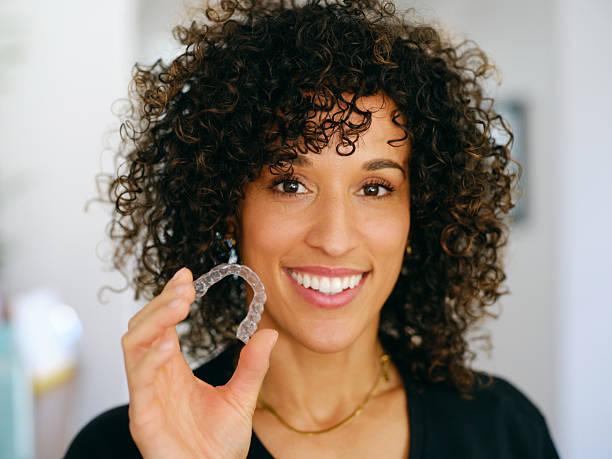

Teeth Retainers in Dubai are commonly recommended after braces or clear aligner treatment to help maintain the position of the teeth. Once orthodontic appliances have corrected tooth alignment, the surrounding tissues continue to adapt, and teeth can naturally move over time. A retainer provides support during this stage and may remain an important part of long-term oral care. Understanding when retainers are needed can help patients follow their dental plan more effectively.
When Are Teeth Retainers Usually Needed?
Retainers are most commonly needed after active orthodontic treatment has been completed. Braces and clear aligners move teeth into new positions, but maintaining those positions requires a separate retention phase.
A dentist or orthodontist may recommend a retainer once braces are removed or when a patient finishes an aligner program. The type of retainer and wearing schedule depend on the patient's individual treatment history.
Retention is not necessarily limited to the first few months after orthodontic treatment. Teeth can shift throughout life, so some patients may be advised to continue wearing their retainers on a long-term basis.
Why Can Teeth Move After Braces?
Teeth are supported by bone, ligaments, and surrounding soft tissues. After orthodontic movement, these structures need time to adjust to the new tooth positions.
Natural aging, changes in the supporting tissues, biting forces, and everyday oral habits can also contribute to gradual tooth movement. This is why teeth may shift even years after braces have been removed.
Retainers help provide stability and reduce the likelihood of unwanted movement. However, they work best when patients follow the wearing instructions provided by their dental professional.
Dental Clinic: Assessing Your Retainer Needs
A professional Dental Clinic can assess whether a patient needs a retainer and determine whether an existing appliance continues to fit correctly. During an examination, the dental team can evaluate tooth alignment, the condition of the retainer, and overall oral health.
Patients who have stopped wearing their retainer or notice that it feels unusually tight can also seek professional advice. The dentist can determine whether the appliance remains suitable or whether the teeth require additional assessment.
Do You Need a Retainer After Clear Aligners?
Clear aligner treatment also moves teeth, so retention is generally an important part of the process after the active aligner phase ends.
Patients may receive a removable clear retainer that resembles an aligner. Although it may look similar to an orthodontic aligner, its purpose is primarily to maintain the corrected tooth positions rather than actively move the teeth.
The wearing schedule can vary. Patients should follow the instructions provided by their dental professional rather than assuming that all clear aligner patients have the same retention plan.
Are Retainers Needed After Minor Tooth Movement?
Even when orthodontic correction involves relatively small movements, a retainer may still be recommended. Teeth can shift after minor alignment changes just as they can after more extensive orthodontic care.
The need for retention depends on factors such as the original position of the teeth, the type of movement performed, the patient's dental history, and the professional's assessment.
Skipping retention simply because the orthodontic correction was minor may allow teeth to gradually move back toward their previous positions.
What Happens If You Stop Wearing Your Retainer?
Stopping retainer use can allow teeth to gradually shift. The speed and extent of movement vary from one person to another.
A common sign of movement is a retainer that feels tighter than usual. If the appliance no longer fits comfortably, patients should not force it onto the teeth. Professional assessment can help determine whether the retainer can still be used safely.
If substantial movement has occurred, a replacement retainer or further orthodontic evaluation may be necessary.
How Long Do You Need to Wear a Retainer?
There is no universal retention schedule. Some patients may initially wear their retainer more frequently before moving to nighttime use. Others may have different instructions based on their orthodontic history.
Long-term retention is often discussed because teeth can continue to change position over time. Following a personalized schedule is therefore more useful than relying on general advice.
Patients should also attend recommended follow-up appointments so their dental professional can monitor the stability of their teeth.
How Should You Care for a Retainer?
Removable retainers should be cleaned regularly according to professional instructions. Patients should avoid exposing plastic retainers to very hot water because heat can affect their shape.
When not in use, the appliance should be stored in a protective case. Keeping it away from pets, children, and places where it can easily be misplaced can reduce the risk of damage or loss.
Fixed retainers require careful cleaning around the bonded wire. Good brushing and interdental cleaning can help reduce plaque buildup around these areas.
Final Thoughts
Teeth Retainers are generally needed after orthodontic care to help maintain corrected tooth positions and reduce unwanted movement. Wearing the appliance as recommended, keeping it clean, and attending regular dental appointments can support stable alignment over time. If a retainer becomes tight, damaged, or uncomfortable, professional guidance can help determine the appropriate next step.
