


Why Two-Wheelers Are Reshaping Mobility Across Latin America
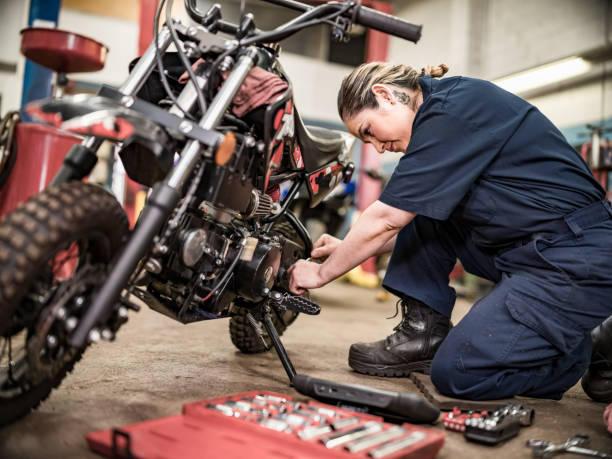
Urban transportation across Latin America is undergoing a significant transformation as commuters seek practical, affordable, and time-efficient mobility solutions. Rapid urbanization, increasing traffic congestion, and the expansion of delivery-based businesses have strengthened the role of motorcycles and scooters in everyday transportation. Two-wheelers are no longer viewed solely as economical vehicles; they have become an essential part of personal mobility and commercial logistics throughout the region.
Recent industry analysis also highlights how investments in manufacturing, changing consumer preferences, and fleet expansion are contributing to long-term demand. A detailed study on regional mobility trends and vehicle adoption published by MarkNtel Advisors indicates that the Latin America Two-Wheeler Market is projected to grow from USD 6.19 billion in 2025 to USD 13.29 billion by 2032, registering a CAGR of 11.53% during the forecast period of 2026–2032. The report also identifies motorcycles as the leading vehicle category.
The evolving transportation landscape reflects a combination of economic, demographic, and technological factors. Growing urban populations continue to place pressure on public transportation networks, while businesses increasingly rely on motorcycles for last-mile deliveries. As a result, two-wheelers have become an attractive option for individuals seeking flexible and cost-effective travel while enabling businesses to improve operational efficiency.
Urban Congestion Continues to Influence Buying Decisions
Traffic congestion remains one of the strongest factors encouraging motorcycle ownership across Latin America. In many metropolitan areas, long commuting times have prompted residents to adopt vehicles capable of navigating crowded roads more efficiently than conventional passenger cars. This shift is especially noticeable in cities where public transport infrastructure struggles to keep pace with expanding urban populations.
The continued movement toward compact transportation solutions is expected to remain an important growth driver as governments and city planners focus on improving urban mobility while consumers prioritize convenience and lower operating costs.
Commercial Deliveries Are Driving Fleet Expansion
E-commerce platforms, food delivery applications, and courier services have significantly increased demand for dependable two-wheelers. Delivery operators require vehicles that offer fuel efficiency, lower maintenance costs, and the ability to travel through congested city streets with minimal delays.
Small businesses and independent delivery professionals are also contributing to rising motorcycle demand. As digital commerce continues expanding across Brazil, Mexico, Colombia, and several neighboring countries, commercial fleets are expected to remain a major source of vehicle purchases.
Manufacturing Investments Strengthen Regional Production
Several global and regional manufacturers continue investing in production facilities throughout Latin America to meet growing consumer demand. Expanding manufacturing capacity helps improve supply chain resilience, supports local employment, and reduces dependence on imported finished vehicles.
Brazil continues to serve as the region's largest manufacturing hub, while additional investments from international manufacturers demonstrate confidence in long-term market opportunities. These developments are helping create a stronger production ecosystem capable of supporting increasing domestic demand and future exports.
Electric Two-Wheelers Begin Building Momentum
Although gasoline-powered motorcycles currently dominate vehicle sales, electric two-wheelers are gradually attracting attention in major metropolitan areas. Rising environmental awareness, increasing fuel costs, and government initiatives supporting cleaner transportation are encouraging manufacturers to introduce electric models into their product portfolios.
However, widespread adoption still depends on several factors, including charging infrastructure availability, battery affordability, and consumer confidence in electric mobility. As these supporting ecosystems continue developing, electric motorcycles and scooters are expected to occupy a larger share of the regional transportation landscape over time.
Challenges That Could Influence Future Growth
Despite positive long-term prospects, manufacturers continue facing challenges associated with imported components, exchange-rate fluctuations, logistics costs, and supply chain disruptions. Heavy reliance on imported parts can increase production expenses and ultimately affect vehicle affordability for consumers.
Developing stronger local supplier networks, expanding component manufacturing, and improving logistics infrastructure could help manufacturers reduce operational risks while improving long-term competitiveness across Latin America.
Looking Ahead
The future of two-wheelers in Latin America extends well beyond affordable transportation. Rising urbanization, expanding commercial delivery networks, continued manufacturing investments, and gradual electrification are collectively reshaping the region's mobility ecosystem. While infrastructure improvements and supply chain resilience remain important priorities, the sector appears well positioned to support evolving transportation needs across both consumers and businesses. As mobility patterns continue changing, two-wheelers are expected to remain a central component of Latin America's transportation future.

 Bangla