Smooth skin is often associated with a healthy, refreshed, and well-maintained appearance. However, dead skin cell buildup, acne, sun exposure, dehydration, enlarged pores, and uneven skin renewal can make the surface feel rough or look irregular. While a consistent skincare routine supports skin health, some individuals may need professional treatments to address persistent texture concerns.
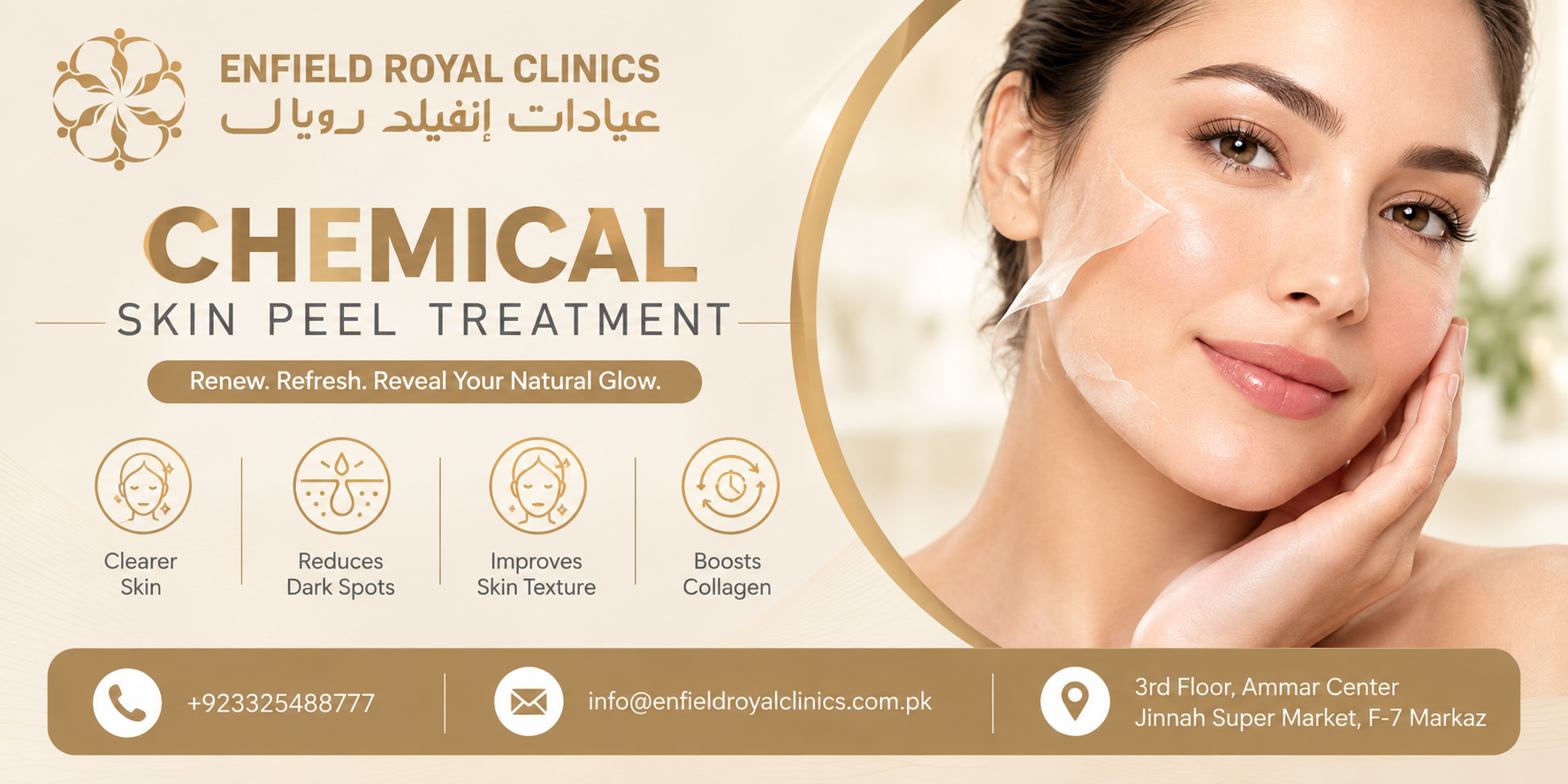
Chemical peel treatment in Islamabad is a professional skincare option that may help improve uneven texture through controlled exfoliation. The procedure uses a selected chemical solution to remove specific layers of damaged or dead skin cells. As the skin recovers, the surface may appear smoother, brighter, and more even.
Chemical peels are available in different strengths and formulations. The most suitable option depends on the patient’s skin type, sensitivity, treatment goals, and existing skin concerns. Although the procedure can improve certain surface irregularities, it does not guarantee perfect skin or remove every type of scar. A professional assessment is essential for safe and realistic treatment planning.
How Does Chemical Peel Treatment Improve Skin Texture?
Skin texture can become uneven when dead skin cells accumulate on the surface or when acne, sun exposure, and ageing affect normal skin renewal. These changes may create rough patches, small bumps, dullness, and uneven areas.
Chemical peel treatment supports controlled exfoliation by using ingredients that loosen and remove selected surface skin cells. This process may help reveal newer skin underneath and create a smoother appearance.
The depth of exfoliation depends on the type of peel. Mild peels generally work closer to the surface and may be considered for dullness, mild congestion, and uneven texture. Medium or deeper peels affect more layers of skin and require more careful planning and recovery.
A stronger peel is not always the most suitable choice. Excessive exfoliation can damage the skin barrier and lead to redness, dryness, or sensitivity. The professional should select a treatment strength that matches the patient’s needs.
What Skin Concerns Can Chemical Peels Help Smooth?
Chemical peels may improve several surface-level concerns that affect the appearance and feel of the skin. However, the results depend on the cause and severity of the problem.
Rough and Dull Skin
Dead skin cell buildup may make the complexion look tired and uneven. A suitable chemical peel can help remove selected surface buildup and support a fresher appearance.
Mild Acne-Related Texture
Blocked pores and mild acne can contribute to small bumps and uneven skin texture. Certain peels may help improve congestion when used as part of an appropriate skincare plan.
Superficial Acne Marks
Some acne marks may become less noticeable after carefully selected exfoliation. However, deeper scars often require different treatment options because they involve changes beneath the skin’s surface.
Uneven Skin Surface
Sun exposure, dryness, and irregular skin renewal may contribute to uneven texture. Chemical exfoliation may help improve the appearance of superficial irregularities over time.
A professional should determine whether a chemical peel is appropriate for the concern. Persistent or severe skin conditions may require medical evaluation and a more comprehensive approach.
How Does Exfoliation Support Smoother-Looking Skin?
Exfoliation helps remove dead skin cells from the outer layer of the skin. The skin naturally sheds these cells, but the process may become uneven due to environmental exposure, age, dryness, and certain skin conditions.
Chemical exfoliation uses acids or other active ingredients to loosen connections between surface cells. This allows selected cells to shed in a controlled manner. As the skin renews itself, the surface may feel softer and look more refined.
The benefits of exfoliation depend on maintaining the skin’s protective barrier. Over-exfoliation may produce the opposite effect by causing irritation, tightness, flaking, and increased sensitivity.
For this reason, patients should not combine professional chemical peels with multiple strong exfoliating products unless specifically advised. The treatment schedule should allow enough time for recovery between sessions.
Individuals with sensitive skin may require a gentler peel and a carefully adjusted skincare routine. Proper hydration and moisturising can also help support the skin barrier during recovery.
Can Chemical Peel Treatment Improve Acne Scars and Fine Lines?
Chemical peel treatment may help improve the appearance of some superficial acne marks and fine surface lines. However, its effectiveness depends on the depth of the concern and the type of peel used.
Superficial acne marks may respond to selected exfoliating treatments because the procedure encourages the shedding of affected outer skin cells. In contrast, deep acne scars may involve structural changes in the skin that cannot be corrected through surface exfoliation alone.
Some chemical peels may also soften the appearance of fine surface lines by improving texture and encouraging skin renewal. They cannot stop natural ageing or guarantee the removal of wrinkles.
Individuals with deeper scars or more advanced skin concerns may benefit from a personalised treatment plan involving other procedures. A professional should explain the expected benefits, limitations, and possible alternatives before treatment begins.
Patients should also understand that improvement may be gradual. Multiple sessions may be recommended, depending on the skin’s response and the treatment objective.
How Is Chemical Peel Treatment Planned for Different Skin Types?
Skin type and sensitivity strongly influence the selection of a chemical peel. A formula that works well for oily skin may not be appropriate for dry or reactive skin.
Before Chemical peel treatment in Islamabad, a professional may assess the following factors:
Skin type and sensitivity
Main texture-related concerns
Acne activity and pigmentation
Skin tone and pigmentation risk
Current skincare products
Previous reactions to chemical treatments
Recent cosmetic procedures
Recovery expectations
Oily skin may require a peel selected for congestion and excess oil, while dry skin may need additional hydration and a gentler treatment. Sensitive skin requires particular caution because irritation may lead to prolonged redness or pigmentation changes.
Individuals with darker skin tones may have a higher risk of post-inflammatory hyperpigmentation following irritation. This does not automatically prevent treatment, but it makes careful selection, controlled application, and aftercare especially important.
A professional may recommend postponing treatment if the skin is sunburned, inflamed, infected, or otherwise compromised.
What Results Can Patients Expect After a Chemical Peel?
Chemical peel results vary according to the treatment depth, skin condition, and individual healing response. Some patients may notice a smoother appearance after the recovery period, while other improvements develop over several weeks.
Possible results include:
Improved surface smoothness
Reduced appearance of rough patches
A brighter-looking complexion
Less noticeable mild congestion
Improved appearance of superficial marks
More even-looking skin texture
Temporary dryness, redness, tightness, or peeling may occur after treatment. These effects depend on the peel’s strength and the patient’s skin response. Patients should avoid judging the final outcome immediately after the procedure.
Chemical peels do not guarantee permanent smoothness. New acne, sun damage, dehydration, and natural ageing may affect the skin over time. Consistent skincare and professional follow-up can help maintain improvements.
If severe pain, blistering, significant swelling, or signs of infection develop, the patient should seek medical advice promptly.
How Can Aftercare Help Maintain Smooth Skin?
Aftercare is essential for supporting recovery and protecting the skin barrier. Patients should follow the instructions provided for cleansing, moisturising, sun protection, and product use.
Gentle skincare is usually important after a chemical peel. Harsh scrubs, strong active ingredients, waxing, and other irritating treatments may need to be avoided temporarily. The exact recovery instructions depend on the type of peel and the patient’s skin condition.
Patients should not pick, scratch, or pull peeling skin. Removing skin forcefully can increase irritation, delay recovery, and contribute to pigmentation changes.
Sun protection is also essential. Exposure to ultraviolet rays may worsen pigmentation and increase sensitivity during recovery. Regular use of suitable sunscreen helps protect the treated skin.
A long-term skincare routine should focus on gentle cleansing, hydration, sun protection, and products appropriate for the patient’s skin type. Professional follow-up can help determine whether additional sessions are suitable.
Frequently Asked Questions
1. Can chemical peel treatment make the skin permanently smooth?
Chemical peels may improve skin texture, but results are not necessarily permanent. Ageing, acne, sun exposure, and other factors can affect the skin over time.
2. How many chemical peel sessions are needed for smoother skin?
The number of sessions depends on the skin concern, peel type, treatment strength, and recovery. A professional should recommend a suitable schedule.
3. Can chemical peels remove deep acne scars?
Chemical peels may improve some superficial marks and texture concerns. Deep acne scars may require alternative procedures or a combined treatment plan.
4. Is chemical peel treatment suitable for sensitive skin?
Some people with sensitive skin may receive a carefully selected mild peel. However, professional assessment is important to reduce the risk of irritation.
5. How long does skin take to recover after a chemical peel?
Recovery depends on the depth of treatment. Mild peels may require limited downtime, while stronger peels may involve more peeling and a longer healing period.
6. Can patients use exfoliating products after a chemical peel?
Patients may need to pause exfoliating products until the skin has recovered. The professional should provide specific instructions based on the peel and individual skin response.
Conclusion
Chemical peel treatment can help smooth skin by encouraging controlled exfoliation and removing selected damaged surface cells. It may improve roughness, dullness, mild congestion, superficial acne marks, and uneven texture when the appropriate treatment is selected.
The results depend on skin type, treatment strength, professional technique, recovery, and aftercare. Individuals considering Chemical peel treatment in Islamabad should receive a professional assessment before beginning treatment. A personalised plan can support smoother-looking skin while reducing unnecessary irritation and promoting realistic, gradual improvement.




 Bangla