

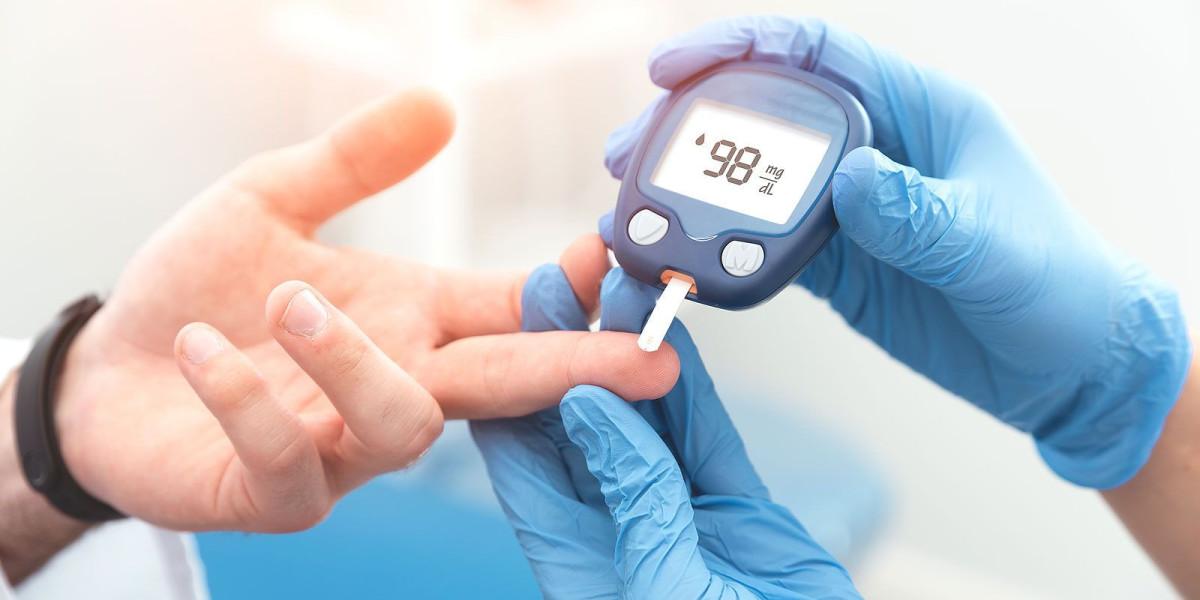

A Blood Sugar Test is a common diagnostic procedure used to measure the amount of glucose in your bloodstream. Glucose is an important source of energy for the body, but blood sugar levels can change throughout the day depending on meals, physical activity, stress, medications, and other factors. Testing provides useful information that can help healthcare professionals assess glucose regulation and determine whether further evaluation may be appropriate. If you are looking for professional testing services, Blood test in Dubai can provide convenient access to laboratory testing based on your individual healthcare requirements.
The process is generally quick and straightforward, but the exact procedure depends on the type of glucose test being performed. Some tests require fasting, while others can be performed at any time of day. Understanding how the test works and what happens before and after the sample is collected can make the experience easier, especially if you are having glucose testing for the first time.
What Does a Blood Sugar Test Measure?
A Blood Sugar Test measures the concentration of glucose in a blood sample. Glucose primarily comes from carbohydrates in the foods and drinks you consume. After digestion, glucose enters the bloodstream and is transported to cells throughout the body.
Insulin, a hormone produced by the pancreas, helps glucose move from the bloodstream into cells. When the body does not produce enough insulin or does not use it effectively, blood glucose levels can rise.
A glucose test gives healthcare professionals a measurement that can be considered alongside symptoms, medical history, physical examination findings, and other laboratory results.
Why Is Glucose Testing Performed?
Healthcare professionals may recommend glucose testing for several reasons. It may be part of routine health screening, diabetes assessment, or ongoing monitoring for someone who has already been diagnosed with diabetes.
Testing may also be recommended when someone experiences symptoms that could be related to abnormal glucose levels. Increased thirst, frequent urination, tiredness, blurred vision, shakiness, sweating, or unexplained changes in weight can sometimes be associated with blood sugar changes.
However, these symptoms can have many causes. Testing provides objective information that can help a healthcare professional investigate the situation more accurately.
How Is a Blood Sugar Test Performed?
For a standard laboratory glucose test, a healthcare professional usually collects a small sample of blood from a vein in your arm.
First, the area is cleaned to reduce the risk of infection. A sterile needle is then inserted into the vein, and a small amount of blood is collected into a testing tube.
After the sample has been collected, the needle is removed and the area may be covered with cotton or a small bandage. The sample is then sent to a laboratory for analysis.
Most people experience only brief discomfort during the procedure. Some individuals may notice a small bruise or tenderness afterward.
Does a Blood Sugar Test Require Fasting?
Whether fasting is required depends on the specific test.
Fasting Glucose Testing
A fasting glucose test requires you to avoid eating for a specified period before the blood sample is collected. The healthcare provider or laboratory should provide exact instructions.
During the fasting period, you may be allowed to drink water, but you should follow the specific instructions you receive.
Random Glucose Testing
A random glucose test does not require the same fasting preparation. It can be performed at different times of the day, including after eating.
The time of your last meal can still be important when interpreting the result, so provide accurate information to your healthcare professional.
How Does HbA1c Testing Work?
An HbA1c test works differently from a standard glucose measurement. Instead of showing your blood sugar level at one particular moment, it provides an estimate of your average blood glucose over approximately the previous two to three months.
This test measures the percentage of hemoglobin in your blood that has glucose attached to it. Because red blood cells circulate for several months, the result provides information about longer-term glucose patterns.
HbA1c testing is commonly used in diabetes screening and ongoing diabetes management.
What Happens After the Blood Sample Is Taken?
Once your sample reaches the laboratory, it is analyzed using appropriate testing equipment. The resulting measurement is included in a laboratory report.
The interpretation depends on the test performed. A fasting glucose result, random glucose measurement, and HbA1c percentage provide different types of information and should not be compared as though they were the same test.
Your healthcare provider can explain your results and determine whether additional testing is appropriate.
How Are Blood Sugar Results Interpreted?
Glucose results are interpreted according to the test type and the circumstances under which the sample was collected.
For example, fasting glucose is interpreted using different criteria from a random glucose measurement. The healthcare professional may also consider your symptoms, family history, medications, and other health information.
An abnormal result does not necessarily mean that you have diabetes. In some situations, repeat testing or another type of glucose assessment may be required before a diagnosis can be made.
What Can Affect Test Results?
Several factors can influence blood glucose measurements. Eating, physical activity, stress, illness, sleep, and certain medications can all affect glucose levels.
For example, blood sugar generally increases after eating. Physical activity can change how the body uses glucose, while illness and stress may temporarily influence glucose regulation.
This is why following preparation instructions and providing accurate health information are important when having a glucose test.
How Long Does Testing Take?
The actual blood collection usually takes only a few minutes. However, the total time before you receive your results depends on the testing facility and the type of analysis being performed.
Some services may provide results relatively quickly, while more specialized tests may require additional processing time.
Your healthcare provider or laboratory can tell you when you can expect your report.
Is Blood Sugar Testing Painful?
Most people experience only mild and brief discomfort when blood is drawn. You may feel a small pinch when the needle enters the skin.
Some people feel nervous about needles, especially during their first blood test. Inform the healthcare professional if you feel anxious or have previously experienced dizziness during blood collection.
Staying relaxed and following the technician's instructions can make the process easier.
Who May Need Regular Testing?
Regular glucose monitoring may be recommended for people with diabetes or those who have specific health risks. Individuals with a family history of diabetes, previous abnormal glucose results, or certain medical conditions may also be advised to undergo screening.
Pregnancy may involve separate glucose testing recommendations, particularly for assessing gestational diabetes.
The appropriate testing schedule should always be based on individual medical circumstances and professional guidance.
Final Thoughts
Understanding how a Blood Sugar Test works can make glucose testing less confusing and help you prepare properly. The procedure is generally simple, and different testing methods can provide information about current or longer-term blood glucose levels.
If you need convenient healthcare testing, Blood test in Dubai can provide access to professional laboratory services. Before your test, follow all preparation instructions and tell your healthcare professional about relevant medications, symptoms, or health conditions. After receiving your results, discuss them with a qualified healthcare professional to understand what they mean for your individual health.
