


How Organizational Help Can Simplify Your Home
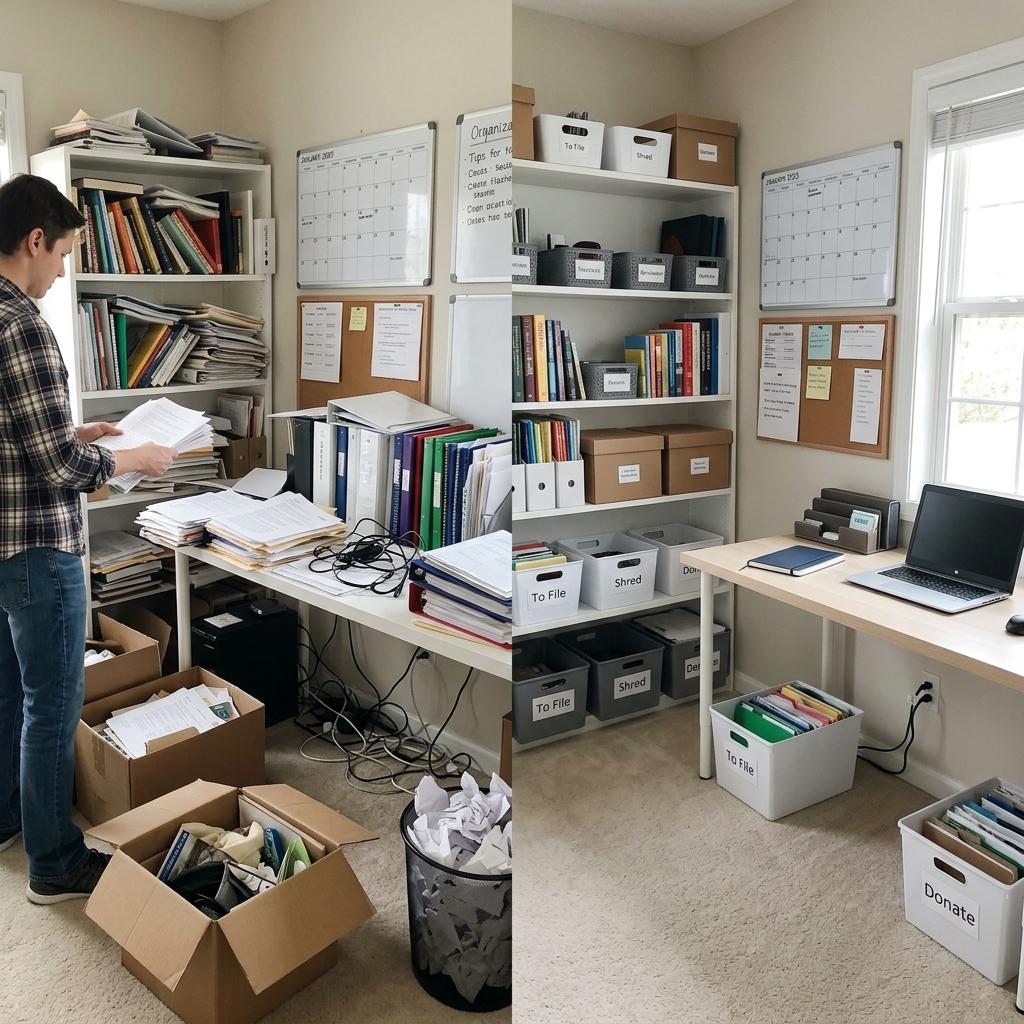
Cleaning and organization are connected, but they are not exactly the same task. A home can be clean while still feeling difficult to manage because belongings do not have clear places, surfaces become crowded, or frequently used items are difficult to find.
Organizational Help focuses on making spaces easier to use and maintain. Instead of concentrating only on removing dirt, the process looks at how belongings and household areas are arranged.
For households that repeatedly tidy the same areas only to see them become cluttered again, organization can be a practical part of creating a more manageable home.
What Does Organizational Help Mean?
Organizational help involves creating more functional arrangements for belongings and household spaces.
The process can involve looking at:
-
Where frequently used items are stored
-
Which surfaces collect clutter
-
Whether storage areas are being used effectively
-
Which belongings need to remain accessible
-
Which items can be grouped together
-
How a room is used throughout the day
The objective is not simply to make everything look neat temporarily. A useful organization system should make it easier to maintain the space afterward.
Why Clutter Often Returns
One reason clutter returns is that belongings do not have a practical place to go.
If an item is difficult to store, people are more likely to leave it on a nearby surface. When that happens repeatedly, the same areas become cluttered.
Another issue is convenience. Storage systems that require too many steps may not fit the way a household actually uses the room.
Good organization starts by observing everyday habits rather than imposing an arrangement that looks good but is difficult to maintain.
Start With One Area
Trying to reorganize an entire home at once can become overwhelming.
A better approach is to begin with one area that creates the most frustration.
This could be:
-
A crowded kitchen area
-
A frequently used entryway
-
A bedroom with limited organization
-
A living room surface that repeatedly collects belongings
-
A storage area that has become difficult to use
Once one area becomes functional, the same principles can be applied elsewhere.
A Simple Organization Process
A practical organization project can follow several steps.
1. Identify the Problem
Ask what makes the area difficult to use. Is there too much clutter? Is storage poorly arranged? Are frequently used items hard to reach?
2. Group Similar Items
Keeping similar belongings together can make them easier to locate and return to their proper place.
3. Prioritize Accessibility
Items used regularly should generally be easier to reach than belongings used only occasionally.
4. Reduce Unnecessary Clutter
If something is no longer useful or needed, keeping it in the same storage area can make organization more difficult.
5. Create Simple Habits
An organization system works better when household members can easily return items to their designated places.
Organization and Cleaning Work Together
Cleaning can become easier when surfaces and storage areas are organized.
Consider a kitchen counter covered with appliances, mail, containers, and miscellaneous belongings. Even if the counter is wiped every day, cleaning it can remain difficult.
Once unnecessary items have been relocated and the remaining belongings have logical places, the same cleaning task becomes simpler.
This is why organization can be a useful complement to residential cleaning.
When Professional Organizational Help May Be Useful
Professional assistance can be worth considering when a household knows what needs to change but does not have enough time to tackle the project.
It can also help when a space has become difficult to manage and the household needs an outside perspective on how to arrange it more practically.
The purpose is not to create a perfect-looking home. It is to create spaces that work better for the people using them.
Maintaining an Organized Space
Organization is not a one-time visual transformation. It requires simple habits afterward.
A few practical principles can help:
-
Return items to their designated places.
-
Avoid allowing temporary piles to become permanent.
-
Reassess storage when household needs change.
-
Keep frequently used items accessible.
-
Address clutter before it spreads to additional rooms.
Small habits are usually easier to maintain than complicated systems.
Frequently Asked Questions
What is organizational help?
Organizational help focuses on arranging belongings and spaces so they are easier to use, access, and maintain.
Is organizational help the same as cleaning?
No. Cleaning focuses primarily on dirt and household surfaces, while organization focuses on arranging belongings and improving how a space functions.
Where should I start organizing?
Start with one area that repeatedly causes problems rather than trying to reorganize the entire home at once.
Should I declutter before organizing?
Reducing unnecessary belongings can make organization easier because there are fewer items competing for limited storage space.
Can organization make cleaning easier?
Yes. When surfaces are less crowded and belongings have designated places, routine cleaning can become easier to perform.
How do I keep an organized space from becoming cluttered again?
Simple habits such as returning items to their designated places and addressing clutter early can help maintain the arrangement.
Turn Cluttered Spaces Into More Usable Spaces
A well-organized home is not necessarily one where every item is hidden. It is a home where belongings are easier to find, surfaces are easier to use, and everyday routines require less effort.
For households that need help with cleaning as well as organization, Kingdom Cleaning & More provides professional cleaning services. The company lists contact information at @kingdomcleaningandmore.com for inquiries and working hours of Monday through Friday from 8 AM to 5 PM and Saturday from 8 AM to 2 PM.
Organizational Help

 Bangla