

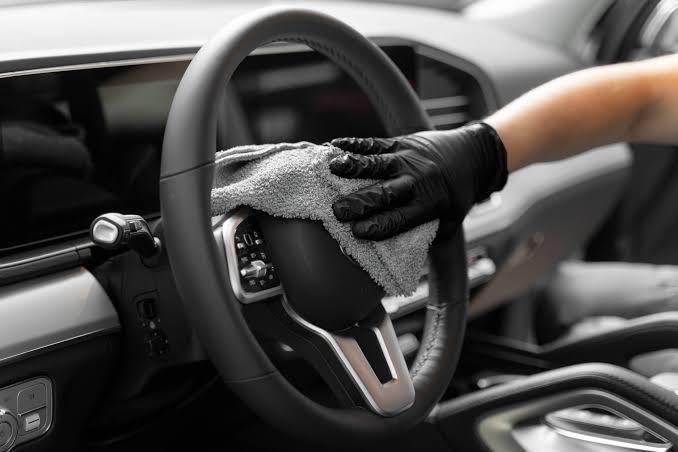
Most drivers spend more time inside their car than they realize commuting to work, running errands, driving kids around, or sitting through Hamilton's unpredictable weather with the windows rolled up. Over months and years, that time adds up in ways you can't always see at first glance: dust settling into air vents, grime building up in seat seams, and odors soaking into fabric and foam. It's easy to notice a dirty exterior, but the inside of a car often gets ignored until it starts to feel, and smell, like a problem.
That's exactly where a proper cleaning routine becomes worth talking about. Car interior detailing services in Hamilton, ON are becoming less of a luxury and more of a regular part of vehicle maintenance, especially for people who use their cars daily for work, family life, or ride-sharing. It's not just about making a car look nice for resale it's about keeping the space you sit in every day clean, healthy, and comfortable.
The Hidden Wear and Tear Inside Your Car
Exterior damage is obvious. A scratch, a chip, a bit of rust you notice it right away and usually get it fixed. Interior wear is sneakier. Sunlight fades dashboards and seat fabric. Spilled coffee soaks into carpet fibers. Pet hair works its way into upholstery you can't reach with a regular vacuum. Salt and slush from Hamilton winters get tracked in on boots and settle into floor mats and carpet padding, sometimes contributing to mold or mildew smells that don't go away with an air freshener.
None of this happens overnight, which is part of the problem. It builds slowly, and by the time it's noticeable, it's often more deeply set in than a quick wipe-down can handle. This is where a full interior detail not just a vacuum and a wipe, but an actual deep clean makes a real difference.
What Actually Happens During an Interior Detail
A lot of people assume "detailing" just means a more thorough vacuum. In reality, a proper interior detail covers far more ground than a standard car wash package.
A typical session includes:
- Deep vacuuming of seats, carpets, floor mats, and often the trunk, using tools that reach into seams and crevices a home vacuum can't.
- Steam cleaning or shampooing of fabric seats and carpets to lift out stains, dirt, and allergens trapped in the fibers.
- Leather conditioning for leather or leatherette seats, which prevents cracking and keeps the material looking new rather than dry and worn.
- Dashboard and trim cleaning, removing dust buildup from vents, cupholders, and console areas that regular cleaning tends to miss.
- Window and glass cleaning from the inside, which often gets a hazy film that's easy to overlook until you're driving into the sun.
- Odor treatment, addressing the source of smells rather than covering them up with a spray.
Done properly, this kind of service doesn't just make a car look clean it resets the interior environment. Dust that would otherwise circulate through the air vents every time the fan turns on gets removed at the source, which matters more than people think, especially for anyone with allergies or young kids riding in the back seat.
Signs Your Car's Interior Needs Attention
You don't need to wait until your car smells bad to consider a detail. A few common signs suggest it's overdue:
- Dust visibly settling on the dashboard within a day or two of cleaning it.
- A musty or stale smell that lingers even with the windows down.
- Stains on seats or carpets that haven't come out with basic cleaning.
- Sticky or dull-looking leather seats.
- Visible grime in door panels, cupholders, or around the gear shift.
- Allergy symptoms that seem to flare up specifically when you're in the car.
Any one of these on its own might not be a big deal. Several at once usually means the interior has built up more than surface-level dirt, and a deeper clean will do more than a quick vacuum session ever could.
Why This Matters More in Hamilton Than You Might Expect
Hamilton's climate plays a bigger role in interior wear than a lot of drivers give it credit for. The city sees a real mix of conditions — humid summers, road salt through the winter months, and enough rain and slush in between to keep tracking moisture into vehicles for a good chunk of the year.
That moisture doesn't just disappear. It gets trapped in carpet fibers and floor mats, and if it sits there long enough, it becomes the kind of environment mold and bacteria are happy to grow in. Combine that with sand, salt residue, and general road grime, and it's easy to see why interiors in this region tend to need more frequent attention than in drier climates.
There's also the matter of sun exposure during Hamilton's summer months, which fades and dries out dashboards, door panels, and leather seating faster than most people expect. A vehicle that isn't protected with conditioning treatments can start showing cracks and discoloration well before it should, simply from sitting in direct sunlight day after day.
DIY Cleaning vs. Professional Detailing
There's nothing wrong with a quick at-home vacuum and wipe-down between services it's a good habit and helps maintain things between deeper cleans. But there's a ceiling to what home tools and products can actually accomplish.
Home vacuums typically don't have the suction or attachments to pull dirt out of tightly woven carpet fibers or seat seams. Household cleaning sprays can sometimes do more harm than good on leather or certain fabrics if they're not formulated for automotive interiors. And odor problems, if they're coming from something like a spill that's soaked into padding under the carpet, usually can't be fixed by anything sprayed on the surface.
Professional-grade extraction equipment, steam tools, and interior-safe conditioning products are built specifically to handle these problems at a level home cleaning generally can't reach. That's really the core difference professional detailing isn't just "more thorough," it's working with tools and products designed for the actual materials inside a car.
How Pure Detailing Approaches Every Vehicle
At Pure Detailing, the process starts with actually looking at the car not applying the same routine to every vehicle regardless of its condition. A car that's mainly dusty needs a different approach than one dealing with pet hair, deep stains, or lingering odors, and treating every job the same way tends to produce inconsistent results.
The team walks through the interior first, checking seat material, carpet condition, and any specific problem areas the owner points out, before deciding on the right combination of vacuuming, shampooing, conditioning, and odor treatment. Leather seats get conditioned rather than just wiped, fabric seats get treated for both stains and embedded dirt, and attention goes into the small areas vents, cupholders, door pockets that often get skipped in a rushed cleaning.
The goal isn't just a car that looks clean in photos. It's an interior that actually smells better, feels better to sit in, and holds up better over time because the materials have been properly cared for rather than just wiped down.
How Often Should You Get an Interior Detail?
There's no single answer that fits everyone, since it depends heavily on how the car gets used. As a general guide:
- Daily commuters or anyone using their vehicle for ride-sharing or delivery work should consider an interior detail every 3 to 4 months.
- Families with kids or pets often benefit from a similar schedule, since spills, hair, and general mess build up faster.
- Occasional drivers who mostly use their car for shorter trips can usually stretch to every 6 months without much issue.
- Before winter and after winter are two good checkpoints regardless of usage, since that's when salt, slush, and moisture do the most damage.
Sticking closer to a seasonal schedule, rather than waiting until problems are obvious, tends to keep both the materials and the air quality inside the car in much better shape long-term.
Choosing the Right Interior Detailing Service in Hamilton
Not every detailing service handles interiors with the same level of care, and it's worth knowing what to look for before booking one.
A few things worth checking:
- Whether they use steam extraction or just surface vacuuming.
- Whether leather conditioning is included or treated as an upsell.
- How they handle odor removal treatment at the source versus masking sprays.
- Whether they inspect the car before quoting, rather than offering a flat, one-size-fits-all package.
- Reviews or before-and-after examples specific to interior work, not just exterior wash results.
A service that takes the time to assess the vehicle first and explain what it actually needs, rather than pushing a standard package regardless of condition, is usually a good sign of quality.
Conclusion
A clean exterior might be what people notice first, but the inside of your car is where you actually spend your time and it deserves the same level of attention. Between Hamilton's seasonal weather, road salt, and everyday wear from commuting, family life, or work use, interiors build up dirt, odors, and stains faster than most drivers expect.
Regular professional detailing isn't just about appearance. It protects the materials inside your car, improves the air you're breathing on every drive, and helps your vehicle hold its value over time. If it's been a while since your car had a real deep clean, it might be worth booking a service before the buildup becomes harder to reverse. Pure Detailing works with drivers across Hamilton to bring interiors back to a genuinely clean, fresh condition not just a quick wipe-down, but a proper reset for the space you spend so much time in.
Frequently Asked Questions
How long does a full interior detail usually take?
Most interior detailing sessions take between 1.5 to 3 hours, depending on the size of the vehicle and how much buildup needs to be addressed.
Can interior detailing remove pet hair and stubborn odors?
Yes. Professional extraction tools and odor treatments are designed to remove embedded pet hair and address smells at their source, rather than just masking them temporarily.
Is leather conditioning really necessary, or just cosmetic?
It's more than cosmetic. Conditioning helps prevent leather from drying out, cracking, and fading, which extends the life of the seats and keeps them looking better for longer.
How soon after a snowstorm should I get my car's interior cleaned?
It's a good idea to schedule a cleaning as soon as reasonably possible after heavy salt and slush exposure, since moisture trapped in carpets and mats can lead to odor or mold issues if left too long.
Will detailing help with allergies while driving?
It can help. Removing dust, pollen, and other allergens from vents, seats, and carpets often reduces the amount of irritants circulating through the car's air system.
How is interior detailing different from a regular car wash?
A standard car wash usually focuses on the exterior and, at most, a quick interior vacuum. Interior detailing goes much deeper, using steam extraction, fabric or leather treatment, and odor removal to address dirt and buildup that a quick clean can't reach.
