


What Happens During an HIV Test?
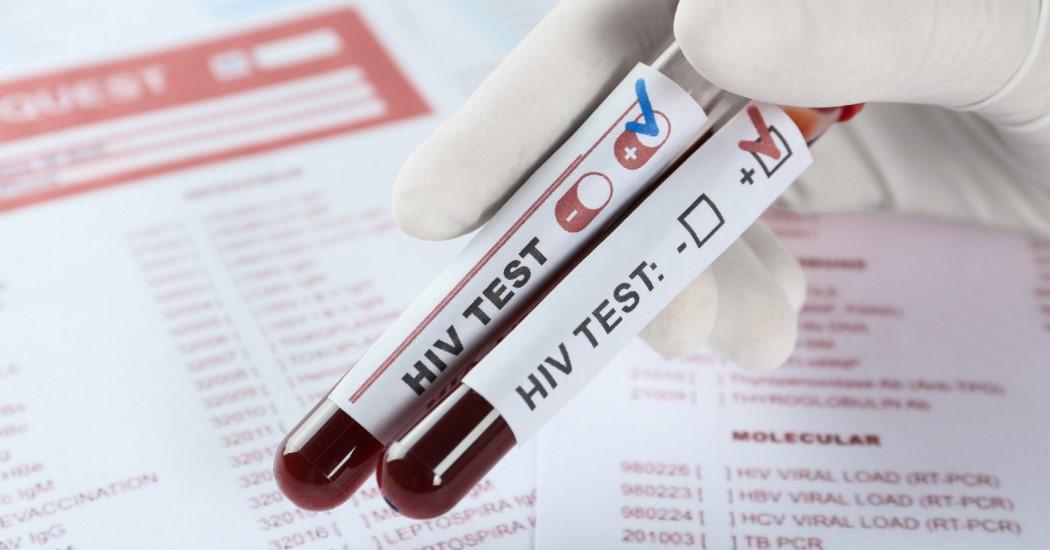
Knowing what to expect can make the testing process easier for people considering HIV screening for the first time. An HIV Test in Dubai is a straightforward medical screening procedure designed to look for evidence of HIV infection. Depending on the testing method, a healthcare professional may collect a blood sample or another approved specimen and send it for analysis.
People who are considering an STD Test in Dubai may also discuss HIV screening with a healthcare professional. The appropriate tests depend on the individual's circumstances, symptoms, potential exposure, and the type of sexual health assessment being considered.
Understanding the process before visiting a clinic can help you prepare questions and understand why the timing of the test matters.
The Initial Consultation
The process may begin with a brief consultation. A healthcare professional can ask about the reason for testing and whether there has been a possible exposure.
You may be asked approximately when the potential exposure occurred. This information is useful because HIV tests have different detection periods, and testing too soon after exposure may not provide a definitive result.
The healthcare professional may also ask whether you have previously had HIV testing or whether you are experiencing symptoms. You do not necessarily need symptoms to have an HIV test, as HIV can sometimes be present without noticeable symptoms.
Discussing Your Testing Options
Depending on your circumstances, the healthcare professional can explain the available HIV testing methods. Different tests detect different markers associated with HIV.
Some tests detect antibodies, while combination tests can detect antibodies and the p24 antigen. Nucleic acid testing can detect HIV genetic material and may be considered in particular circumstances.
The appropriate method should be determined with professional guidance rather than simply choosing a test based on how quickly results are available.
Preparing for an HIV Test
In many cases, extensive preparation is not required for HIV testing. However, preparation requirements can depend on the specific test and the clinic's procedure.
Before your appointment, you can ask whether you need to avoid eating or drinking, although many HIV tests do not require fasting. You can also ask how the sample will be collected and how results will be communicated.
Providing accurate information about a potential exposure is more important than trying to prepare in a particular way. The date and circumstances of possible exposure can help the healthcare professional interpret the test appropriately.
How a Blood Sample Is Collected
For a blood-based HIV test, a healthcare professional usually collects a small blood sample using standard medical procedures.
The skin is typically cleaned before the sample is collected. A needle may be used to draw blood from a vein, depending on the testing method. The sample is then labeled and processed according to the testing procedure.
The collection itself is generally brief. Afterward, the healthcare professional may provide basic instructions regarding the sample and expected result timing.
Other Types of Samples
Not every HIV test necessarily uses a traditional blood draw. Depending on the specific test, a sample may be collected using another approved method.
The type of specimen depends on the testing technology being used. Before the test, the healthcare provider can explain exactly what sample is required and how it will be collected.
Does an HIV Test Hurt?
The level of discomfort depends on the testing method. If blood is collected from a vein, you may feel a brief pinch when the needle is inserted.
Some people experience minor tenderness at the collection site afterward. If you have concerns about needles or blood collection, you can mention this to the healthcare professional before the procedure.
How Long Does HIV Testing Take?
The time required for sample collection is generally short, but the time needed to receive results depends on the testing method and the provider's laboratory process.
Some rapid screening methods can provide results relatively quickly, while laboratory-based testing may take longer because the sample needs to be processed and analyzed.
When arranging your test, ask the healthcare provider when you should expect the result and how it will be delivered.
Understanding the Window Period
The window period is an important part of the HIV testing process. It refers to the period after infection during which a particular test may not yet be able to detect HIV reliably.
Testing during this period can result in a negative finding even when infection has occurred. This is why healthcare professionals consider the timing of possible exposure when recommending HIV screening.
If you have recently experienced a potential exposure, tell the healthcare provider the approximate date. They can explain whether the test is appropriate at that point and whether repeat testing may be necessary.
What Happens After the Sample Is Collected?
Once the sample has been collected, it is analyzed using the relevant testing method. The result is then reported according to the healthcare provider's procedures.
A negative or non-reactive result generally means that HIV was not detected by the test at that time. However, if testing occurred during the window period, follow-up testing may be recommended.
A reactive screening result generally requires additional testing to determine whether HIV infection is actually present.
What Does a Negative Result Mean?
A negative result means that the test did not detect the HIV markers it was designed to identify.
The significance of the result depends partly on when testing occurred. A negative result obtained after the appropriate detection period provides more meaningful information than one obtained shortly after a potential exposure.
If you are uncertain about whether your test was performed at the right time, discuss the result with a healthcare professional.
What Does a Reactive Result Mean?
A reactive screening result indicates that the test detected markers requiring further evaluation. It should not automatically be treated as a confirmed HIV diagnosis.
Additional testing is generally used to establish whether the reactive result represents HIV infection. A healthcare professional can explain the confirmatory process and what to expect next.
HIV Testing and Privacy
Privacy can be an important consideration when seeking sexual health services. Before testing, you can ask the healthcare provider how your sample and results will be handled.
You can also ask how results are communicated and whether you need to return to the clinic or can receive them through another approved method.
Being comfortable asking questions can help you better understand the testing process.
Can You Get Other STD Tests at the Same Time?
An STD Test in Dubai may involve screening for multiple sexually transmitted infections depending on your circumstances.
HIV testing does not automatically test for every other sexually transmitted infection. Different infections require different testing methods and may have different detection periods.
If you are concerned about a broader range of infections, tell the healthcare professional about your concerns. They can explain which additional tests may be appropriate.
What If You Recently Had a Potential Exposure?
If a potential HIV exposure happened recently, seek professional medical advice as soon as possible rather than waiting for symptoms.
The timing of certain post-exposure interventions can be important. A healthcare professional can assess the circumstances and explain whether urgent medical options may be appropriate.
They can also advise you about HIV testing and whether additional testing may be needed later because of the window period.
Why Follow-Up Matters
HIV testing does not always end with the first result. Depending on the timing and outcome, a healthcare professional may recommend repeat or confirmatory testing.
Following the recommended testing schedule helps ensure that results are interpreted appropriately. It can also prevent unnecessary uncertainty when a test was performed too early.
Takeaway
An HIV Test in Dubai usually involves a consultation, selection of an appropriate testing method, sample collection, laboratory or rapid analysis, and discussion of the result. The process itself is generally straightforward, but the timing of testing is particularly important because of the HIV window period.
If you are considering an STD Test in Dubai, you can also ask a healthcare professional whether HIV screening and other sexual health tests are appropriate for your circumstances. Understanding the testing method, result timing, and possible need for follow-up can help you approach the process with accurate information.

 Bangla