


How Does Mansen Sunshade Beach Tents Match Your Group Size Needs
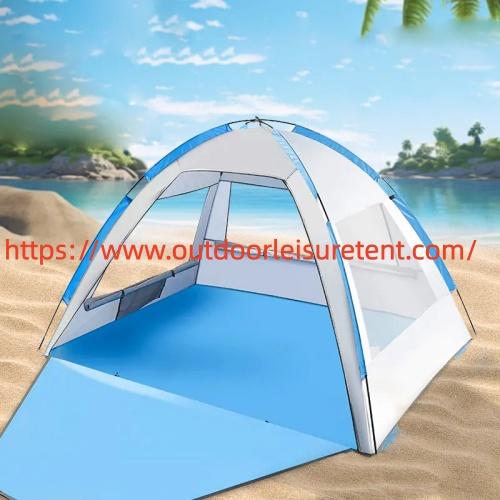
Sunshade Beach Tents offer a practical way to create shade and private space for outdoor gatherings of different sizes. Selecting the right model begins with counting the people who will share the area and listing the main activities planned for the day. A unit that feels open enough for movement yet closed enough for privacy supports longer stays without constant adjustment.
Start by listing exact headcount. Two or three adults need less floor area than a mixed group of six or more that includes children. Measure the space each person requires when seated or resting. Leave room for a small cooler or bag so items stay within reach yet out of walking paths. Units designed for four people often work well for quiet reading or light snacks while larger frames handle games or shared meals more easily.
Next review the length of time you expect to remain in one spot. Short morning visits call for lighter frames that fold and carry with less effort. Full day schedules benefit from stronger poles and wider coverage that reduce the need to shift position as the sun moves. Check the packed weight and folded dimensions against the storage space in your vehicle. A model that fits easily in the trunk encourages more frequent use.
Consider the ground surface you will meet. Soft sand demands longer stakes or wider bases for stability. Hard packed soil or grass allows standard anchors. Look for adjustable legs or flexible joints that adapt to uneven spots without extra tools. Ventilation panels or mesh sections help air move through the covered area and limit heat buildup during midday hours.
Think about the main purpose of each outing. Quiet rest periods favor lower profiles that block wind and sun from multiple angles. Active play sessions need higher ceilings and open sides so people can enter and exit freely. Some frames include removable walls that convert an open canopy into a more enclosed shelter when weather shifts. Matching these options to your usual routine saves time on site.
Fabric weight and coating also matter. Heavier cloth resists wear from repeated packing and unpacking. Lighter material packs smaller yet still blocks strong rays when layered properly. Test the zipper quality and seam strength by gently pulling at stress points before purchase. Reinforced corners and double stitched edges support longer service life under regular outdoor conditions.
Color choice affects both visibility and temperature. Darker tones absorb more heat while lighter shades reflect it. High contrast panels make the unit easier to locate from a distance in busy open areas. Neutral tones blend with natural surroundings if a low profile look is preferred.
Carry straps and bag design influence daily convenience. Wide padded handles reduce shoulder strain when walking from parking to the chosen spot. External pockets keep stakes and instructions separate from the main body so setup begins faster. A bag that stands upright on its own simplifies packing at the end of the day.
Mansen designs focus on clear size labels and straightforward assembly steps so users spend less time reading instructions and more time enjoying the outdoors. Each model lists recommended occupancy and packed size in plain terms. This approach helps buyers match the product to actual group numbers and schedule length without trial and error.
Once the unit is home practice the setup once in an open yard or park. Note the order of pole insertion and stake placement. Familiarity shortens the process on location and reduces frustration when children or other group members wait nearby. Store the product fully dry to limit moisture related wear between uses.
Budget planning works best when capacity needs come first. A slightly larger frame that accommodates growth in group size often proves more useful than a tight fit that requires later replacement. Compare warranty length and available spare parts so long term ownership remains simple.
Weather patterns in your usual locations also guide selection. Areas with frequent afternoon breezes benefit from lower wind resistance designs. Regions with intense midday sun call for broader coverage and better ventilation. Local knowledge combined with product specifications leads to choices that support comfort across seasons.
Finally review return policies and customer support options. Clear contact channels allow questions about assembly or replacement parts to receive quick answers. Keeping the original packaging for a short period after first use provides a simple way to resolve any early concerns.
These steps turn the selection process into a series of practical checks rather than guesswork. Matching headcount activity type and outing length produces a shelter that serves the group reliably and lets every member stay comfortable from arrival to departure. Once your notes on capacity and schedule are clear you can compare the available frames and packed sizes that line up with those same points at https://www.outdoorleisuretent.com/ and move forward with a choice that fits the day you have planned.

 Bangla