

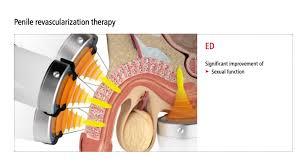

Erectile Dysfunction Treatment in Dubai (ED) is commonly associated with physical health conditions, but emotional and psychological factors can also influence sexual function. Stress and anxiety can affect the body in several ways, including changes in hormones, sleep, concentration, and blood flow. For some men, ongoing stress or anxiety may contribute to difficulty getting or maintaining an erection.
Understanding the connection between mental wellbeing and erectile function can help men recognize possible triggers and seek appropriate professional guidance. Erectile dysfunction can have multiple causes, so a proper medical assessment is important before assuming that stress or anxiety is the only factor.
How Stress Can Affect Erectile Function
Stress activates the body's natural response to perceived pressure or danger. During stressful situations, the body releases hormones such as adrenaline and cortisol. These responses can temporarily shift the body away from functions that are not immediately necessary for dealing with stress.
Sexual arousal requires coordination between the brain, nervous system, hormones, and cardiovascular system. When a person is experiencing persistent stress, this coordination may be affected. Men may notice reduced sexual interest, difficulty becoming aroused, or problems maintaining an erection.
Work pressure, financial concerns, relationship difficulties, major life changes, and lack of rest can all contribute to ongoing stress. The effect can vary considerably from one person to another.
Can Anxiety Cause Erectile Dysfunction?
Anxiety can play an important role in erectile difficulties, particularly when sexual performance becomes a source of worry. A man may become concerned about whether he will be able to achieve or maintain an erection. That concern can increase nervousness, making it harder to remain relaxed and focused on sexual stimulation.
This can create a cycle:
Anxiety → increased worry → difficulty with arousal → erection problems → more anxiety
Performance anxiety is one example, but generalized anxiety may also affect sexual function. Constant worrying can make it difficult to stay mentally engaged during intimacy.
The Relationship Between Stress, Sleep, and Sexual Health
Stress and anxiety frequently affect sleep. Poor-quality sleep or insufficient sleep can contribute to fatigue, low energy, mood changes, and reduced interest in sexual activity.
Healthy sexual function is influenced by overall physical and emotional wellbeing. Establishing regular sleep habits, maintaining physical activity, eating a balanced diet, and finding healthy ways to manage daily stress may support general health and sexual wellbeing.
These lifestyle measures should not be considered a replacement for medical evaluation when erectile dysfunction is persistent.
Relationship Stress and Erectile Dysfunction
Emotional connection can also influence sexual experiences. Relationship disagreements, communication difficulties, lack of confidence, or concerns about intimacy may increase stress around sexual activity.
In some cases, erectile difficulties can themselves create relationship tension. A man may feel embarrassed or worried about disappointing his partner, which can increase anxiety during future sexual experiences.
Open communication and professional support can sometimes help address emotional factors alongside medical care.
Is Stress Always the Cause of Erectile Dysfunction?
No. Erectile dysfunction can have many possible causes, and psychological factors may occur alongside physical ones.
Conditions such as diabetes, cardiovascular disease, obesity, hormonal problems, neurological conditions, and certain medications can affect erectile function. Smoking, excessive alcohol use, and other lifestyle factors may also contribute.
Because ED can sometimes be associated with underlying health conditions, persistent symptoms should be discussed with a qualified healthcare professional. A medical evaluation may include a discussion of symptoms, medical history, medications, lifestyle factors, and other relevant health concerns.
How Is Stress-Related Erectile Dysfunction Evaluated?
A healthcare professional may ask when the erection difficulties began, how frequently they occur, whether they happen in specific situations, and whether there are other symptoms.
It can also be useful to discuss current stress levels, anxiety, sleep patterns, relationship concerns, and lifestyle habits. Depending on the individual situation, the healthcare professional may recommend further examination or investigations to identify possible physical contributors.
Being honest during a consultation is important. Erectile dysfunction is a common medical concern, and discussing symptoms openly can help healthcare professionals develop a more appropriate evaluation and treatment approach.
Managing Stress as Part of ED Care
When stress or anxiety contributes to erectile difficulties, addressing emotional wellbeing may form part of a broader care plan. Helpful strategies can include regular physical activity, adequate sleep, relaxation techniques, reducing excessive alcohol consumption, and maintaining healthy daily routines.
Some men may also benefit from psychological support or counseling, particularly when performance anxiety, relationship difficulties, or persistent emotional distress are involved.
The appropriate approach depends on the underlying cause. Medical treatment may be considered when physical factors contribute to ED, while psychological support may be useful when anxiety or stress has a significant role.
Erectile Dysfunction Treatment at Tajmeels Clinic in Dubai
Tajmeels clinic provides a professional setting where men can discuss erectile dysfunction concerns confidentially and explore appropriate treatment options. A personalized approach can consider the individual's symptoms, medical background, lifestyle, and potential contributing factors rather than assuming that every case has the same cause.
A consultation can also provide an opportunity to discuss whether stress, anxiety, lifestyle factors, or physical health concerns may be contributing to erectile difficulties. Appropriate evaluation and professional guidance can help patients understand their available options.
When Should You Seek Professional Help?
Occasional difficulty with erections can happen to many men. However, repeated or persistent erectile difficulties deserve professional attention, especially when they affect confidence, relationships, or quality of life.
Men should also seek medical advice if erectile dysfunction develops alongside other concerning health symptoms or if there are known medical conditions that could affect sexual function.
Early evaluation can help identify potential contributing factors and determine whether further assessment or treatment is appropriate.
Conclusion
Stress and anxiety can contribute to erectile dysfunction by affecting sexual arousal, concentration, sleep, and the body's response to stress. At the same time, ED is not always psychological and may have physical, medication-related, lifestyle, or hormonal causes.
Understanding the possible connection between emotional wellbeing and erectile function is an important step toward seeking appropriate care. A professional evaluation can help identify the factors involved and guide an individualized approach to treatment and overall men's health.
More Information
Tajmeels Clinic Dubai
WhatsApp: +971 56 203 8751
Phone: tel:+971 43739000
Social Media:

