


Repairing Chimney Brick and Using Chimney Sealer: A Smarter Approach to Masonry Protection
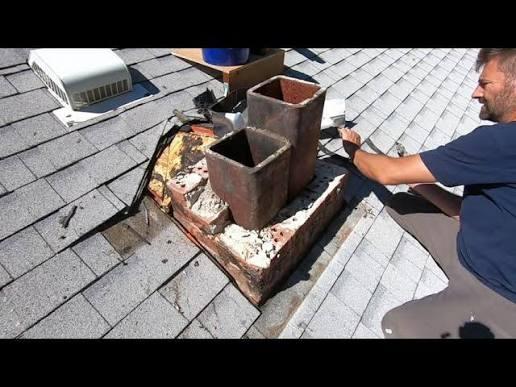
A chimney can add warmth, character, and architectural appeal to a home, but its position above the roof leaves it exposed to rain, snow, wind, and dramatic temperature changes. Over the years, this constant exposure can take a toll on brick and mortar. Small cracks, chipped bricks, and deteriorating joints may appear harmless at first, but moisture can gradually turn minor masonry problems into more significant damage.
Understanding the process of repairing chimney brick and knowing when a Chimney sealer may be appropriate can help homeowners take a more proactive approach to chimney maintenance. The key is not simply covering visible damage but addressing the condition of the masonry and protecting it from future moisture-related deterioration.
Why Chimney Bricks Become Damaged
Brick is a durable material, but it is naturally porous. This means that moisture can enter the surface, especially when the masonry has cracks, deteriorated mortar, or other weaknesses.
Seasonal changes can accelerate this process. During colder months, water that has entered the masonry can freeze and expand. When temperatures rise, the ice melts. Repeated freezing and thawing can gradually contribute to cracking, flaking, and surface deterioration.
Rain and snow can create additional exposure, while strong winds can place further stress on already weakened sections.
Because chimneys are often difficult to inspect closely from ground level, homeowners may not notice deterioration until the damage becomes more obvious.
Signs Your Chimney Brick Needs Attention
A visual inspection can reveal several warning signs. Look for bricks that are cracked, chipped, loose, or beginning to break apart. Mortar joints that appear recessed, crumbly, or missing can also indicate deterioration.
Another condition to watch for is spalling, where the outer surface of a brick flakes or breaks away. White or powdery staining on the masonry may also be associated with moisture movement through the brickwork.
Interior signs can provide additional clues. Water stains around a fireplace or on nearby walls and ceilings may suggest that moisture is entering somewhere around the chimney.
When these signs appear, professional repairing chimney brick services can help determine whether individual bricks can be replaced or whether a larger section requires restoration.
What Does Repairing Chimney Brick Involve?
The repair process depends on the type and extent of damage. If only a few bricks are severely damaged, they may be carefully removed and replaced with suitable matching materials.
The surrounding mortar should also be evaluated. Replacing a damaged brick while leaving severely deteriorated joints untouched may not address the broader masonry problem.
For larger areas of deterioration, more extensive masonry restoration may be necessary. A professional can assess the structure and determine whether localized repairs, repointing, or rebuilding is appropriate.
Matching replacement bricks is also important. Differences in size, texture, colour, and appearance can make repairs stand out from the original chimney.
What Is a Chimney Sealer?
A Chimney sealer is generally used to help protect masonry from moisture penetration. Masonry sealers are designed to interact with porous materials and can provide an additional layer of protection against water under suitable conditions.
However, sealing should not be viewed as a substitute for repairing damaged masonry.
If bricks are already cracked, loose, or severely deteriorated, those problems should be assessed and addressed before applying a protective product. Applying a sealer over damaged areas without correcting the underlying issue may simply conceal the problem temporarily.
The suitability of a sealer also depends on the type and condition of the masonry, the product being used, and the chimney's specific circumstances.
Repair First, Protect Second
One of the most important principles of chimney maintenance is understanding the difference between restoration and protection.
Repairing chimney brick addresses existing physical damage. This may involve replacing damaged bricks, restoring mortar joints, or rebuilding affected sections.
A Chimney sealer, when appropriate for the masonry, is intended as a protective measure rather than a structural repair.
Using these approaches in the right order can make more sense than relying on a coating to solve an existing masonry problem. A professional assessment can help determine whether sealing is appropriate after necessary repairs have been completed.
Moisture Is the Enemy of Healthy Masonry
Water does not always cause immediate, visible damage. Instead, repeated moisture exposure can gradually weaken masonry.
Water may enter through cracked bricks, deteriorated mortar joints, a damaged chimney crown, or problems around the roof-to-chimney connection.
Once moisture gets into vulnerable areas, freezing temperatures can increase the potential for deterioration.
For this reason, homeowners should consider the entire chimney system rather than focusing on one damaged brick. Identifying where moisture is entering can be just as important as repairing the visible masonry.
Why Professional Assessment Matters
Chimney masonry can vary considerably from one property to another. Older chimneys may contain materials and construction methods that require particular care.
A professional assessment can help determine whether a brick is structurally damaged, whether the surrounding mortar needs attention, and whether moisture is contributing to the problem.
Professionals can also determine whether a Chimney sealer is suitable for the existing masonry. Not every chimney requires the same type of protection, and using an inappropriate product may not provide the intended result.
Don't Ignore Small Masonry Problems
It can be tempting to postpone chimney maintenance when damage appears minor. However, a cracked brick or deteriorating mortar joint can become more vulnerable to weather exposure over time.
Addressing early signs can help homeowners understand the condition of the structure and plan repairs before deterioration spreads.
Regular visual checks, professional inspections, and timely maintenance can all contribute to better long-term chimney care.
Protect Your Chimney for the Long Run
A well-maintained chimney can remain a strong and attractive part of a home for many years. Keeping the masonry in good condition requires more than simply responding when serious damage appears.
When bricks begin cracking, chipping, or deteriorating, professional repairing chimney brick services can restore the affected areas. Once the masonry is properly repaired and assessed, a suitable Chimney sealer may provide additional protection against moisture, depending on the condition and type of the chimney.
The best approach is to address the source of the problem, use appropriate repair techniques, and consider protective measures as part of a broader maintenance plan. With the right care, homeowners can help preserve their chimney's appearance, strength, and resistance to the changing weather conditions it faces throughout the year.

 Bangla