

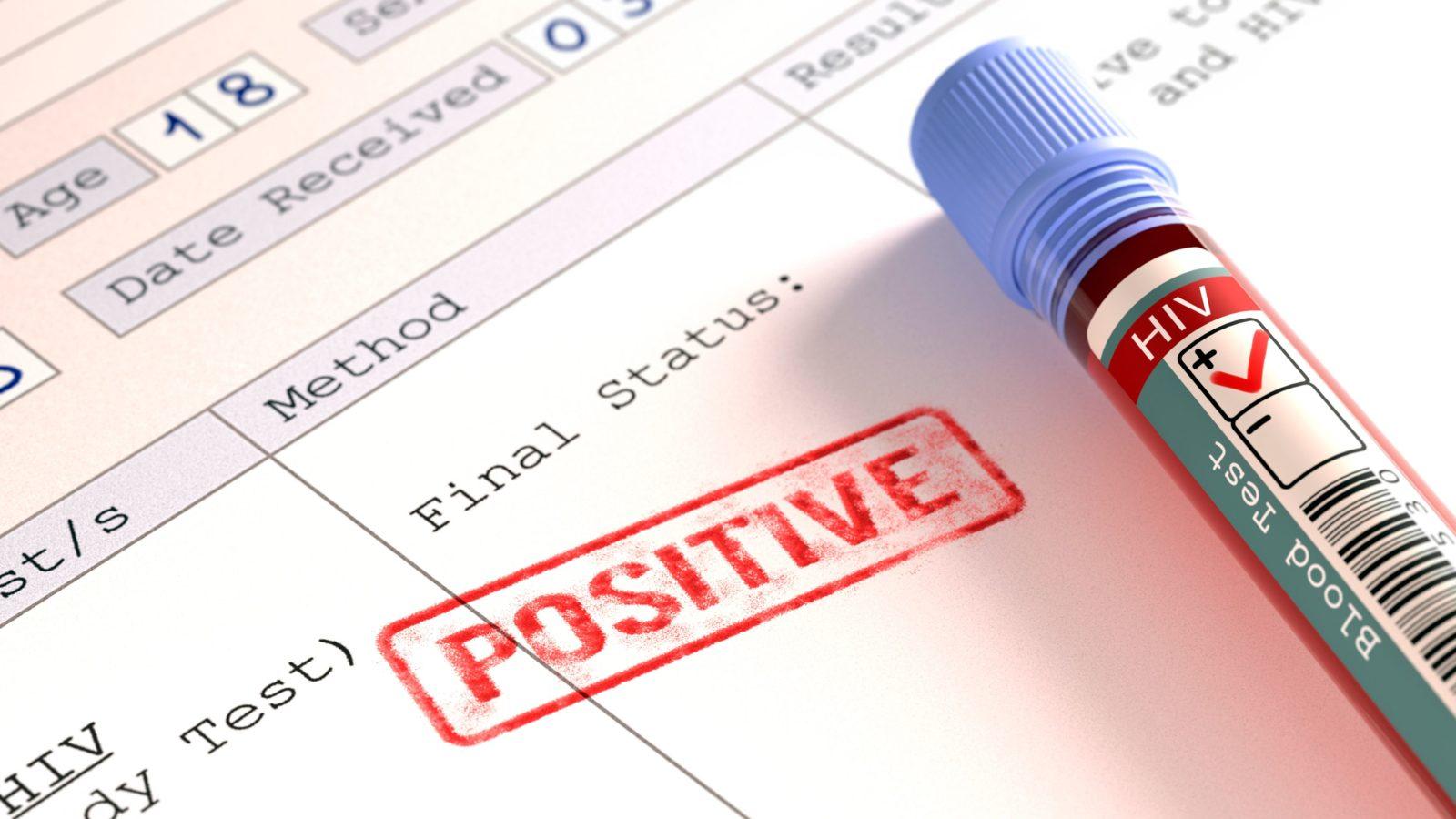

An HIV Blood Test is a laboratory procedure used to check for evidence of HIV infection. The test usually involves collecting a small blood sample and sending it to a laboratory for analysis. Because HIV may not always cause noticeable symptoms, testing can provide useful information about a person's health status and help them discuss appropriate care with a healthcare professional.
People looking for convenient diagnostic services can access Blood test in Dubai through healthcare providers and laboratories that offer different types of blood testing. The appropriate HIV test can depend on the timing of a possible exposure, the person's circumstances, and the testing method recommended by a qualified healthcare professional.
Why Is an HIV Blood Test Performed?
An HIV Blood Test can be used to determine whether there is evidence of HIV infection. Testing can be particularly important because a person may have HIV without experiencing obvious symptoms.
People may seek HIV testing after a possible exposure, as part of sexual health screening, or when a healthcare professional recommends it. Testing can provide information that cannot be established simply by looking for symptoms.
If HIV is detected, healthcare professionals can discuss appropriate treatment and ongoing medical care. Learning your status can therefore be an important part of informed healthcare.
How Should You Prepare for the Test?
Most HIV blood tests do not require special preparation such as fasting. However, if your healthcare provider has requested several blood tests at the same appointment, some of those tests may have different preparation requirements.
Before your appointment, ask the laboratory or healthcare provider whether you need to follow any specific instructions.
It can also be helpful to provide accurate information about the reason for testing and the timing of any possible exposure. This information may help the healthcare professional determine which testing approach is appropriate.
What Happens Before the Blood Sample Is Taken?
Before collecting the sample, a healthcare professional may ask questions about your health and the reason for testing. You may also be asked when a possible exposure occurred if the test is related to a recent risk.
The healthcare professional will explain the procedure and prepare the equipment required for the blood draw. A sterile needle and appropriate blood collection tube are normally used.
The area where the blood will be collected is cleaned before the needle is inserted. These steps help maintain a clean testing environment.
How Is the Blood Sample Collected?
An HIV Blood Test generally involves drawing a small amount of blood from a vein, often in the arm.
A healthcare professional applies a band or tourniquet to help make the vein easier to access. The skin is cleaned, and a sterile needle is inserted into the vein.
You may feel a short pinch when the needle enters the skin. The blood is then collected into a tube or tubes required for laboratory analysis.
Once enough blood has been collected, the needle is removed and pressure is applied to the area. A small bandage may be placed over the site.
The procedure usually takes only a few minutes.
What Happens to the Blood Sample?
After collection, the blood sample is labelled and sent to a laboratory for testing. The laboratory uses a specific testing method to look for markers associated with HIV.
Some tests detect antibodies produced by the immune system. Other tests can detect an HIV antigen along with antibodies. Certain laboratory tests can detect HIV genetic material.
The type of test used can influence how soon an infection can be detected and how the results are interpreted.
Does the Test Hurt?
Most people experience only brief discomfort during a blood draw. You may feel a small pinch when the needle is inserted, followed by mild pressure.
Some people may notice slight soreness or a small bruise at the collection site afterward. These effects are usually temporary.
If you feel uncomfortable or nervous during blood collection, tell the healthcare professional. They can explain each step and help you remain comfortable throughout the procedure.
How Long Does HIV Testing Take?
The blood collection itself is usually quick. However, the total time required to receive an HIV Blood Test result depends on the testing facility and the type of test performed.
Some testing services may provide results relatively quickly, while laboratory-based testing can require additional processing time.
When arranging your test, ask the healthcare provider when you can expect the results and how they will be communicated.
Understanding the HIV Testing Window Period
One of the most important factors in HIV testing is the window period. This refers to the time after infection during which a particular test may not yet detect HIV reliably.
Testing too soon after a potential exposure may produce a negative result even if infection has occurred. Different tests have different window periods.
For this reason, your healthcare provider may recommend testing at a particular time or repeating the test later. The appropriate schedule depends on the testing method and individual circumstances.
What Does a Negative HIV Result Mean?
A negative or non-reactive result generally means that the test did not detect evidence of HIV in the blood sample.
However, the timing of the test matters. If testing was performed during a window period, a healthcare professional may recommend another test after more time has passed.
A negative result should therefore be interpreted in the context of the type of test and the timing of possible exposure.
What Does a Reactive Result Mean?
A reactive screening result does not automatically mean that HIV infection has been confirmed. Additional testing is generally required to determine whether HIV is actually present.
If you receive a reactive result, follow the instructions provided by your healthcare professional. They can arrange or recommend the appropriate follow-up testing.
Avoid assuming that an initial screening result is a final diagnosis until the recommended confirmatory process has been completed.
Can HIV Be Detected Without Symptoms?
Yes. HIV can sometimes be present without noticeable symptoms. This is one reason why testing can be important for people who have experienced a potential exposure.
Symptoms alone cannot confirm or rule out HIV infection. Laboratory testing provides a more appropriate way to determine whether evidence of HIV is present.
If you are concerned about your HIV status, discuss your circumstances with a qualified healthcare professional rather than relying on symptoms.
Is HIV Blood Testing Confidential?
Confidentiality can be an important concern when seeking sexual health services. Before arranging an HIV Blood Test, you can ask the healthcare provider about its procedures for protecting patient information and laboratory results.
You may also ask how results are delivered and who can access your medical information.
Understanding these procedures can help you feel more comfortable discussing sensitive health concerns and asking questions about the testing process.
What Happens After the Test?
After your blood sample has been collected, you can generally continue your normal activities unless your healthcare provider gives you different instructions.
When your result becomes available, the healthcare provider may explain what it means and whether any additional testing is required.
If the result is negative but the test was taken during a window period, repeat testing may be recommended. If a screening result is reactive, follow-up testing is generally required.
Why Professional Guidance Matters
Although information about HIV testing is widely available, individual circumstances can vary. The appropriate test and testing schedule may depend on the type and timing of a possible exposure.
A qualified healthcare professional can help you understand these factors and explain the meaning of your laboratory results.
Professional guidance can also help you avoid misunderstanding an early negative result or assuming that a reactive screening result is automatically a confirmed diagnosis.
Final Thoughts on HIV Blood Test
An HIV Blood Test is generally a straightforward laboratory procedure involving the collection and analysis of a blood sample. The actual blood draw usually takes only a few minutes, while the time required for results depends on the laboratory and testing method.
Understanding the preparation, collection process, window period, and result interpretation can make HIV testing easier to navigate. If you are concerned about a possible exposure, speak with a qualified healthcare professional about the appropriate test and timing, and follow any recommendations for repeat or confirmatory testing.
