

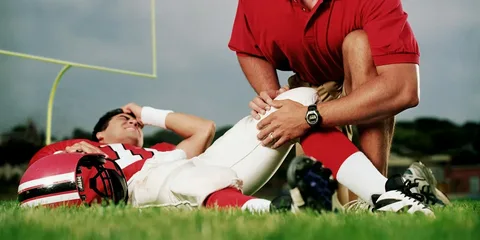

Sports injuries can happen during training, competition, exercise, or even routine practice. A sudden twist, awkward landing, repeated movement, or direct impact can affect muscles, joints, ligaments, tendons, and other tissues. While some injuries improve with rest, others can continue to cause pain and limit movement.
Getting the right care early can make recovery easier and help prevent a minor injury from becoming a long-term problem. Sports injury treatment in Mesquite can involve evaluation, pain management, rehabilitation, and gradual return to physical activity based on the type and severity of the injury.
Which Sports Injuries Need Medical Attention?
Not every sports injury requires immediate medical treatment. Mild soreness after intense exercise may improve with rest and basic care, but persistent or severe symptoms should be evaluated by a healthcare professional. Common sports injuries include sprains, strains, tendon injuries, joint problems, stress-related injuries, and injuries caused by falls or collisions.
Pain may appear immediately or develop gradually after repeated activity. Medical evaluation becomes more important when pain continues despite rest, movement becomes difficult, swelling does not improve, or the injury prevents normal exercise. Repeated injuries in the same area can also indicate an underlying problem that needs attention.
Recognizing Signs That Recovery Is Not Progressing
Many athletes try to return to training as soon as they start feeling slightly better. However, returning too quickly can place stress on an area that has not fully recovered and may increase the chance of another injury. Watch for symptoms that remain during exercise or everyday activities.
Persistent pain, weakness, reduced flexibility, swelling, instability, or difficulty putting weight on an injured area may indicate that additional care is needed. Pain that keeps returning after practice is another reason to seek an evaluation. The goal is not simply to get through a workout but to identify what is causing the symptoms and support a safe recovery.
What Happens During a Sports Injury Evaluation?
An evaluation generally begins with questions about how the injury happened, when symptoms started, and which movements make the problem worse. Your activity level, previous injuries, and current limitations may also be discussed. A physical examination can help identify areas of tenderness, weakness, limited movement, or joint instability.
Depending on the symptoms, additional testing or imaging may be recommended to understand the injury more clearly. A proper assessment helps determine the next step. Some injuries may respond to conservative care, while others may require rehabilitation, medication, injections, or further specialist evaluation.
Building a Better Recovery Plan
Mesquite sports injury rehabilitation can involve several stages rather than one single treatment. Early care may focus on controlling symptoms and protecting the injured area from activities that could make the problem worse. As symptoms improve, rehabilitation may focus on restoring movement, strength, flexibility, balance, and function.
The exercises used can vary significantly depending on the injured body part and the person’s activity level. A gradual return to exercise is often important. Increasing training too quickly can place excessive stress on recovering tissues, so activity should progress according to symptoms, strength, and functional improvement.
How Physical Therapy Helps Athletes?
Physical therapy for athletes can play an important role in restoring movement and strength after an injury. Therapy may include stretching, strengthening exercises, mobility work, balance training, and functional movements related to a person’s sport. The therapist may also examine movement patterns that could be contributing to repeated problems.
Improving strength and control around an injured area can support better function during training and everyday activities. Physical therapy is not limited to professional athletes. Recreational runners, gym users, school athletes, and people who participate in weekend sports can also benefit from appropriate rehabilitation.
When Should You Visit a Sports Medicine Clinic?
A sports medicine clinic Mesquite can be useful when an injury affects your ability to train, compete, exercise, or perform everyday activities. Professional evaluation can help determine the likely source of the problem and identify suitable treatment options.
You should consider seeking medical care for severe pain, significant swelling, inability to use the injured body part normally, repeated instability, or symptoms that are not improving. It is also worth getting evaluated when the same injury keeps returning. Repeated symptoms may require more than temporary rest and may benefit from a closer assessment of strength, movement, and recovery.
Sports Injury Treatment in Mesquite Options
Injury recovery treatment in Mesquite can vary depending on the affected tissue, severity of the injury, symptoms, and overall health. Treatment may begin with conservative approaches before more advanced options are considered. Possible approaches can include activity modification, physical therapy, medications, targeted injections, and other interventional pain treatments.
The appropriate option depends on the diagnosis rather than simply the location of the pain. For some injuries, rehabilitation is the main focus. For others, controlling pain may be necessary before the person can participate effectively in rehabilitation. Combining appropriate approaches can sometimes support a more complete recovery.
What is Orthopedic Sports Therapy?
Mesquite orthopedic sports therapy may be considered when an injury involves the bones, joints, muscles, ligaments, or tendons. Orthopedic-focused care looks at how the injured structure affects movement and physical function. This type of treatment can be useful for both acute injuries and problems that develop gradually from repeated activity.
Conditions involving the knee, shoulder, ankle, hip, elbow, and back are common concerns among active individuals. The treatment plan should reflect the injury and the person’s goals. An athlete preparing to return to competition may have different functional requirements from someone who simply wants to return to normal daily activity.
Managing Pain During the Recovery Process
Pain can make it difficult to participate in rehabilitation or maintain normal movement. However, simply covering up pain and returning to intense activity may not address the underlying problem. A pain-focused evaluation can help determine why symptoms are continuing and what treatment options may be appropriate.
In some cases, interventional approaches may be considered when conservative treatment has not provided sufficient improvement. Rao K. Ali MD is a provider associated with interventional pain care and can be considered by patients seeking evaluation for sports-related pain. His role as a board certified interventional pain management physician is relevant for people exploring specialized pain treatment as part of their recovery.
Returning to Sports After an Injury
Returning to sports should be approached gradually rather than based only on whether the pain has decreased. Strength, flexibility, movement control, and the ability to perform sport-specific activities can all matter. An athlete may begin with low-impact activity and progress toward more demanding movements.
If symptoms return during this process, the activity level may need to be adjusted and the injury reassessed. A structured return can also help an athlete regain confidence. Being able to perform normal movements without significant symptoms is an important part of getting back to regular training.
How Can You Reduce the Risk of Another Injury?
Once an athlete has recovered, preventing another injury becomes an important part of staying active. Proper warm-ups, gradual increases in training, adequate recovery, and appropriate technique can all support safer participation. Strength and flexibility should also be maintained outside the competitive season.
Ignoring recurring pain or repeatedly training through significant symptoms can increase the risk of ongoing problems. Listening to changes in your body does not mean avoiding exercise. It means recognizing when symptoms require a change in activity or professional evaluation.
Frequently Asked Questions
How long does a sports injury take to heal?
Recovery time depends on the type and severity of the injury. A mild strain may improve relatively quickly, while ligament, tendon, or bone injuries can require a longer rehabilitation period.
Can I exercise with a sports injury?
It depends on the injury and the activity. Continuing movements that increase pain can delay recovery, while appropriate low-impact activity may be possible for some conditions.
Do athletes always need physical therapy after an injury?
No. The need for therapy depends on the injury, symptoms, functional limitations, and recovery progress. Physical therapy may be recommended when strength, movement, or function needs to be restored.
When should I see a sports doctor?
Consider a medical evaluation when pain is severe, persistent, recurrent, or interfering with normal activity. A sports doctor can assess the injury and determine if additional testing or treatment is needed.
Can pain treatment be part of sports injury rehabilitation?
Yes. Managing significant pain may help a person participate more effectively in rehabilitation. The appropriate pain treatment depends on the underlying injury and individual circumstances.
Conclusion
A sports injury can interfere with much more than exercise. It can affect work, mobility, sleep, training, and confidence in everyday movement. Getting an appropriate evaluation can help identify the problem and clarify the next steps. If pain continues after rest or repeatedly returns when you resume activity, consider seeking professional care rather than continuing to push through the symptoms. A sports injury treatment in Mesquite includes a combination of medical evaluation, rehabilitation, and appropriate pain management that may help support recovery.
