


Root Canal Treatment: When Is It Needed?
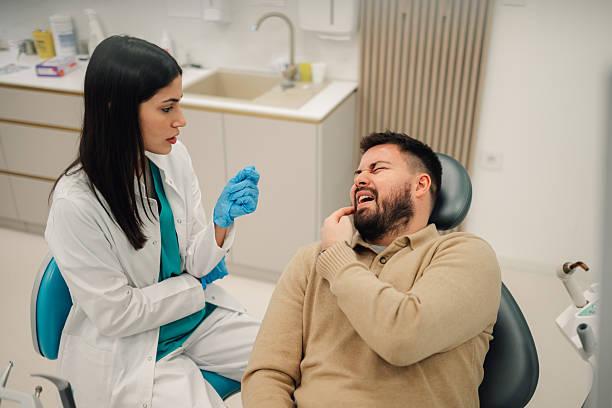
Tooth pain and sensitivity can have several causes, but problems inside a tooth may sometimes require specialized dental care. For patients considering Root Canal Treatment in Dubai, knowing the common signs and situations that may lead to this procedure can help encourage timely dental evaluation. Root canal therapy may be recommended when the pulp inside a tooth becomes inflamed or infected and cannot recover naturally.
When Is Root Canal Treatment Needed?
Root Canal Treatment may be needed when the soft tissue inside a tooth has become severely inflamed, infected, or damaged. The dental pulp contains nerves and blood vessels, so problems in this area can sometimes cause noticeable discomfort.
Deep tooth decay is a common reason for pulp damage. However, cracks, dental trauma, repeated procedures, or other structural problems can also affect the inside of a tooth.
A professional examination is necessary to determine whether root canal therapy is appropriate because similar symptoms can occur with other dental conditions.
Persistent Toothache
A toothache that continues or becomes increasingly uncomfortable may indicate a problem that requires dental attention. Pain can sometimes be noticeable without stimulation or may become more pronounced when biting or chewing.
The location and intensity of discomfort can vary. Some patients experience a dull ache, while others may notice sharper pain. Persistent symptoms should not be ignored, particularly when they interfere with eating or sleeping.
Early evaluation can help identify the source of the problem and determine the appropriate next step.
Sensitivity to Hot or Cold
Sensitivity is another possible sign of dental pulp irritation. A tooth may become particularly sensitive to hot drinks, cold foods, or temperature changes.
Occasional sensitivity does not automatically mean a root canal is necessary. However, sensitivity that is intense, persistent, or continues after the source has been removed may warrant professional evaluation.
A dentist can assess whether the symptoms are related to decay, exposed tooth structure, pulp inflammation, or another condition.
Dental Clinic: Getting the Right Diagnosis
A Dental Clinic can assess symptoms and determine whether root canal therapy may be required. The evaluation may include a visual examination, sensitivity tests, pressure testing, and dental X-rays or other imaging.
Accurate diagnosis is important because treatment should address the actual cause of the problem. In some cases, a cavity, cracked filling, gum problem, or another dental condition may produce symptoms similar to those associated with pulp damage.
Pain When Biting or Chewing
Discomfort when biting down can sometimes be associated with inflammation around the affected tooth. Patients may notice pain when eating harder foods or applying pressure to a specific area.
This symptom can have several causes, including dental decay, cracks, bite problems, or infection. A dental examination can help determine what is happening and whether the pulp has been affected.
Avoiding the affected side may temporarily reduce discomfort, but it does not address the underlying cause.
Swelling Around the Tooth
Swelling near a tooth can be a sign that an infection has developed. It may appear around the gumline or in the surrounding facial area, depending on the severity and location of the problem.
Swelling accompanied by dental pain, fever, or difficulty swallowing requires prompt professional attention. Dental infections can progress, so waiting for symptoms to disappear without evaluation is not advisable.
Deep Tooth Decay
Untreated tooth decay can gradually move through the enamel and dentin toward the pulp. Once bacteria reach the inner part of the tooth, inflammation or infection can develop.
Regular dental examinations can help detect cavities before they become extensive. Early management may sometimes prevent deeper damage and reduce the likelihood of needing more complex procedures.
Maintaining daily oral hygiene and limiting frequent sugary foods and drinks can also support cavity prevention.
Cracked or Damaged Teeth
A crack can provide bacteria with a pathway into the deeper parts of a tooth. Dental trauma can also damage the pulp even when the tooth does not appear severely broken from the outside.
If you experience pain when chewing, sudden sensitivity, or discomfort following an injury, a dental examination is recommended. The appropriate care depends on the location and extent of the damage.
Tooth Discoloration
A tooth that becomes noticeably darker may sometimes indicate changes within the pulp. However, discoloration can have various causes, and its presence alone does not confirm that root canal therapy is needed.
A professional examination can help determine why the tooth has changed color and whether internal damage is present.
What Happens If Symptoms Are Ignored?
Dental problems do not always become more painful immediately. In some cases, symptoms may temporarily decrease even though the underlying condition remains.
An untreated infection can potentially spread to tissues around the tooth and create additional complications. Seeking professional assessment when symptoms appear can help determine the problem before it progresses.
Can Every Problem Tooth Have a Root Canal?
Not every damaged or painful tooth requires root canal therapy. The procedure is generally considered when the pulp is irreversibly inflamed, infected, or otherwise damaged and the tooth remains suitable for restoration.
If a tooth cannot be predictably restored, another option may need to be considered. Your dental professional can explain the available choices after examining the tooth.
Final Thoughts
Root Canal Treatment may be needed when severe pulp inflammation or infection affects a tooth that can still be preserved. Persistent pain, prolonged sensitivity, swelling, discomfort when biting, deep decay, or dental trauma can all justify a professional examination. Timely dental care and consistent oral hygiene can help protect natural teeth and support long-term oral health.

 Bangla