

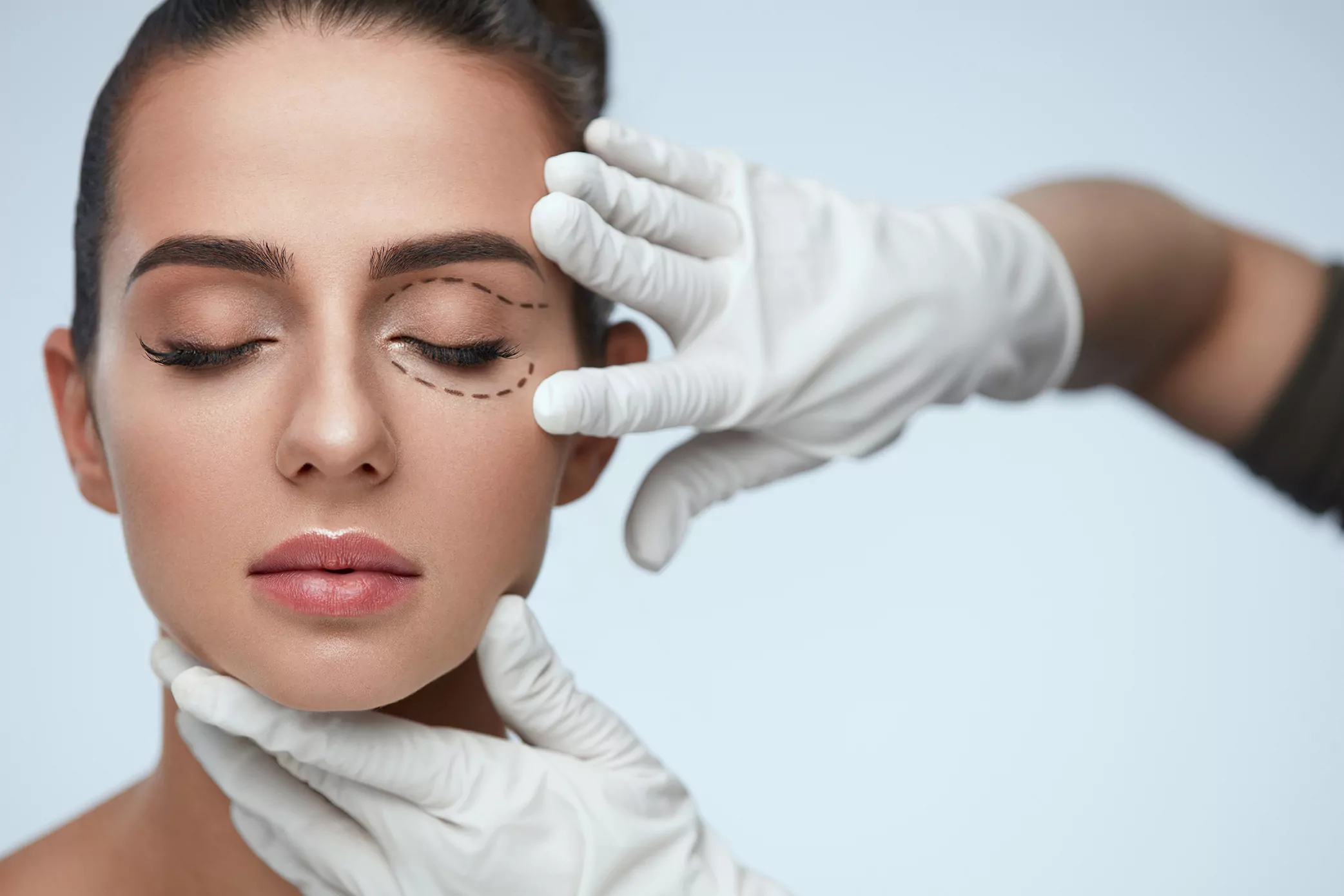

Eyelid Surgery Dubai Price is a phrase often searched by people who want to understand how different factors can influence the overall planning of eyelid surgery. Following relevant trends can help a person become more informed before making decisions about upper Eyelid Surgery Dubai Price, lower eyelid surgery, or a combination of both. Rather than focusing only on figures, understanding what shapes treatment planning can provide a clearer picture of what may be involved.
Understanding Eyelid Surgery
Eyelid surgery, also known as blepharoplasty, is a procedure designed to reshape or refine the appearance of the upper eyelids, lower eyelids, or both. It may address concerns such as excess skin, changes in the eyelid contour, or a tired-looking appearance.
The procedure can be planned differently for every individual because eyelid structure, skin characteristics, facial proportions, and desired outcomes vary. A suitable approach is usually determined after an assessment of the eyelid area and an understanding of the person's aesthetic or functional concerns.
Why Trends Matter for Treatment Planning
Following trends does not simply mean watching changing figures. It can help individuals understand how treatment approaches, surgical techniques, consultation practices, and procedural requirements evolve over time.
Several factors may make trends useful to follow:
- Changes in surgical techniques can influence how procedures are planned.
- Advances in assessment methods can provide more individualized treatment planning.
- Different eyelid concerns may require different surgical approaches.
- Awareness of current treatment practices can help people prepare relevant questions.
- Understanding procedure-related factors can support more realistic expectations.
What Can Influence Eyelid Surgery Planning?
Eyelid surgery planning depends on several individual characteristics rather than one universal formula. The amount and location of excess skin, eyelid shape, facial anatomy, and the condition of the surrounding tissues can all affect the recommended approach.
Upper eyelid surgery may focus primarily on the upper eyelid fold and excess tissue, while lower eyelid surgery can involve the area beneath the eyes and the transition between the lower eyelid and cheek. Some individuals may require attention to both areas when their concerns involve the upper and lower eyelids.
Upper Eyelid Surgery
Upper eyelid surgery focuses on the upper eyelid region. It may be considered when excess skin or changes in the upper eyelid contour affect the desired appearance.
The procedure generally involves carefully planned incisions within natural eyelid creases where appropriate. Tissue may then be adjusted according to the individual's anatomy and treatment goals.
The exact surgical plan varies because upper eyelid concerns can range from mild skin laxity to more noticeable changes in eyelid structure.
Lower Eyelid Surgery
Lower eyelid surgery addresses concerns involving the lower eyelid region. The treatment may focus on changes in the lower eyelid contour, excess skin, or prominent tissue beneath the eyes.
Depending on the individual's anatomy, the surgical approach may involve an incision beneath the lower eyelashes or an internal approach through the inner eyelid. The selected technique depends on the specific concern and the desired structural correction.
Combining Upper and Lower Eyelid Surgery
Some individuals may have concerns affecting both eyelids. In such situations, upper and lower eyelid surgery may be planned as part of one comprehensive treatment strategy.
Combining procedures can allow the overall eyelid area to be assessed as a single facial feature rather than treating the upper and lower areas independently. The suitability of this approach depends on the person's anatomy, goals, and overall treatment plan.
How the Process Usually Works
A typical treatment journey begins with an evaluation of the eyelid area. During this stage, the person's concerns, medical history, eyelid structure, and expectations can be discussed.
The treatment process generally includes:
- An initial consultation and assessment
- Examination of the upper and lower eyelids
- Discussion of suitable surgical techniques
- Development of an individualized treatment plan
- Preparation for the procedure
- Surgical treatment according to the agreed plan
- Scheduled follow-up to assess healing and progress
This structured process helps ensure that the treatment plan is based on the individual's needs rather than a general template.
Why Individual Anatomy Matters
No two eyelids are exactly alike. Differences in skin thickness, eyelid folds, brow position, eye shape, tissue distribution, and facial proportions can influence the surgical approach.
For this reason, online information about treatment trends should be considered educational rather than a substitute for an individual assessment. A person may find that the procedure recommended for another individual is not appropriate for their own eyelid structure.
Benefits of Understanding Treatment Trends
Keeping up with relevant treatment trends can provide several practical benefits. It can help individuals understand how modern eyelid procedures are approached and encourage more meaningful conversations during consultations.
Useful benefits include:
- Better understanding of available surgical approaches
- Greater awareness of the differences between upper and lower eyelid procedures
- More informed consultation questions
- Clearer expectations about the treatment journey
- Better understanding of why individual planning matters
Questions to Consider Before Eyelid Surgery
A person preparing for eyelid surgery may benefit from asking clear questions during consultation. Important topics can include the recommended procedure, incision placement, expected treatment stages, healing timeline, and the type of result that may realistically be achieved.
Questions may also cover whether the concern involves the upper eyelids, lower eyelids, or both. Understanding the reasoning behind a recommended technique can make the consultation more informative and comfortable.

What Happens During Recovery?
Recovery varies between individuals and depends on the type of eyelid surgery performed. The eyelid area generally requires time to settle as normal healing progresses.
During this period, the person may need to follow the specific instructions provided by the surgical team regarding activity, wound care, sleeping position, and appointments. Healing should be allowed to progress gradually rather than being judged too early.
How Expectations Can Shape the Experience
Realistic expectations are an important part of cosmetic surgery planning. Eyelid surgery can modify the appearance of the eyelid area, but the final result depends on individual anatomy and healing.
A balanced consultation can help establish what the procedure is designed to change and what it is not intended to change. This can make the overall treatment journey easier to understand.
When Should Someone Research Eyelid Surgery Trends?
Research can begin well before a consultation. Early research gives an individual enough time to learn basic terminology, understand the difference between upper and lower eyelid procedures, and prepare questions.
It is particularly useful when a person is considering surgery for the first time or is unsure whether the concern relates mainly to the upper eyelids, lower eyelids, or lower-eye contour.
Frequently Asked Questions
Is Eyelid Surgery Suitable for Everyone?
Eyelid surgery is not automatically suitable for every individual. Suitability depends on factors such as eyelid anatomy, general health, expectations, and the specific concern being addressed. An appropriate assessment is needed before treatment is planned.
What Is the Difference Between Upper and Lower Eyelid Surgery?
Upper eyelid surgery primarily addresses the upper eyelid region, while lower eyelid surgery focuses on the lower eyelid and under-eye area. Some individuals may require treatment of one area, while others may be assessed for both.
How Long Does Eyelid Surgery Take?
The duration depends on the procedure being performed and whether one or both eyelid areas are treated. The surgical team can provide a more specific estimate after evaluating the individual's treatment plan.
Can Eyelid Surgery Change the Shape of the Eyes?
Eyelid surgery can alter aspects of the eyelid contour depending on the technique and treatment objective. However, the intended result should be discussed carefully during consultation to ensure expectations are realistic.
When Is the Final Result Visible?
The appearance of the eyelids changes gradually as healing progresses. Early changes do not necessarily represent the final result, so sufficient healing time is important before judging the outcome.
Conclusion
Eyelid Surgery Dubai Price can be useful as a search term for people researching the broader factors surrounding eyelid surgery, but informed planning should extend beyond a single figure. Understanding upper and lower eyelid procedures, individual anatomy, surgical techniques, consultation requirements, recovery, and realistic expectations provides a more meaningful foundation for decision-making. By following relevant treatment trends and focusing on evidence-based information, individuals can approach eyelid surgery with greater awareness and a clearer understanding of what the procedure involves.
