

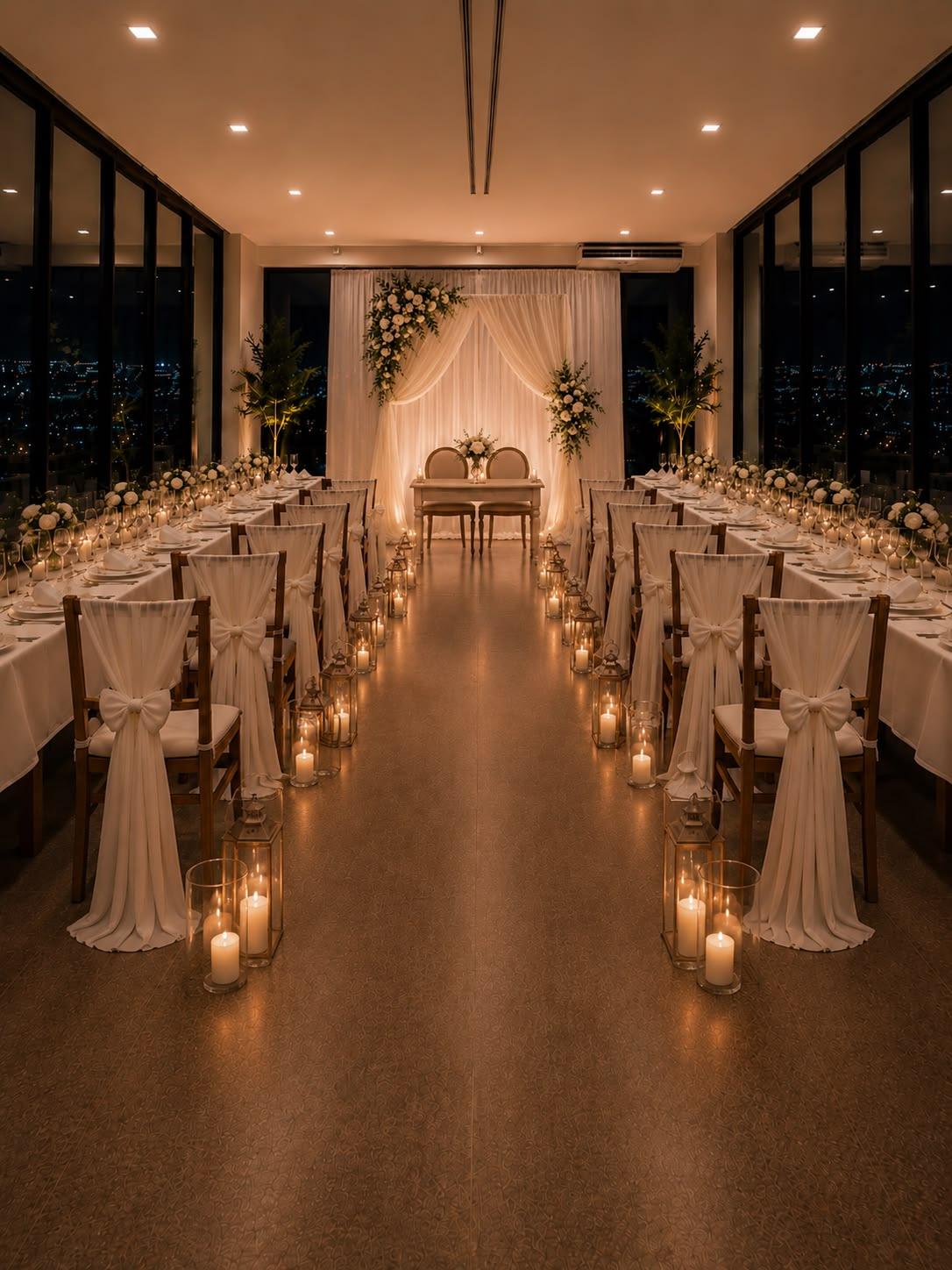

Planning an event involves many decisions, but the choice of location can influence almost every other part of the experience. The room needs to accommodate your guests, support your planned activities, and provide an environment that feels appropriate for the occasion.
Instead of selecting a venue simply because it looks attractive in photographs, it is worth examining its practical features. Knowing what makes a good event venue gives you a useful framework for comparing different spaces before making a commitment.
Start With the Purpose of Your Event
Every gathering has its own requirements. A business presentation may need reliable technology and a quiet environment, while a birthday celebration could require open floor space for activities and entertainment.
Before looking at venues, write down the basic purpose of your event. Think about the type of guests attending, the activities you have planned, the expected attendance, and how long the event will last.
This simple step can eliminate venues that do not fit your plans.
Think Beyond the Guest Count
Knowing how many people will attend is important, but the number alone does not determine whether a room is suitable.
Imagine the actual layout of your event. Will guests sit at individual tables? Will there be a buffet? Do you need a stage, presentation area, DJ setup, photo area, or space for children?
A room that appears large enough on paper may become considerably tighter once furniture and event equipment are added. Always consider usable space rather than relying only on the stated capacity.
Examine How Guests Will Move
Guest movement is an often-overlooked part of venue planning. People should be able to enter, find their seats, reach refreshments, use restrooms, and move between activities without unnecessary congestion.
For a private event venue, this can be particularly important because organizers often want greater control over the arrangement and flow of the occasion.
When touring a venue, mentally follow the journey a guest would take from the entrance to the main event area. This can reveal layout issues that are difficult to notice in photographs.
Investigate What Is Actually Included
Two venues with similar rental prices may offer very different packages.
Ask what comes with the booking. Depending on the location, the rental may or may not include furniture, cleaning, setup assistance, audio equipment, lighting, kitchen access, or other facilities.
Also ask about charges that are not immediately visible in promotional material. Setup periods, extended hours, cleaning, security, and additional equipment can affect the final cost.
Getting these details in writing makes comparing venues much easier.
Pay Attention to the Sound Environment
Acoustics matter more than many people realize. Guests should be able to hear speeches, announcements, music, and conversations without excessive background noise.
A visually impressive room can still create difficulties if sound travels poorly or becomes overwhelming when the space is full.
If possible, visit the venue while another event is taking place or ask staff about its typical sound setup. This can give you a better idea of how the room performs when occupied.
Check Lighting and Temperature
Lighting can change the appearance and mood of an event. Ask whether the venue offers adjustable lighting and whether natural light is available.
Temperature is another practical consideration. A room that feels comfortable during a short daytime visit may feel different when filled with guests.
Ask how heating, cooling, and ventilation are handled. Guest comfort should remain consistent throughout the event rather than being treated as an afterthought.
Ask About Vendor Policies
Catering, photography, decoration, entertainment, and event-planning services may involve outside professionals.
Some venues allow organizers to select their own vendors, while others have preferred-provider lists or specific restrictions.
Before booking, ask:
-
Can outside caterers be used?
-
Are decorations restricted?
-
Can an outside DJ or entertainer be hired?
-
When can vendors enter for setup?
-
Is there a designated loading area?
-
Are there rules concerning candles, hanging decorations, or equipment?
These questions can prevent conflicts later in the planning process.
Consider Accessibility
A venue should work for the entire guest list, not just the majority of attendees.
Check entrances, pathways, restrooms, parking arrangements, and other accessibility features. If someone attending the event has specific mobility requirements, confirm that the venue can accommodate them comfortably.
Accessibility is an important part of thoughtful event planning and should be checked before signing a rental agreement.
Look at the Surrounding Area
The venue itself is only part of the guest experience. Consider what event venue near me is around it as well.
Nearby hotels may be useful for guests traveling from another city. Restaurants, parking options, major roads, and transportation services can also affect convenience.
The surrounding environment may be especially relevant when an event continues into the evening or attracts guests who are unfamiliar with the area.
Ask About Setup and Cleanup
Event preparation takes time. Find out exactly when you can access the room and how much time is available for decorating, arranging furniture, testing equipment, and preparing food.
You should also understand what happens after the event. Does venue staff handle cleanup, or does the organizer need to arrange it? Are there specific departure deadlines?
Clear answers to these questions can help you build a realistic event timeline.
Visit Before Making the Final Decision
Online photographs are useful for creating a shortlist, but they cannot show everything.
During an in-person visit, inspect the condition of the facilities, entrances, restrooms, parking arrangements, lighting, seating areas, and available equipment. Pay attention to details that may not appear in promotional photographs.
It can also help to bring a written checklist so that you can compare several venues using the same criteria.
A Practical Way to Compare Venues
Rather than choosing based on one attractive feature, create a simple comparison list. You might record:
Location: Is it convenient for most guests?
Capacity: Can the space comfortably handle the expected attendance?
Facilities: Does it have the equipment and amenities you need?
Flexibility: Can you arrange the room according to your plans?
Cost: What will the complete rental actually cost?
Policies: Are vendor, decoration, timing, and cancellation rules acceptable?
Comfort: Will guests have adequate seating, temperature control, lighting, and accessibility?
This approach turns a subjective decision into a more organized planning exercise.
Finding a Venue That Fits Your Plans
The right event space should make your plans easier rather than forcing you to redesign them around the limitations of the location. That is why researching capacity, facilities, policies, accessibility, and costs is worthwhile.
When exploring event spaces, Redwood Event Center can be included among the options to investigate. Reviewing the venue's available facilities and discussing your specific event requirements directly can help you determine whether the space matches your plans.
Conclusion
So, what makes a good event venue? It is not simply an attractive interior or a convenient rental price. A suitable venue brings together practical space, guest comfort, useful facilities, clear policies, accessibility, and flexibility.
Taking a little extra time to inspect these factors can prevent common planning problems and help you select a location that genuinely suits your occasion. Whether the event is a private celebration, business gathering, family function, or another special occasion, thoughtful venue research is one of the most useful steps you can take before booking.
Further information: Click Here
