

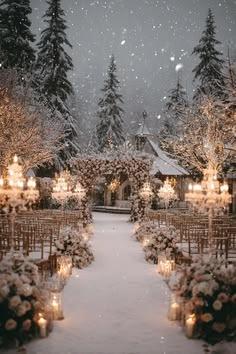

A winter wedding can create a memorable atmosphere that feels different from celebrations held during warmer months. Cooler weather, seasonal décor, warm lighting, and indoor gatherings can give a wedding a distinctive character. However, the venue needs to be selected carefully because winter conditions can affect transportation, guest comfort, photography, and event arrangements.
If you are wondering how to choose a winter wedding venue, the process should begin with more than appearance. A beautiful location is helpful, but practical features can be equally important when temperatures drop or weather conditions become unpredictable.
Why the Venue Matters for a Winter Wedding
The venue influences how comfortable guests feel throughout the celebration. During winter, an indoor space can provide protection from cold temperatures and changing weather while still allowing couples to create the atmosphere they want.
A suitable venue should have enough room for the ceremony, reception, dining, entertainment, and other activities. It should also offer practical facilities that make it easier to manage the event when outdoor conditions are less favorable.
Look for Reliable Indoor Facilities
One of the first things to investigate is the indoor environment. Ask how the building is heated and whether temperature can be adjusted according to the number of guests.
Good insulation, comfortable seating areas, and proper ventilation can make a noticeable difference during a long celebration. It is also worth checking whether entrances and waiting areas remain comfortable when guests arrive from outside.
When comparing a winter wedding venue, consider how the space will function if the weather prevents outdoor activities.
Consider Guest Accessibility
Winter weather can make travel more complicated. Rain, snow, strong winds, or icy conditions may affect how easily guests reach the celebration.
Look for a location with convenient access and suitable parking arrangements. Covered entrances can also be useful because guests do not have to stand outside for an extended period while entering the building.
If guests are traveling from other areas, nearby accommodation can be another useful factor to consider.
Think About the Venue's Layout
The layout should support the way you want the wedding to flow.
Consider where guests will enter, where the ceremony will take place, and how they will move toward the reception area. There should be enough room for dining tables, entertainment, photography, and any additional activities.
A flexible layout can be especially helpful because winter weddings often rely more heavily on indoor spaces.
Create a Warm and Inviting Atmosphere
Winter does not have to mean a dark or uncomfortable setting. The right décor can make an indoor venue feel welcoming and elegant.
Warm lighting, seasonal flowers, textured fabrics, candles where permitted, and carefully selected table décor can help establish a comfortable visual environment.
A cozy winter wedding venue does not necessarily need elaborate decorations. Even simple design choices can make the space feel intimate and inviting.
Check Photography Opportunities
Photography is an important part of many weddings, so consider both indoor and outdoor photo opportunities.
Ask whether the venue has attractive indoor areas that can be used for portraits if outdoor weather becomes unsuitable. Large windows, interesting architectural details, staircases, reception spaces, and well-lit rooms can provide different backgrounds.
If outdoor photographs are part of your plans, identify suitable areas and discuss alternative arrangements with your photographer.
Ask About Vendor Policies
Before booking, find out whether the venue allows outside vendors. This can affect your choices for catering, photography, entertainment, flowers, décor, and wedding planning.
Some venues have preferred vendors or specific requirements for outside services. Understanding these policies early can prevent unexpected limitations during the planning process.
It is also useful to ask when vendors can access the space for setup and how winter wedding much time is available before guests arrive.
Review the Complete Cost
A venue's advertised rental price does not always represent the entire expense.
Ask about deposits, cleaning charges, setup fees, overtime, equipment rental, catering requirements, and other possible costs. Request a detailed breakdown so you can compare venues using the same information.
A clear budget can also help you decide which features are essential and which optional services you can skip.
Have a Backup Plan
Even when most of the celebration is planned indoors, winter weather can affect transportation and outdoor portions of the event.
Ask the venue what happens if weather conditions change unexpectedly. Find out whether there is enough indoor space for activities originally planned outside.
Having an alternative arrangement can reduce stress because you will already know what to do if the weather does not cooperate.
Visit the Venue Before Booking
Pictures and virtual tours can help create an initial shortlist, but an in-person visit provides information that photographs cannot.
During your visit, pay attention to heating, entrances, restrooms, parking, lighting, room size, seating arrangements, and the general condition of the facilities.
Try to imagine the space with your actual guest count and wedding setup. This can help you determine whether the venue will feel comfortable once tables, decorations, entertainment equipment, and guests are added.
Questions to Ask Before Reserving
Before signing an agreement, prepare a list of questions for the venue team. For example:
-
How is the building heated during winter?
-
Is there covered guest access?
-
What happens if severe weather affects travel?
-
Can the ceremony and reception both be held indoors?
-
Are outside vendors permitted?
-
How early can vendors begin setting up?
-
Are there additional winter-related fees?
-
What indoor photography areas are available?
-
Is parking available for guests?
-
What is included in the rental package?
Getting clear answers can make the final decision much easier.
Final Thoughts
Knowing how to choose a winter wedding venue means looking beyond decoration and first impressions. Heating, accessibility, layout, guest comfort, photography options, vendor policies, pricing, and weather planning all deserve attention.
A well-planned winter wedding venue can provide a comfortable setting while giving couples plenty of opportunities to create a distinctive seasonal celebration. With careful research and an understanding of your guests' needs, you can find a space that supports both the practical and creative sides of your wedding day.
Further information: Click Here
