

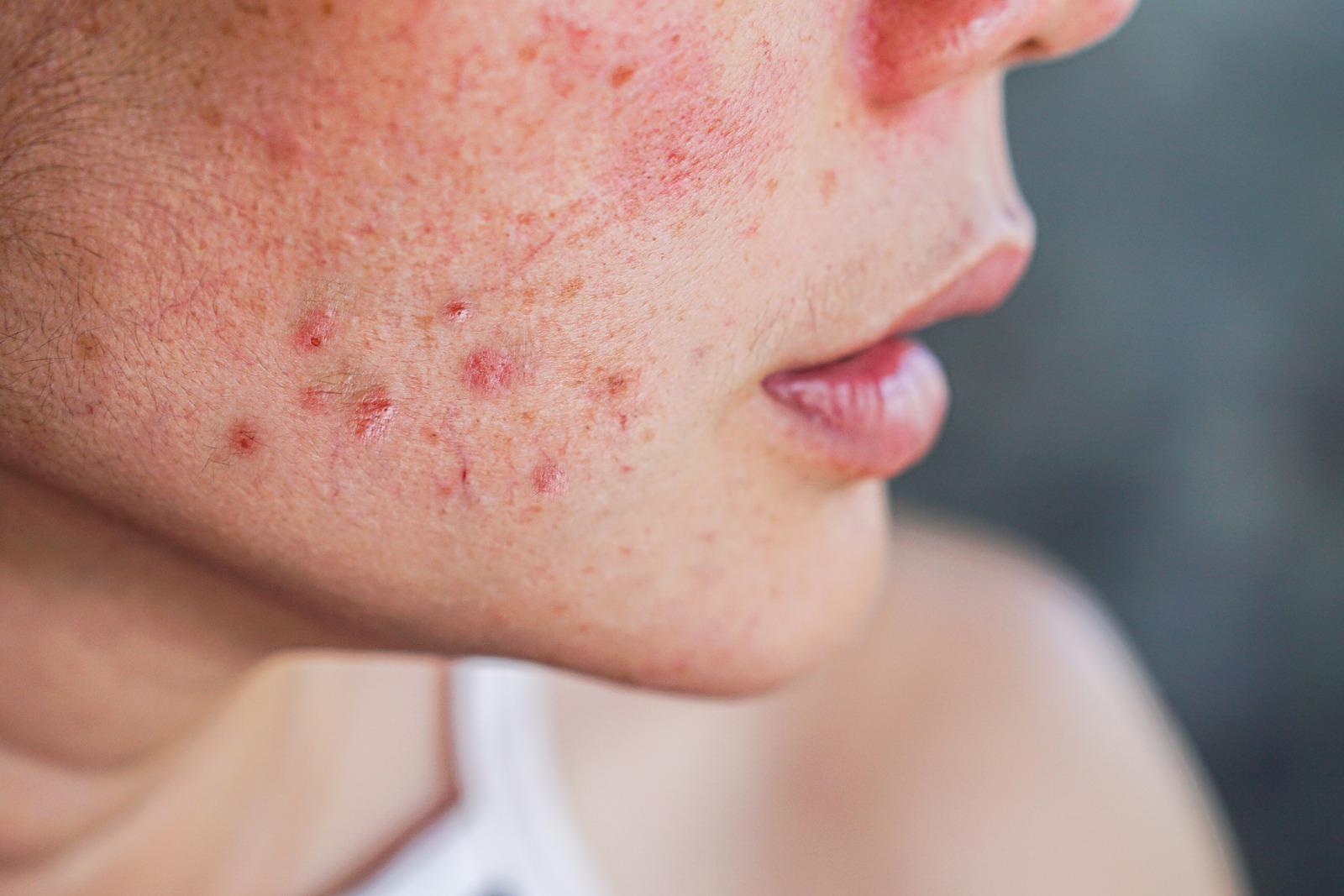
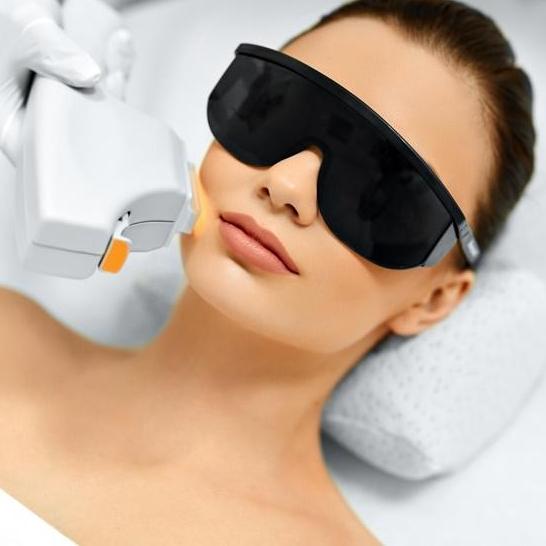
Acne can affect more than just the face. Breakouts may also appear on the chest, back, shoulders, arms, and other areas where oil, sweat, and dead skin cells can contribute to clogged pores. People searching for علاج حب الشباب في دبي often want to know whether acne treatment can address both facial and body acne. The appropriate approach depends on the type, severity, location, and underlying causes of the breakouts. A personalized treatment plan can help manage active acne while reducing the likelihood of persistent marks and scarring.
Why Does Acne Develop on the Face and Body?
Acne develops when hair follicles become blocked with oil and dead skin cells. Bacteria and inflammation can then contribute to pimples and other types of breakouts.
Excess Oil
Increased oil production can contribute to clogged pores and create conditions that encourage acne.
Dead Skin Cell Buildup
When dead skin cells accumulate inside follicles, they can contribute to congestion and breakouts.
Bacteria and Inflammation
Changes within blocked follicles can lead to inflammation and different forms of acne.
Hormonal Changes
Hormonal fluctuations can influence oil production and contribute to breakouts in both facial and body areas.
Can Acne Treatment Help Facial Acne?
Yes, acne treatment can target different forms of acne that commonly affect the face.
Forehead Acne
Breakouts on the forehead may be associated with oil, clogged pores, skincare products, or other contributing factors.
Cheek Acne
The cheeks may develop inflammatory pimples, blackheads, whiteheads, or other lesions.
Chin and Jawline Acne
Hormonal changes can sometimes contribute to recurring acne around the lower face.
Nose and T-Zone Acne
The nose and surrounding areas can become congested because of increased oil production and clogged pores.
Treatment depends on the specific type and severity of acne rather than simply its location.
Can Acne Treatment Help Body Acne?
Body acne can also be treated when appropriate.
Back Acne
Back acne, sometimes called bacne, can include blackheads, whiteheads, pimples, and deeper inflammatory lesions.
Chest Acne
Sweat, friction, oil, and blocked follicles can contribute to acne on the chest.
Shoulder Acne
The shoulders can develop breakouts, particularly when sweat and friction are involved.
Upper Arm Breakouts
Some bumps on the upper arms may resemble acne but can have other causes, so accurate assessment is important.
How Is Facial Acne Different From Body Acne?
Although the underlying acne process is similar, facial and body acne can have different contributing factors.
Skin Thickness
Body skin can differ in thickness and characteristics from facial skin.
Sweat and Friction
Tight clothing, sports equipment, backpacks, and repeated friction can contribute to body breakouts.
Product Exposure
Hair products, moisturizers, sunscreens, and body products may affect different areas of the skin.
Treatment Application
The size and location of body areas can influence how topical or professional treatments are applied.
Can Acne Treatment Help Different Types of Acne?
Treatment can be adapted according to the type of acne present.
Blackheads
Blackheads are open clogged pores that can make the skin appear uneven.
Whiteheads
Whiteheads form when clogged follicles remain closed at the surface.
Inflammatory Pimples
Red, swollen pimples can occur when inflammation develops around blocked follicles.
Pustules
Pustules contain visible pus and may require targeted acne management.
Nodules and Cysts
Deep, painful lesions can increase the risk of scarring and may require professional dermatological care.
Can Acne Treatment Reduce Breakouts on the Back?
Back acne can be particularly persistent because the area is exposed to sweat, friction, and products.
Regular Cleansing
Keeping the skin clean can help remove sweat, oil, and buildup.
Suitable Products
Acne-friendly body products may help manage clogged pores.
Reducing Friction
Loose, breathable clothing may reduce irritation caused by repeated rubbing.
Professional Treatment
Persistent or severe back acne may require a structured treatment plan.
Can Acne Treatment Help Chest Acne?
Chest acne may develop when oil, sweat, and dead skin cells contribute to clogged follicles.
Managing Sweat
Changing out of sweaty clothing can help reduce prolonged moisture and irritation.
Avoiding Heavy Products
Some thick or oily body products may contribute to congestion in acne-prone areas.
Gentle Skin Care
Harsh scrubbing can irritate inflamed skin and may make breakouts more difficult to manage.
Consistent Treatment
Regular acne management can help control recurring chest breakouts.
Can Acne Treatment Prevent Acne Scars?
Managing acne early can help reduce the risk of lasting marks and scars.
Avoid Picking
Squeezing or scratching pimples can increase inflammation and may contribute to scarring.
Treat Deep Acne
Severe inflammatory acne can carry a greater risk of permanent scars.
Control Recurring Breakouts
Reducing repeated inflammation can help protect the skin from ongoing damage.
Address Existing Scars Separately
Established acne scars may require treatments specifically designed for scar improvement.
Can Acne Treatment Improve Skin Texture?
Acne can affect the texture and overall appearance of the skin.
Reduce Congestion
Managing clogged pores can help create a smoother-looking surface.
Control Inflammation
Reducing active inflammatory lesions can make the complexion appear more even.
Address Excess Oil
Balanced oil production may reduce the conditions that contribute to congestion.
Support Skin Renewal
Appropriate treatment and skincare can support healthier-looking skin over time.
Is Acne Treatment Suitable for Sensitive Skin?
People with sensitive skin may still be able to receive acne treatment, but the approach should be carefully selected.
Avoid Excessive Irritation
Using too many strong products can damage the skin barrier.
Start Gradually
Some treatments may need to be introduced gradually depending on skin tolerance.
Monitor Reactions
Persistent burning, excessive peeling, or worsening redness should be discussed with a professional.
Customize Treatment
The treatment approach should reflect the individual's skin sensitivity and acne severity.
Can Lifestyle Factors Affect Facial and Body Acne?
Daily habits can influence acne management.
Sweat
Sweat that remains on the skin for long periods can contribute to irritation and congestion.
Clothing
Tight or non-breathable clothing can increase friction and moisture.
Skincare Products
Heavy or unsuitable products may contribute to clogged pores in some individuals.
Hair Products
Products that come into contact with the forehead, back, shoulders, or neck may sometimes contribute to breakouts.
When Should You Seek Professional Acne Treatment?
Some types of acne may benefit from professional evaluation.
Persistent Breakouts
Acne that continues despite consistent skincare may require a more structured approach.
Painful Lesions
Deep or painful pimples can increase the risk of scarring.
Widespread Body Acne
Breakouts covering large areas of the chest, back, or shoulders may be difficult to manage without professional guidance.
Acne Scarring
Existing scars or repeated dark marks may indicate that acne requires better control.
Sudden Adult Acne
New or unusually persistent acne in adulthood may warrant an assessment of possible contributing factors.
What Should Be Considered Before Treatment?
An effective acne plan begins with understanding the individual's skin.
Acne Type
The provider should identify whether the acne consists primarily of comedones, inflammatory lesions, nodules, or another condition.
Treatment Location
The face and body may require different product formulations or treatment approaches.
Skin Sensitivity
Sensitivity and previous reactions should be considered.
Medical History
Medications, health conditions, and previous acne treatments can influence recommendations.
Personal Goals
Some people primarily want fewer breakouts, while others are more concerned about marks, scars, or uneven texture.
Checkpoint: Can Acne Treatment Address Face and Body Acne?
Acne treatment can be used to manage breakouts in different areas when the treatment is appropriate for the specific condition.
Facial Acne
Treatment may address blackheads, whiteheads, pimples, and inflammatory acne.
Back Acne
Professional care can help manage recurring back breakouts.
Chest Acne
Treatment can target congestion and inflammatory lesions on the chest.
Shoulder Acne
Recurring shoulder acne can be evaluated and managed.
Other Body Areas
Breakouts in other areas should be assessed to confirm that they are actually acne rather than another skin condition.
Personalized Acne Treatment Planning
There is no single acne treatment that works identically for every person. Facial acne and body acne can have different triggers and may require different treatment strategies.
A professional assessment can identify the type of acne, its severity, the affected areas, skin sensitivity, previous treatment history, and any factors that may be contributing to recurring breakouts. This can help create a plan focused on controlling active acne while also reducing the risk of marks and scarring.
Body acne may also require practical changes such as reducing friction, managing sweat, choosing suitable clothing, and using products appropriate for acne-prone skin. When acne is severe, persistent, painful, or widespread, professional evaluation can help determine whether stronger or more structured treatment is appropriate.
How Can You Support Acne Treatment at Home?
Professional treatment can often be supported by consistent daily habits.
Cleanse Gently
Use a suitable cleanser without aggressive scrubbing.
Avoid Picking
Leave pimples alone rather than squeezing or scratching them.
Shower After Sweating
Cleansing the skin after exercise or heavy sweating can help remove sweat and buildup.
Choose Non-Comedogenic Products
Products labeled non-comedogenic may be preferable for acne-prone skin.
Change Clothing Regularly
Fresh, breathable clothing can help reduce prolonged exposure to sweat and friction.
Stay Consistent
Acne management often requires patience and regular treatment rather than frequent changes in products.
Conclusion
Acne treatment can help manage breakouts on both the face and body when the approach is matched to the individual's skin condition. Facial acne may affect areas such as the forehead, cheeks, chin, jawline, and nose, while body acne commonly occurs on the back, chest, shoulders, and other areas where sweat, oil, and friction can contribute to clogged follicles. The type and severity of acne are important when selecting treatment. Blackheads and whiteheads may require different management from inflammatory pimples, pustules, nodules, or cysts. Deep and persistent acne deserves particular attention because it can increase the risk of lasting marks and scars.
