

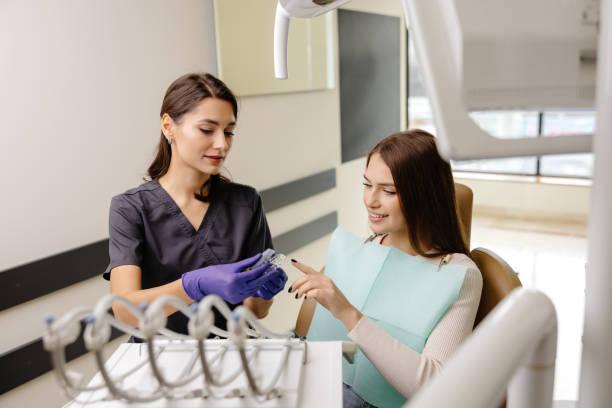

For patients researching Clear Aligners Dubai, understanding whether this orthodontic option matches their dental needs is an important first step. Clear aligners are transparent, removable trays designed to gradually move teeth into planned positions. They can be suitable for several common alignment concerns, but they are not the right choice for every patient.
A professional dental assessment is necessary before starting. The condition of the teeth, gums, bite, existing restorations, and overall oral health can all influence whether clear aligners are appropriate.
Dental Concerns Clear Aligners May Address
Clear aligners can be used for certain cases involving crowded teeth, gaps between teeth, rotated teeth, and some bite irregularities. The complexity of the concern determines whether aligners can provide the required tooth movement.
Mild to moderate alignment concerns are often more straightforward to manage, while complex cases may require a different orthodontic approach. A dental professional can explain the available options after examining the patient's specific condition.
The Importance of Healthy Teeth and Gums
Good oral health is an important foundation for orthodontic care. Cavities, gum inflammation, or other untreated dental problems may need attention before clear aligners are introduced.
Keeping the teeth and gums healthy throughout the process is equally important. Regular brushing, cleaning between the teeth, and professional dental checkups can help maintain oral health while the teeth are gradually moving.
Dental Clinic: Assessing Your Suitability
A Dental Clinic can evaluate whether clear aligners are appropriate for your individual needs. The assessment may include an examination of tooth alignment, bite, gum health, and jaw relationship.
Digital scans, photographs, and other diagnostic records may also be used to create a detailed view of the teeth. Based on these findings, the dental team can explain the expected process, estimated stages, and other suitable orthodontic options.
Commitment to Regular Wear
Clear aligners are removable, which provides convenience but also requires patient responsibility. The trays need to be worn according to the schedule recommended by the dental professional.
Patients who frequently remove their aligners or leave them out for long periods may not progress according to the original plan. Developing a consistent routine can make it easier to maintain the recommended daily wear.
Your Lifestyle and Daily Routine
Clear aligners can fit into many everyday routines because they can generally be removed for meals and oral hygiene. This makes them convenient for people who want flexibility during work, school, travel, or social activities.
However, patients should remember to store the trays safely whenever they are removed. Keeping an aligner case available can reduce the risk of accidental loss or damage.
Eating and Drinking Considerations
Clear aligners are generally taken out before eating. This allows patients to enjoy their meals without food becoming trapped between the trays and teeth.
After eating, cleaning the teeth before replacing the aligners is helpful for maintaining oral hygiene. Water is typically the simplest beverage while wearing the trays, while other drinks may require removal of the aligners depending on professional instructions.
Understanding the Time Commitment
The length of clear aligner care varies from one patient to another. Factors such as tooth movement, crowding, spacing, bite concerns, and consistency of wear can influence the overall timeline.
Patients should avoid comparing their expected duration with someone else's experience. Every alignment plan is customized, and regular professional monitoring helps determine how the teeth are progressing.
What If Clear Aligners Are Not Suitable?
Not being a suitable candidate for clear aligners does not necessarily mean orthodontic care is impossible. Traditional braces or other orthodontic appliances may be considered depending on the patient's dental condition.
The most appropriate option depends on the type and complexity of the tooth movement required. A professional consultation allows patients to understand the alternatives rather than selecting an option based only on appearance.
Maintaining Results After Alignment
Once the planned tooth movement is completed, retainers may be recommended to help keep the teeth in their new positions. Teeth can naturally shift over time, making retention an important part of maintaining alignment.
Patients should follow the recommended retainer schedule and continue routine dental care. Healthy oral hygiene habits can support both the teeth and gums after the active alignment stage.
Questions to Discuss Before Starting
Patients may want to understand how many aligners could be required, how often appointments are needed, what daily wear is expected, and how oral hygiene should be maintained. Discussing these details beforehand can make the process easier to manage.
It is also useful to ask about possible limitations, expected changes, and what happens if an aligner is lost or damaged. Clear communication with the dental team helps ensure that expectations remain realistic.
Final Thoughts
Clear Aligners can be a practical orthodontic option for patients whose dental concerns can be managed with removable trays. Suitability depends on individual tooth alignment, bite, oral health, and the level of movement required. A professional assessment, consistent daily wear, proper hygiene, and regular monitoring can help patients make informed decisions and maintain healthy dental habits.
