

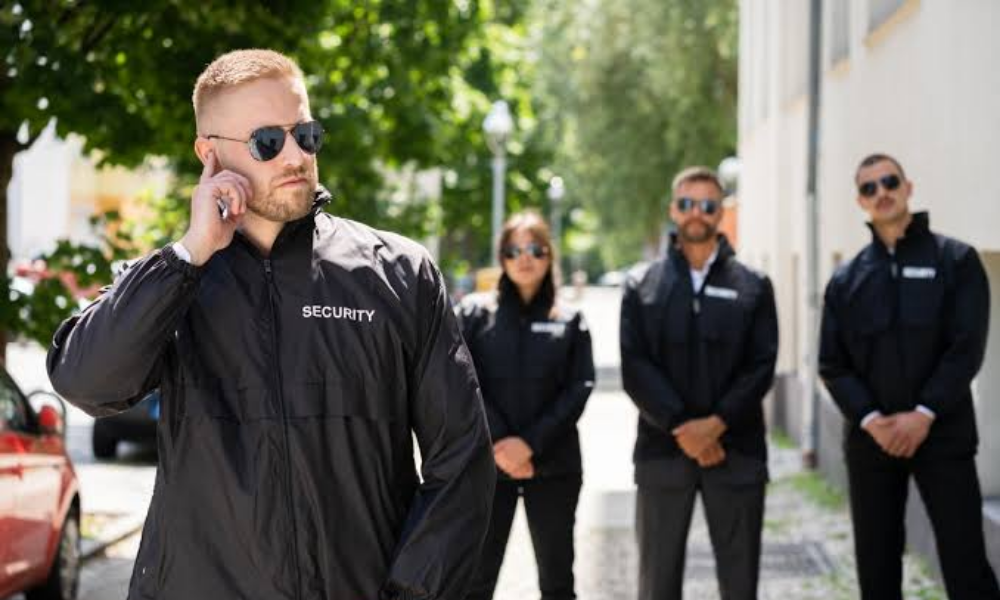

London businesses operate across a wide range of environments, from offices and retail premises to warehouses, construction sites and commercial buildings. Each setting can face different security concerns, including theft, unauthorised access, vandalism, workplace conflict and property damage. As a result, businesses increasingly need security arrangements that reflect their specific premises, operating hours and potential risks.
A security services company can provide a combination of personnel, monitoring, access control and incident-response measures to help businesses manage these risks. Current Security Industry Authority (SIA) guidance recognises activities such as security guarding, CCTV, key holding and door supervision as regulated areas where licensing requirements can apply.
Security Guards for Visible Protection
One of the most established security solutions for London businesses is manned guarding. A trained security officer can provide a visible presence at entrances, reception areas, car parks, warehouses and other vulnerable parts of a property. This presence can discourage opportunistic criminal activity while also giving employees and visitors a clear point of contact when security concerns arise.
Security guards can also carry out routine patrols and monitor changes around the premises. Their responsibilities may include checking restricted areas, observing unusual behaviour, recording incidents and following site-specific procedures. The SIA identifies private security as having an important role in disrupting crime, protecting property and preventing unauthorised access.
Access Control and Visitor Management
Controlling who enters a commercial property is an important part of business security. Unauthorised individuals gaining access can create risks involving theft, damage, sensitive information and employee safety. Security personnel can monitor entrances, check identification and support visitor-management procedures according to the requirements of a site.
Access control can be particularly useful for offices, warehouses, construction projects and properties containing valuable equipment. A security officer can also identify unusual access attempts and report concerns to the appropriate member of management. Where security guarding falls within a licensable activity, the SIA requires the relevant front-line security licence.
CCTV Monitoring and Surveillance
CCTV is another important component of modern business security. Cameras can provide continuous visual coverage of entrances, corridors, external areas, storage spaces and other locations where security incidents could occur. Recorded footage may also assist with reviewing incidents after they take place.
However, CCTV can be more effective when combined with appropriate human oversight. A trained security professional can monitor cameras, recognise unusual activity and follow established procedures when an incident is detected. The SIA's licensing framework includes public space surveillance using CCTV as a regulated security activity requiring the appropriate licence where the relevant conditions apply.
Key Holding and Alarm Response
Key holding services can provide businesses with an additional layer of protection outside normal working hours. Instead of relying solely on employees to respond when an alarm is activated, businesses can arrange for an appropriate security service to manage keys and follow agreed response procedures.
This can be useful for offices, retail premises, industrial units and other commercial properties that remain unoccupied overnight. Key holding is one of the security activities recognised by the SIA, although whether an activity requires a particular licence depends on the circumstances and how the service is carried out.
Protecting Employees and Visitors
Business security is not limited to protecting buildings and equipment. Employees, customers, contractors and visitors can also be exposed to risks from aggressive behaviour, unauthorised individuals or other workplace incidents. Security personnel can provide an additional presence and follow procedures designed to support safer working environments.
The Health and Safety Executive recommends assessing workplace violence risks and selecting appropriate controls based on the circumstances. Depending on the risk assessment, controls can include measures such as trained security personnel, CCTV, alarms, lighting and appropriate staffing arrangements.
Security for Retail and Commercial Premises
Retail businesses may face particular security challenges because members of the public regularly enter and leave the premises. Security arrangements can therefore involve monitoring entrances, observing customer areas, supporting staff during incidents and helping deter theft or antisocial behaviour.
For offices and commercial buildings, security may focus more heavily on access control, reception management, visitor identification and protection of restricted areas. The right combination depends on the type of property and its operating environment rather than following a single approach for every business.
Choosing a Security Company in London
Businesses looking for security services should consider whether a security company in london can provide solutions that match the risks and requirements of the individual site. Relevant considerations can include staff licensing, training, supervision, experience with similar premises, incident reporting procedures and the ability to maintain reliable security coverage.
The SIA provides a public register that allows businesses to check approved contractors and verify security licences. Its Approved Contractor Scheme is voluntary, and the regulator has also stated that it is developing a new Business Approval Scheme as part of wider changes to business standards in the private security sector.
Integrated Security Solutions
Modern business security often involves combining several measures rather than depending on a single service. Manned guarding can work alongside CCTV, access control, alarms, lighting, visitor-management systems and clear reporting procedures. This approach can allow businesses to address different types of risk across the same premises.
For example, CCTV can provide surveillance across a large site while security officers respond to issues that require human judgement. Access-control systems can restrict entry while guards manage visitors and investigate unusual activity. Combining different measures can create a more structured security environment.
Incident Reporting and Security Reviews
Effective security also depends on accurate reporting. Security personnel may record incidents, suspicious activity, access problems and other relevant events. These records can help management understand recurring issues and identify areas where existing security measures may need adjustment.
Regular reviews are particularly important when a business changes premises, expands operations, introduces new equipment or experiences a change in its risk profile. Reviewing incidents and security procedures allows businesses to consider whether current arrangements remain appropriate rather than relying on assumptions made when the original security plan was introduced.
Building a Risk-Based Security Strategy
There is no universal security package that suits every London business. A small office may require different measures from a warehouse, retail property, construction site or large commercial complex. Businesses should therefore begin by identifying potential threats, vulnerable areas, operating patterns and the consequences of security incidents.
A risk-based approach can then help determine which combination of guarding, CCTV, access control, key holding, patrols and other measures is appropriate. Professional security should form part of a wider business protection strategy, with responsibilities and procedures clearly communicated to staff and relevant service providers.
Conclusion
Security services can support London businesses by combining trained personnel with technology, access controls, monitoring and structured incident procedures. Security guards can provide a visible presence, while CCTV, alarms and access systems can extend protection across different parts of a property.
The most suitable arrangements depend on the individual business, its premises and its identified risks. By assessing those requirements carefully and checking relevant SIA licensing and contractor information, businesses can develop security arrangements that are structured, proportionate and aligned with their day-to-day operations.
