

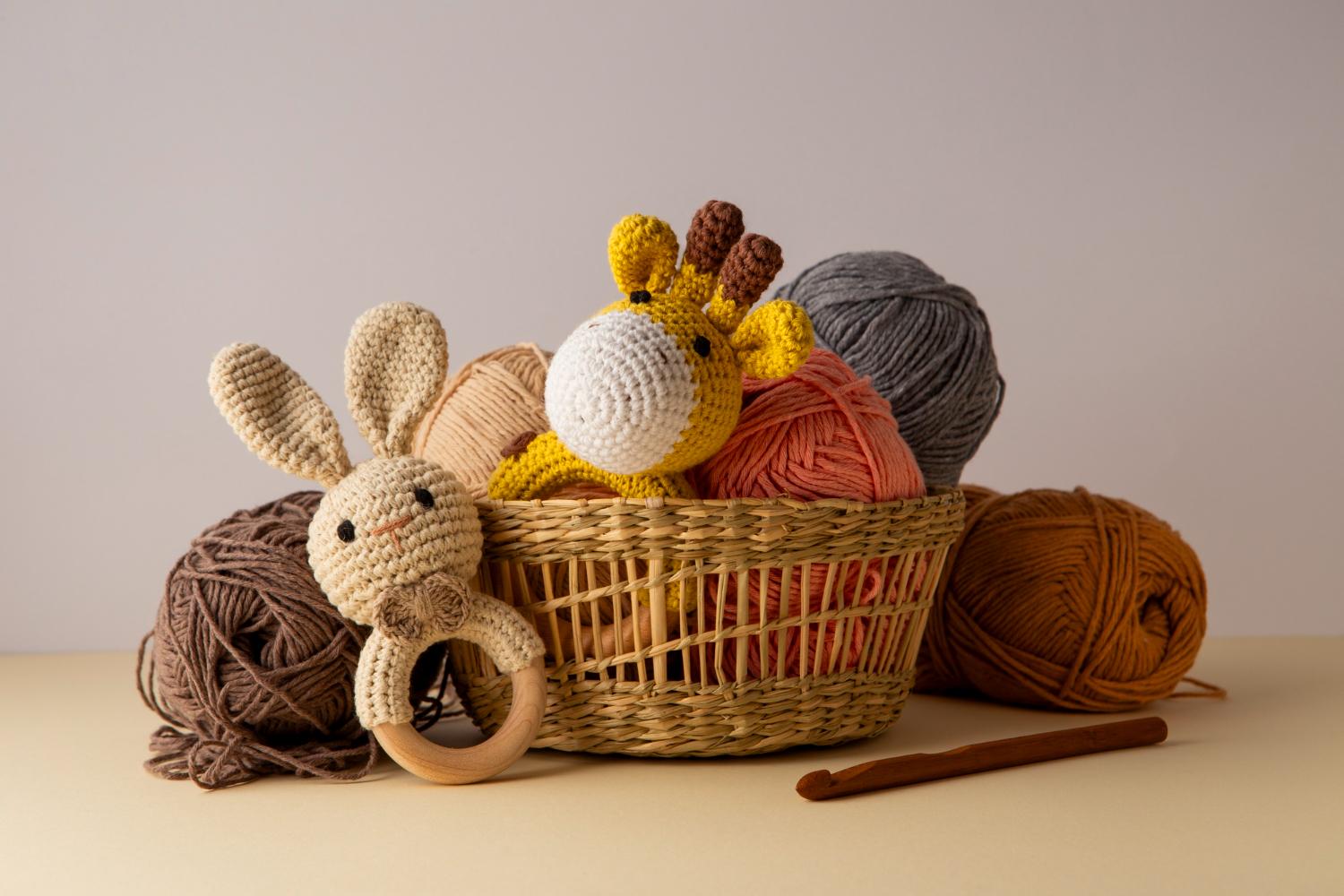
Knitting Patterns Knitting: A Practical Guide to Choosing and Using Patterns

Knitting patterns knitting provides a structured way for knitters to create garments, accessories, home décor, and other handmade projects. A knitting pattern acts as a set of instructions that explains how a project should be constructed, including the yarn type, needle size, stitch techniques, measurements, and finishing details. For beginners and experienced knitters alike, understanding how knitting patterns work can make the knitting process more organized and predictable.
Understanding Knitting Patterns
Knitting patterns contain instructions that guide a knitter from the first stitch to the completed project. Most patterns begin with basic information about the finished item, recommended materials, sizing, gauge, and abbreviations. The instructions then describe how stitches should be cast on, worked across rows or rounds, shaped, and finished.
Knitting patterns can vary considerably in complexity. Simple patterns may use only knit and purl stitches, while more advanced patterns can include cables, lace, colorwork, shaping, or combinations of several techniques. The structure of a pattern often reflects the intended skill level and the construction of the finished piece.
Types of Knitting Patterns
Different types of knitting patterns are available for different project goals. Garment patterns commonly include sweaters, cardigans, scarves, hats, socks, and mittens. Home projects can include blankets, cushions, baskets, and decorative pieces.
Some patterns are worked flat, meaning the knitted fabric is created by working back and forth across rows. Others are worked in the round, which creates a continuous tube and is frequently used for hats, socks, and some sweaters.
Knitting patterns may also differ according to construction. Some garments are made in separate pieces that are later seamed together, while others are knitted in one piece or assembled with minimal sewing. Understanding the construction method helps knitters determine which techniques will be required.
Reading Knitting Patterns
Reading a knitting pattern requires familiarity with common terminology and abbreviations. Terms such as knit, purl, cast on, bind off, increase, and decrease appear frequently. Patterns may also use abbreviations to make repeated instructions shorter.
Many patterns include symbols or written instructions for stitch combinations. A chart may represent each stitch with a specific symbol, allowing the knitter to visualize how a design develops. Written instructions provide the same type of information in sentence or abbreviation form.
Before beginning, a knitter generally reviews the entire pattern. This can reveal special techniques, repeated sections, construction steps, and finishing requirements that may not be obvious from the first few instructions.
The Importance of Gauge
Gauge is one of the most important elements in knitting patterns. It describes the number of stitches and rows produced within a specific measurement. A knitter's gauge can differ because of yarn tension, needle size, knitting style, or yarn characteristics.
A gauge swatch allows the knitter to compare the actual fabric with the gauge specified by the pattern. If the knitted fabric contains too many stitches within the measured area, larger needles may be needed. If it contains too few stitches, smaller needles may be appropriate.
For fitted garments, achieving the correct gauge is especially important because differences can significantly affect the finished measurements.
Choosing Yarn and Needles
Knitting patterns typically identify a recommended yarn weight and needle size. Yarn weight ranges from very fine yarns to bulky and super-bulky options. The selected yarn affects the appearance, texture, warmth, and drape of the finished project.
Although a pattern may specify a particular yarn, knitters can sometimes use another yarn with similar characteristics. The substitute should generally provide a comparable gauge and fabric structure. Fiber content also matters because wool, cotton, acrylic, alpaca, and blended yarns can behave differently during knitting and washing.
Needle type can also influence the knitting experience. Straight needles, circular needles, and double-pointed needles are used for different techniques and project constructions.
Knitting Patterns for Different Skill Levels
Beginner knitting patterns often focus on straightforward stitch combinations and simple shapes. Scarves, basic dishcloths, and uncomplicated hats can provide opportunities to practice foundational techniques.
Intermediate patterns may introduce shaping, textured stitches, color changes, or more detailed construction. Advanced patterns can involve complex lace, intricate cables, stranded colorwork, or sophisticated garment shaping.
Selecting a pattern that matches the knitter's current skills can help reduce unnecessary difficulty. A pattern that introduces one new technique at a time can also provide a practical way to develop knitting abilities.
Following Pattern Instructions Accurately
Accuracy is important when working with knitting patterns. Counting stitches and rows regularly can help identify mistakes before they affect larger sections of the project. Markers can be used to separate pattern repeats or indicate important points such as sleeve placement or shaping.
When a pattern contains repeated instructions, careful attention to punctuation and parentheses can prevent misinterpretation. Keeping track of completed rows or rounds can also make it easier to resume a project after a break.
Conclusion
Knitting patterns knitting provide a practical framework for creating a wide range of handmade projects. By understanding pattern terminology, checking gauge, selecting appropriate yarn and needles, and following instructions carefully, knitters can approach projects with greater clarity. Whether a pattern involves basic stitches or advanced techniques, its instructions provide the structure needed to turn individual stitches into a completed knitted piece.
