

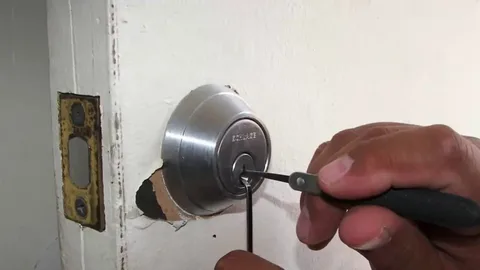

Lock change Dubai services can be useful when a door lock becomes unreliable, access needs to change, or the existing hardware no longer suits the property. A lock does not always fail suddenly. In many cases, there are warning signs before a complete failure occurs.
Knowing when a lock should be changed can help you deal with the problem before it becomes an access or security inconvenience.
1. Your Key No Longer Works Smoothly
A key that suddenly becomes difficult to insert, turn, or remove can indicate a problem with the lock.
Sometimes the key itself is worn or damaged. In other cases, the internal mechanism may be worn.
If the problem continues with a properly working spare key, the lock may need inspection.
Avoid repeatedly forcing the key because it could break inside the cylinder.
2. The Lock Is Showing Visible Damage
Look closely at the lock, cylinder, handle, and surrounding hardware.
Signs such as cracks, bent components, loose fittings, or damaged cylinders can indicate that the lock is no longer operating as intended.
Minor hardware issues may be repairable, but significant damage may make replacement more practical.
The condition of the door and frame should also be checked before installing a new lock.
3. You Have Lost a Key
A lost key can create uncertainty about who may have access to your property.
This is particularly relevant when the key was lost together with something that identifies your address.
Depending on the lock type, rekeying may be possible instead of replacing the entire lock.
A locksmith can assess the existing system and explain which option is suitable.
4. Someone Who Had a Key No Longer Needs Access
Homes and businesses often have keys distributed among family members, employees, tenants, contractors, or other authorized users.
When access requirements change, simply collecting one key may not account for duplicate copies.
Changing or rekeying the lock can provide a clearer way to reset access.
This can be especially useful after moving into a new property or changing tenants.
5. The Lock Keeps Getting Stuck
A lock that repeatedly jams should not be ignored.
You may notice that the key turns only when pressure is applied to the door or that the lock becomes difficult to operate at certain times.
The problem may be caused by door alignment rather than the lock itself.
Before replacing the cylinder, check whether the door closes correctly and whether the latch lines up with the strike plate.
If the surrounding hardware is working properly but the lock continues to stick, replacement may be appropriate.
6. Your Door Has Been Damaged
Damage to a door can affect the way its lock operates.
A forced-entry attempt, impact, or damaged frame can change the position of the locking components.
In this situation, installing a new lock without checking the door may not solve the underlying problem.
The frame, hinges, strike area, and locking points should be inspected as part of the repair.
7. You Are Upgrading the Door Hardware
A lock change does not always happen because something is broken.
You may be renovating a property or replacing older door hardware.
A new lock can be selected to suit the door's design and the way the property is used.
For aluminium entrances, compatibility is particularly important. An aluminium door lock should match the door profile and existing configuration rather than being selected only by appearance.
8. You Want to Change Access Without Replacing the Door
Changing a lock does not necessarily mean changing the entire door.
In many situations, the existing door can remain in place while the locking hardware or cylinder is replaced.
This can be useful when the door itself is still in good condition.
Before work begins, confirm which part of the locking system needs to be changed and whether the existing door preparation can accommodate the replacement.
Should You Repair or Replace the Lock?
The answer depends on the condition of the mechanism.
A minor issue may be resolved through adjustment or repair.
Replacement may make more sense when the lock has significant internal damage, repeatedly fails, or no longer meets the property's access requirements.
A professional inspection can help determine whether the problem is with the lock itself or another part of the door.
What to Check Before a Lock Change
Before replacing a lock, consider:
- The type of door
- The existing lock mechanism
- The number of people who need access
- Whether keys have been lost
- The condition of the door frame
- Whether the door closes correctly
- Whether the new lock is compatible
Providing these details can make it easier to identify an appropriate replacement.
Test the New Lock Before Leaving
After a lock has been changed, test it several times.
Check the key from both sides where applicable.
Make sure the door closes properly and that the latch or deadbolt engages without excessive force.
Do not wait until you are locked outside to discover that the new lock is difficult to operate.
If the door has multiple locking points, check each one carefully.
Final Thoughts
A lock may need changing because of damage, lost keys, repeated problems, changing access requirements, or a property upgrade.
Before replacing it, make sure the problem is actually with the lock and not with the door, frame, hinges, or alignment.
For lock change Dubai services, choosing compatible hardware and checking the complete door can help avoid unnecessary problems.
A properly installed lock should operate smoothly, secure the door correctly, and suit the way the property is used.
