

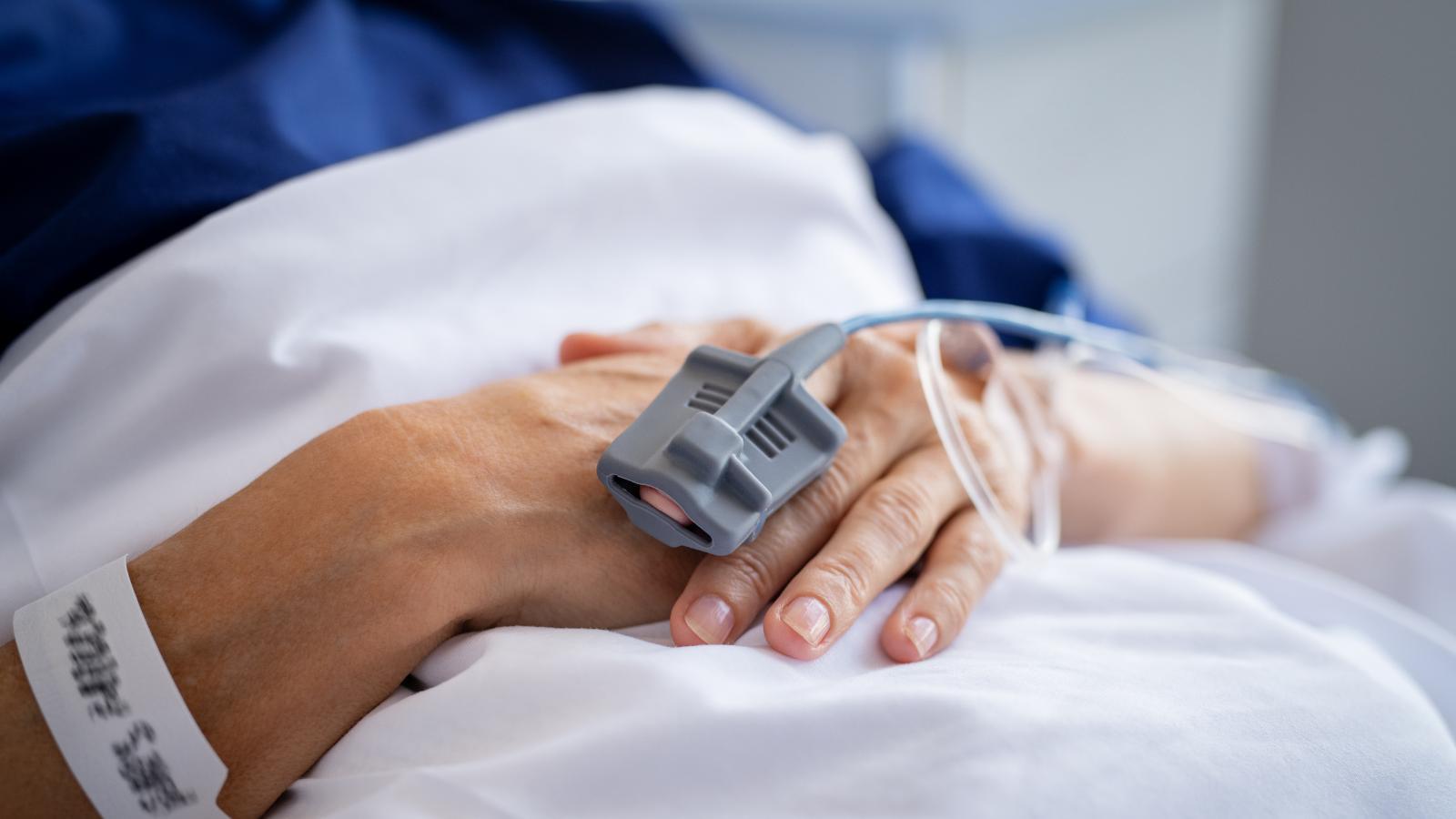

Healthcare appointments can sometimes be difficult to fit into a busy routine, especially when travel and waiting times are involved. IV Drip at Home services provide an option for eligible patients to receive intravenous treatment in a comfortable home setting. The process is handled by a qualified healthcare professional who can assess the patient, prepare the necessary equipment, administer the infusion, and provide appropriate aftercare guidance.
For individuals who require medical evaluation before receiving an infusion, Doctor at home in Dubai services can provide convenient access to professional healthcare at home. A doctor can review relevant health information and determine whether IV therapy is appropriate. This assessment is important because the suitability of intravenous treatment depends on the individual's medical needs, health history, medications, and overall condition.
Understanding the IV Drip Process
An IV drip delivers fluids or other prescribed substances directly into a vein through an intravenous catheter. The solution is administered gradually through an IV line at a controlled rate. Because the procedure involves accessing a vein, it should be performed by a trained healthcare professional using suitable equipment and infection-control practices.
The exact contents of an IV infusion can vary depending on the treatment prescribed. Some infusions may involve fluids or electrolytes, while others may contain medically indicated substances. Patients should discuss the contents and purpose of their treatment with the healthcare professional before the infusion begins.
Before Your IV Drip Appointment
Preparation usually begins with a health assessment. The healthcare professional may ask about existing medical conditions, current symptoms, allergies, medications, previous reactions, and any other information that could affect treatment.
Providing accurate information is important because it helps the professional determine whether the planned infusion is appropriate. Patients should also mention any concerns they have about needles, previous IV experiences, or unusual symptoms.
The treatment area should be reasonably clean and comfortable. Having a suitable place to sit or recline can make the appointment more convenient while allowing the healthcare professional enough space to work safely.
What Happens When the Professional Arrives?
When the healthcare professional arrives, they will generally confirm the patient's information and review the planned treatment. They may also perform relevant checks before beginning the procedure.
The professional then prepares the equipment and explains the steps involved. This gives the patient an opportunity to ask questions about the infusion, expected duration, possible discomfort, and aftercare.
A professional approach helps ensure that convenience does not replace proper clinical procedures.
IV Catheter Placement
The healthcare professional selects an appropriate vein, usually in the hand or arm, and cleans the area before inserting the IV catheter. The insertion may cause a short-lived pinching sensation or mild discomfort.
Once the catheter is correctly positioned, it is connected to the IV line. The professional checks the connection and begins the infusion according to the prescribed instructions.
Patients should tell the healthcare professional if they experience significant pain, burning, swelling, or other unusual sensations around the IV site.
During the IV Infusion
During an IV Drip at Home appointment, the infusion is delivered at a controlled rate. The healthcare professional may monitor the patient and observe the IV insertion site throughout the treatment.
Patients can generally remain seated or comfortably positioned while the infusion takes place. However, they should avoid interfering with the IV equipment or attempting to adjust the infusion rate themselves.
If dizziness, unusual discomfort, difficulty breathing, swelling, or another unexpected symptom develops, the patient should immediately inform the healthcare professional so the situation can be assessed.
How Long Will the Treatment Take?
There is no fixed duration for every IV treatment. The length of an infusion depends on factors such as the type and volume of the solution, the prescribed infusion rate, and the patient's individual circumstances.
Before beginning treatment, patients can ask the healthcare professional how long the appointment is expected to take. Knowing the approximate duration can make it easier to organize work, appointments, family responsibilities, or other activities.
After the IV Treatment
Once the infusion has finished, the healthcare professional removes the IV catheter and checks the insertion site. A small dressing may be placed over the area.
The professional may provide instructions regarding normal activities and what to watch for after the procedure. Patients should follow these instructions and seek appropriate medical advice if concerning symptoms develop.
Mild tenderness around the insertion site can occur after an IV, but persistent pain, significant swelling, increasing redness, or other unusual symptoms should be discussed with a healthcare professional.
Safety Matters With Home IV Therapy
Receiving treatment at home does not eliminate the need for medical safety procedures. IV therapy should be provided by appropriately trained professionals who understand intravenous administration, infection prevention, equipment handling, and patient monitoring.
Patients should choose a service that clearly explains the treatment and does not make unsupported promises about what an infusion can accomplish. The type of IV therapy should be based on appropriate medical assessment rather than general advertising claims.
People with certain health conditions or other medical considerations may not be suitable for specific IV treatments. Professional evaluation should therefore take place before an infusion is arranged.
Choosing a Professional IV Service
When considering home IV therapy, patients should look for a provider that prioritizes qualified healthcare staff and appropriate clinical procedures. Clear communication is also important. The provider should be able to explain what will be administered, why it has been recommended, how the procedure works, and what aftercare may be required.
A professional service should also have procedures for responding to unexpected reactions during treatment. This provides an additional level of safety for patients receiving intravenous care outside a traditional healthcare facility.
Is IV Drip at Home Right for You?
Home IV therapy can be convenient for eligible patients who have an appropriate medical reason for intravenous treatment and prefer receiving care in their own surroundings. However, convenience alone does not determine whether an IV infusion is suitable.
A qualified healthcare professional should assess individual circumstances before treatment. Patients should also understand what their infusion contains and why it has been recommended.
With appropriate assessment, professional administration, monitoring, and aftercare, IV Drip at Home can provide a practical way for suitable patients to receive certain intravenous treatments without making an unnecessary trip to a clinic.
