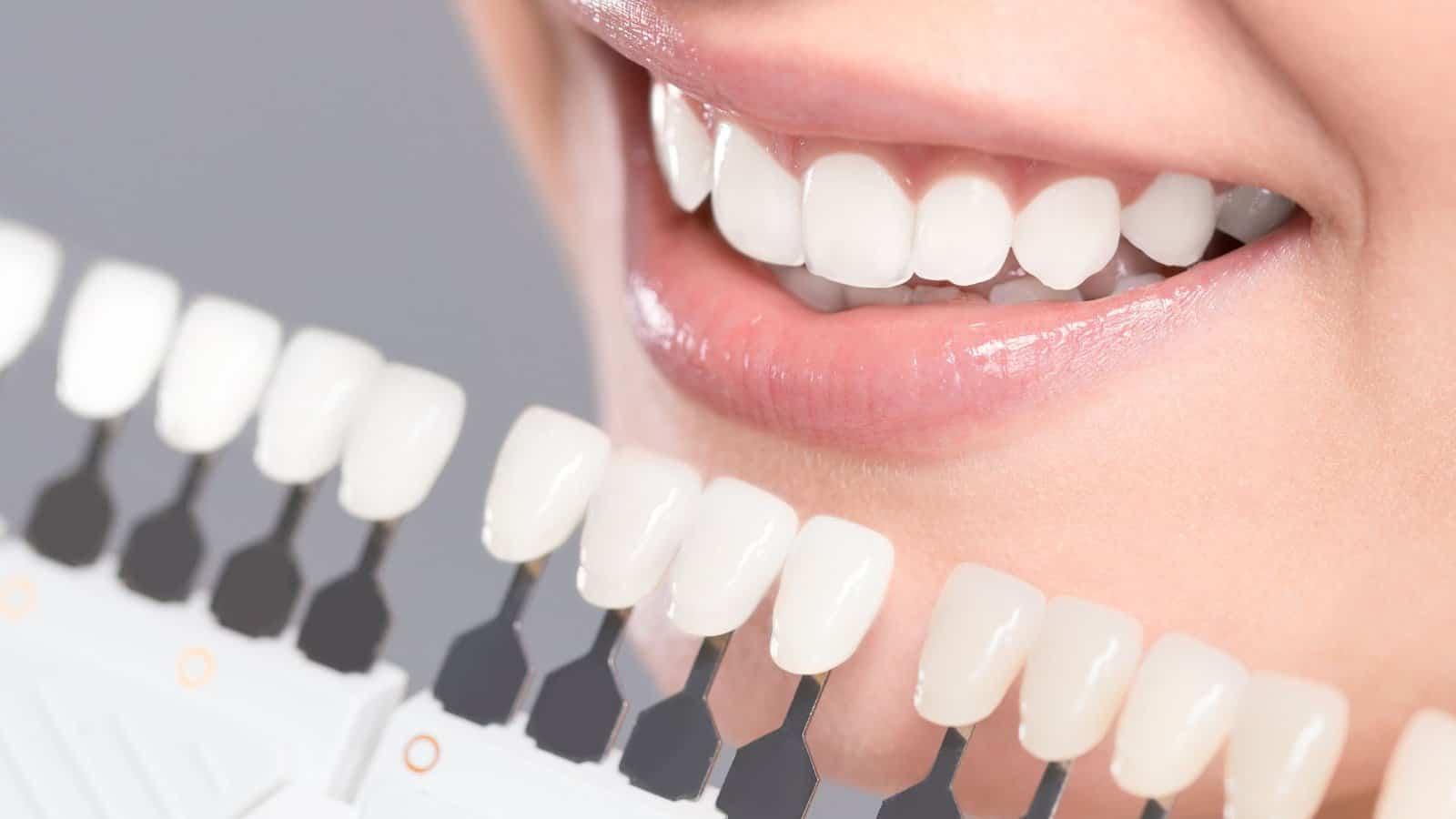
When researching cosmetic dental treatment, understanding Veneers Cost is an important step before scheduling treatment. Veneers are thin dental restorations designed to cover the visible surface of teeth and improve their appearance. They can help address concerns related to tooth color, shape, minor imperfections, and overall smile appearance. However, the total cost is not the same for every patient because different veneer materials, treatment methods, and individual dental requirements can affect the final price.
Starting With a Professional Dental Consultation
A dental consultation is essential before choosing any type of veneer. Enfield Dental Clinic Dubai can provide an option for patients who want to discuss cosmetic dental treatment and understand which veneer solution may suit their needs. During an appointment, a dentist can assess the teeth and gums, discuss the patient's smile goals, and explain the available materials. This assessment can also help determine the expected treatment process and factors that may influence the overall cost.
Porcelain Veneers and Their Cost Factors
Porcelain veneers are one of the commonly considered options in cosmetic dentistry. They are usually custom-made for individual teeth and produced using specialized dental laboratory techniques. Their appearance can be designed to resemble natural tooth enamel, with attention given to shade, shape, size, and overall smile balance.
The cost of porcelain veneers can be influenced by the quality of the material, laboratory work, customization, number of teeth being treated, and complexity of the case. Because each veneer is individually designed, the treatment may involve several stages, including consultation, preparation, digital scans or impressions, laboratory fabrication, and final placement.
Composite Veneers and Treatment Expenses
Composite veneers use tooth-colored resin that is shaped and bonded to the teeth. Depending on the treatment plan, composite material may be applied directly by the dentist rather than being fabricated in a dental laboratory in the same way as porcelain restorations.
This difference in technique can affect the overall price. Composite veneers may require less laboratory work, while the final cost can still depend on the number of teeth, complexity of the treatment, dentist's technique, and amount of customization required. A consultation is necessary to determine whether composite veneers are appropriate for a particular smile.
Why Material Choice Matters
The material used for veneers is an important consideration because porcelain and composite restorations have different characteristics. They can differ in appearance, fabrication, maintenance requirements, and expected longevity. The choice should not be based on price alone.
A dentist can explain how each option may work with your existing teeth and bite. Factors such as enamel condition, tooth position, oral hygiene, and cosmetic expectations can help determine which approach is suitable.
The Number of Teeth Being Treated
Another major factor affecting Veneers Cost is the number of teeth receiving restorations. A patient interested in improving one visible tooth may have a very different treatment plan from someone considering veneers across several front teeth.
More veneers generally require more material, clinical time, preparation, and laboratory work. However, the appropriate number should be based on the patient's dental needs and smile goals rather than simply choosing the largest possible treatment.
Customization and Smile Design
Veneers are customized restorations, so smile design can influence the treatment process and expense. Dentists may consider tooth proportions, facial features, gum appearance, existing tooth color, and the patient's preferred smile style when planning cosmetic treatment.
Digital technology may also be used to help evaluate the proposed design. Digital scans and imaging can assist with communication between the patient, dentist, and laboratory. The exact technology used depends on the dental practice and individual treatment plan.
Tooth Preparation and Existing Dental Conditions
The condition of the teeth before treatment can also affect the overall cost. If a patient has cavities, gum problems, damaged teeth, or other oral health concerns, those issues may need to be addressed before veneers are placed.
Tooth preparation can also vary from one patient to another. Some cases may require more detailed preparation because of tooth position, shape, or existing restorations. The dentist can explain the required preparation after completing an examination.
Laboratory Work and Quality Control
For porcelain veneers, dental laboratory work is an important part of the treatment. Each restoration may need to be designed and fabricated according to the patient's measurements and selected shade. Communication between the dental clinic and laboratory helps ensure that the restorations are created according to the treatment plan.
Laboratory fees can therefore contribute to the total treatment price. When comparing different treatment quotations, patients should ask whether laboratory charges are already included.
Follow-Up Appointments and Aftercare
Veneer treatment may involve more than one appointment. Depending on the treatment approach, appointments can include consultation, preparation, digital scanning or impressions, fitting, adjustments, and final placement. Follow-up visits may also be recommended to check comfort, appearance, and bite.
After placement, good oral hygiene remains important. Regular brushing, flossing, dental check-ups, and professional cleanings can help maintain oral health and protect the surrounding natural teeth.
How to Choose Between Different Veneers
Choosing between porcelain and composite veneers should involve a discussion with a qualified dental professional. Consider your cosmetic goals, oral health, treatment expectations, maintenance requirements, and available budget.
It is also useful to ask what is included in the treatment quotation. Understanding the material, number of veneers, preparation, laboratory work, appointments, and follow-up care can give you a clearer picture of the overall expense.
Understanding the Full Treatment Value
Instead of looking at the price of a single veneer in isolation, consider the complete treatment plan. A lower initial quotation may include fewer services, while another quotation may include consultation, customized laboratory work, digital planning, placement, and follow-up appointments.
Every patient's treatment requirements are different, so online prices should only be treated as general information. A personalized dental assessment provides a much clearer understanding of the expected treatment and associated expenses.
Making an Informed Veneer Decision
Understanding the differences between porcelain and composite options can make it easier to discuss your cosmetic goals with a dentist. Veneers Cost depends on the material selected, number of teeth, preparation, customization, laboratory services, dental condition, and complexity of the treatment. Rather than choosing an option based only on price, discuss the available treatments with your dentist and consider which approach is appropriate for your individual dental needs.