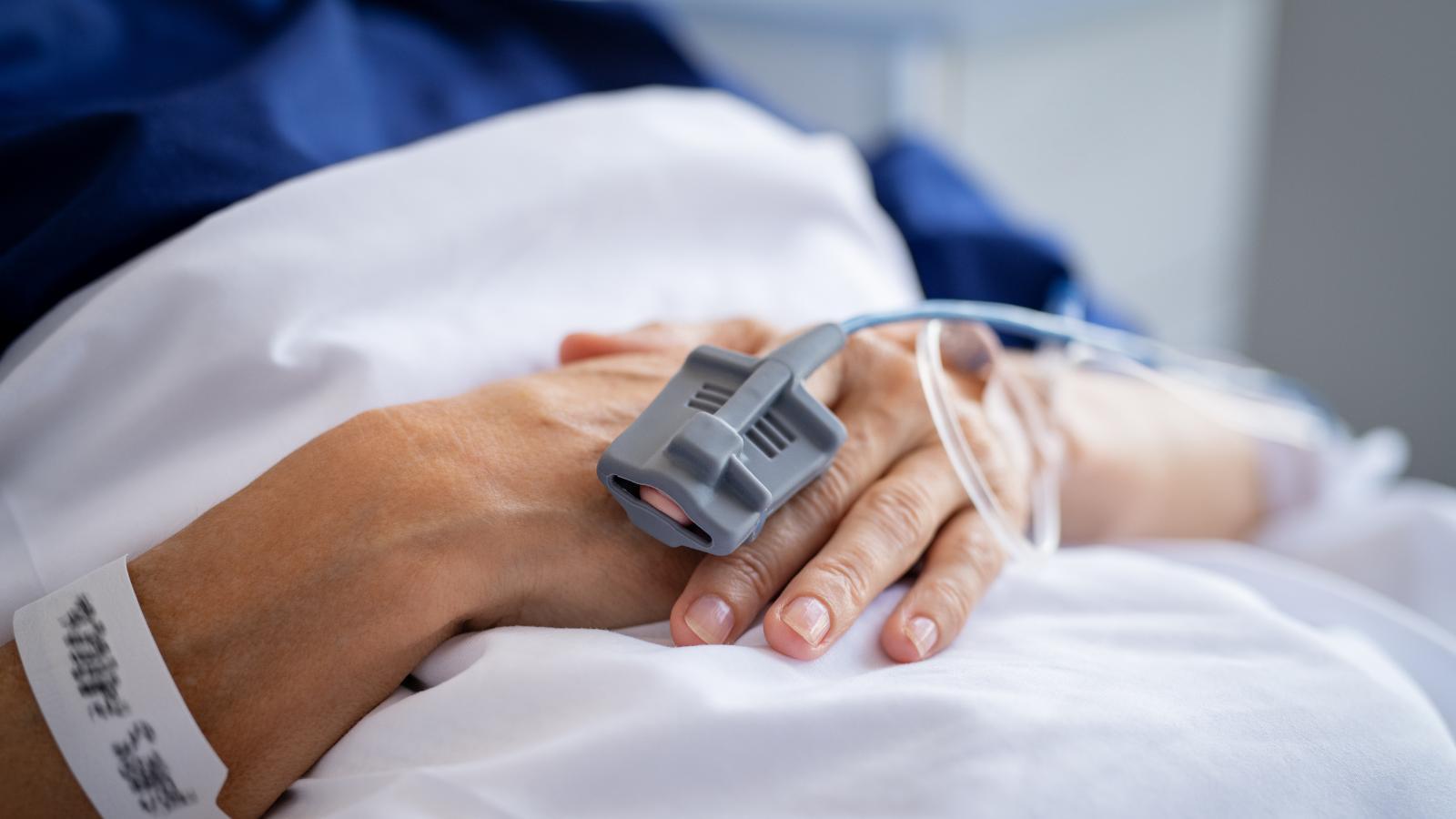
Healthcare services are becoming more convenient for people who prefer receiving selected treatments in familiar surroundings. IV Drip at Home allows eligible patients to receive intravenous treatment without necessarily traveling to a clinic. A qualified healthcare professional can visit the patient's home, review their needs, and administer an appropriate infusion when the treatment is considered suitable.
For patients looking for convenient medical care, Doctor at home in Dubai services can provide professional assessment at home. A doctor may review medical history, medications, symptoms, and other relevant factors before deciding whether IV therapy is appropriate for the patient.
What Is an IV Drip at Home?
An IV drip is a method of delivering fluids, electrolytes, medications, vitamins, or other medically appropriate substances directly into a vein. When provided at home, the procedure is performed by a trained healthcare professional using appropriate equipment.
The contents of an IV infusion depend on its intended purpose. Some infusions may focus on fluid replacement, while others may contain medication or nutrients when medically indicated.
Because the treatment enters the bloodstream directly, professional assessment and proper administration are essential.
What Happens Before the Appointment?
Before receiving an IV drip, the healthcare professional may conduct an assessment. This can include questions about your current health, medical history, medications, allergies, and reason for requesting treatment.
The provider may also discuss the contents of the infusion and explain why the treatment has been recommended.
This stage is important because IV therapy is not suitable for everyone. If there are concerns about your health or the proposed treatment, the professional may recommend another option.
Discuss Your Health History
Provide accurate information about existing medical conditions and current medications. Mention any known allergies or previous reactions to IV treatments.
Complete information allows the healthcare professional to consider relevant safety factors before starting the infusion.
Understand the Treatment
Before treatment begins, ask what the IV contains, why it is being administered, how long the session may take, and what potential side effects you should know about.
Understanding the treatment can help you know what to expect during the appointment.
Preparing Your Home
A clean and comfortable area should be available for the appointment. The healthcare professional needs enough space to organize equipment and perform the procedure safely.
You may choose a comfortable chair or place where you can remain relaxed during the infusion. Keeping the area accessible can also make the process easier for the healthcare professional.
Follow any specific instructions provided by the healthcare provider before the appointment.
What Happens During IV Administration?
When the professional arrives, they will generally confirm your details and review the planned treatment. They then prepare the required equipment and identify a suitable vein.
An IV catheter is inserted using appropriate clinical procedures. You may feel brief discomfort when the needle is introduced.
Once the IV line is established, the infusion begins. The professional may monitor the infusion rate, the IV site, and your overall condition throughout the session.
If you experience unusual pain, burning, swelling, dizziness, difficulty breathing, or another concerning symptom, inform the healthcare professional immediately.
How Long Does an IV Drip Take?
The duration of an IV session varies depending on the type and volume of the infusion, the treatment plan, and individual circumstances.
Some infusions may take less time than others. Your healthcare provider can explain the expected duration before treatment begins.
It is generally useful to avoid scheduling another important commitment immediately afterward, particularly if you are unsure how you will feel following the treatment.
What Can Be Included in an IV Drip?
An infusion can contain different substances depending on its purpose. Fluids and electrolytes may be used when appropriate, while certain medications, vitamins, or minerals can be administered when medically indicated.
Patients should not assume that all IV drips are the same. Different formulations have different purposes, and the appropriate choice depends on individual healthcare needs.
Ask the provider for clear information about the ingredients and their intended purpose.
Is IV Drip at Home Safe?
IV therapy involves a medical procedure and therefore can have potential risks. These can include discomfort, bruising, irritation, infection, or reactions to substances in the infusion.
Professional assessment and appropriate administration can help manage these risks. The healthcare professional should also consider relevant medical conditions, medications, and allergies before treatment.
If the provider determines that an IV drip is not appropriate, you should follow their recommendation and discuss alternative options.
What Happens After the Infusion?
After the infusion is completed, the healthcare professional removes the IV catheter and checks the treatment area. You may receive instructions about what to monitor after the appointment.
If you develop concerning symptoms after treatment, contact an appropriate healthcare professional promptly. Severe or emergency symptoms require urgent medical attention.
The provider may also recommend follow-up care depending on the reason for the treatment.
Choosing a Professional Home IV Service
When selecting an IV therapy provider, look for a service that uses appropriately qualified healthcare professionals and follows suitable clinical procedures.
Ask whether an assessment is performed before treatment and whether the provider clearly explains the infusion's contents, purpose, possible risks, and aftercare.
Avoid choosing a service solely because it makes broad promises about immediate wellness effects. IV therapy should be based on appropriate healthcare considerations rather than unrealistic expectations.
When Home IV Therapy May Be Convenient
Home IV services can be useful for people who prefer to receive selected treatments without traveling to a healthcare facility. Busy professionals, individuals with transportation challenges, and people who value privacy may appreciate the convenience.
However, home treatment is not a substitute for emergency care. Patients with severe or rapidly worsening symptoms should seek appropriate medical attention rather than waiting for a routine home appointment.
Making Your IV Treatment More Comfortable
Knowing what to expect can make the process easier. From the initial health assessment to preparation, IV administration, monitoring, and aftercare, each stage contributes to a professional treatment experience.
IV Drip at Home can provide convenient access to selected intravenous treatments while allowing patients to remain in a familiar environment. When the treatment is medically appropriate and administered by qualified professionals, home IV therapy can combine convenience with professional healthcare support.