

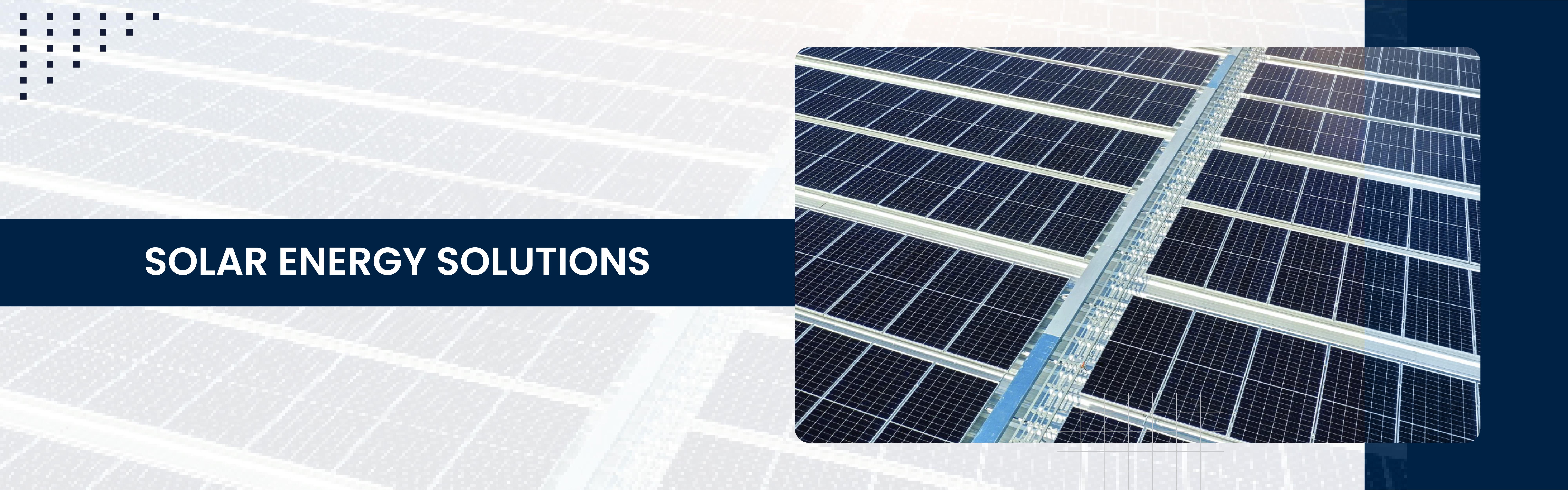

Solar energy has become an increasingly popular option for households and businesses looking for alternative ways to generate electricity. Rising awareness about renewable energy, improvements in solar technology, and the desire for greater energy independence have encouraged more people to consider installing solar systems. However, one of the first questions potential buyers usually ask is about solar panel price and what factors determine the overall cost of a solar installation.
Understanding the different elements that influence pricing can help homeowners and businesses make better-informed decisions. Rather than focusing only on the initial purchase cost, it is important to consider panel efficiency, system size, installation requirements, equipment quality, maintenance, and long-term energy production.
What Determines Solar Panel Price?
The cost of solar panels is not fixed because several factors influence the final price. One of the most important considerations is the type and efficiency of the panel. Different technologies offer different performance characteristics, and more efficient panels may cost more while producing greater energy from a limited roof area.
Panel capacity is another important factor. A system designed for a small home will generally require fewer panels than one intended for a large property or commercial building. As the number of panels increases, the total project cost also changes.
Brand reputation, manufacturing quality, warranty coverage, and product availability can also affect pricing. Buyers should therefore compare complete specifications instead of choosing a product solely because it has the lowest upfront cost.
Types of Solar Panels Available
Solar panels are available in several technologies, with monocrystalline and polycrystalline panels being among the commonly recognized types. Thin-film technology is another option used in certain applications.
Monocrystalline panels are generally recognized for their efficiency and space-saving potential. They can be useful where available roof space is limited. Polycrystalline panels have historically offered another approach to solar generation and may be considered for projects where space and budget requirements differ.
Thin-film panels can have advantages in particular applications because of their construction and flexibility, although their suitability depends on the project. Comparing efficiency, physical dimensions, durability, warranty terms, and expected performance is more useful than considering panel type in isolation.
Solar Panel Price vs. Complete Solar System Cost
It is important to distinguish the cost of individual panels from the cost of a complete solar power system. Purchasing panels is only one part of the installation.
A complete system may also require an inverter, mounting structures, wiring, protection equipment, monitoring components, labor, and other electrical equipment. If battery storage is included, the overall investment can increase considerably.
Installation complexity also matters. A straightforward rooftop installation may have different requirements from a project involving structural modifications, long cable runs, difficult roof access, or specialized mounting arrangements.
For this reason, buyers should request a complete quotation that clearly explains what is included rather than comparing panel prices alone.
Why Solar Panel Efficiency Matters
Efficiency describes how effectively a solar panel converts available sunlight into electrical energy. Higher efficiency can be particularly useful when roof space is limited.
For example, two panels may have similar physical dimensions but different power ratings. The more efficient option may generate more electricity from the same available area. However, higher efficiency does not automatically mean that a particular panel is the right choice for every project.
Buyers should consider the relationship between efficiency, price, available space, expected electricity consumption, and system design. A properly sized system can often be more important than simply choosing the highest-rated panel available.
Choosing the Right System Size
Solar systems should be designed according to electricity requirements rather than selecting a random number of panels. A household with modest electricity consumption may require a different system from a large family home, office, workshop, or commercial facility.
A useful starting point is to review historical electricity bills and identify average monthly consumption. Buyers can then discuss their requirements with a qualified solar installer who can assess the property and recommend an appropriate system size.
Roof orientation, shading, available installation space, and local sunlight conditions can also influence expected energy production. These factors should be evaluated before purchasing equipment.
The Role of Solar Inverters
Solar panels generate electricity in a form that must be converted before it can be used by many household and commercial appliances. This is where the inverter becomes an essential component of a solar system.
Different inverter technologies are available, including string inverters, microinverters, and hybrid systems designed to work with battery storage. The appropriate option depends on the size and design of the installation.
When comparing quotations, buyers should pay attention to inverter specifications and warranty coverage rather than concentrating exclusively on panel costs. A solar system works as an integrated setup, so every major component deserves consideration.
Should You Add Battery Storage?
Battery storage can allow solar energy to be stored for later use. This can be useful for properties that want to use more of their solar-generated electricity after sunset or maintain backup power during certain outages.
However, batteries add another expense to the project and have their own capacity, warranty, lifespan, and installation requirements. Not every property needs the same storage solution.
People considering batteries should evaluate their electricity usage patterns and determine whether storage provides practical value for their particular circumstances. A professional assessment can help determine the appropriate battery capacity.
Installation and Maintenance Considerations
The installation process can affect the total project cost. A qualified installer should evaluate the roof structure, electrical requirements, panel placement, cable routing, and safety considerations before beginning the work.
Solar panels generally require relatively limited routine maintenance compared with many mechanical energy systems. Nevertheless, keeping panels reasonably clean and checking system performance can help identify potential issues.
Monitoring equipment can also provide useful information about electricity generation. A noticeable decline in expected output may indicate shading, dirt accumulation, equipment problems, or other technical issues that require investigation.
How to Compare Solar Quotes
Comparing multiple quotations can make it easier to understand the market and identify differences between system designs. However, the cheapest quote is not necessarily the most suitable one.
Buyers should compare panel specifications, inverter quality, warranty terms, installation services, mounting equipment, monitoring options, and after-sales support. It is also useful to check whether the quoted price includes all necessary electrical and structural work.
A detailed quotation should make the system easier to understand instead of presenting only one total figure. Clear documentation can reduce misunderstandings and help buyers compare different proposals fairly.
Long-Term Value of Solar Energy
Solar energy is often considered a long-term investment because a properly designed system can continue producing electricity for many years. The financial value depends on factors such as system cost, electricity consumption, energy production, utility rates, maintenance, financing, and local regulations.
Instead of evaluating a solar project based solely on today's price, buyers can consider expected performance over the system's useful life. Quality equipment and professional installation may contribute to dependable performance and lower the likelihood of avoidable problems.
The environmental aspect is another consideration. Generating electricity from sunlight can reduce reliance on conventional electricity sources and support broader efforts to increase renewable energy use.
Final Summary
Understanding solar panel price requires looking beyond the cost of an individual panel. Panel technology, efficiency, system capacity, inverter selection, installation complexity, battery storage, warranties, and long-term performance can all influence the total investment.
For homeowners and businesses considering solar energy, the most useful approach is to evaluate the complete system rather than choosing equipment based only on its initial price. Reviewing electricity consumption, assessing available installation space, comparing detailed quotations, and selecting reliable equipment can help create a solar solution that matches actual energy needs.
As solar technology continues to develop, informed purchasing decisions can help consumers take advantage of renewable energy while avoiding unnecessary costs. A carefully planned solar installation can provide a practical way to generate electricity from sunlight and potentially deliver value over many years.
