

Waste Management Sydney: A Practical Guide for Commercial and Infrastructure Sites
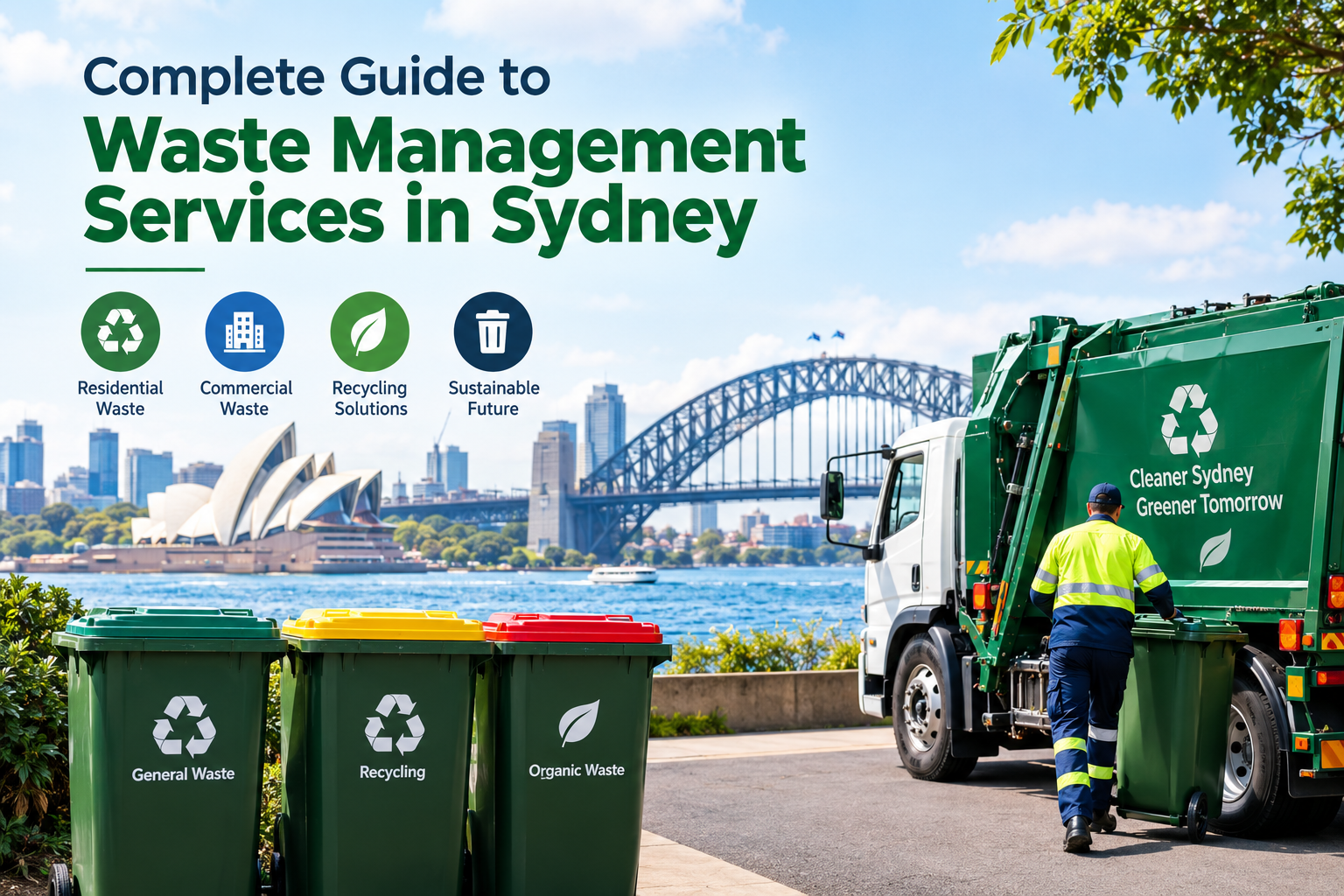
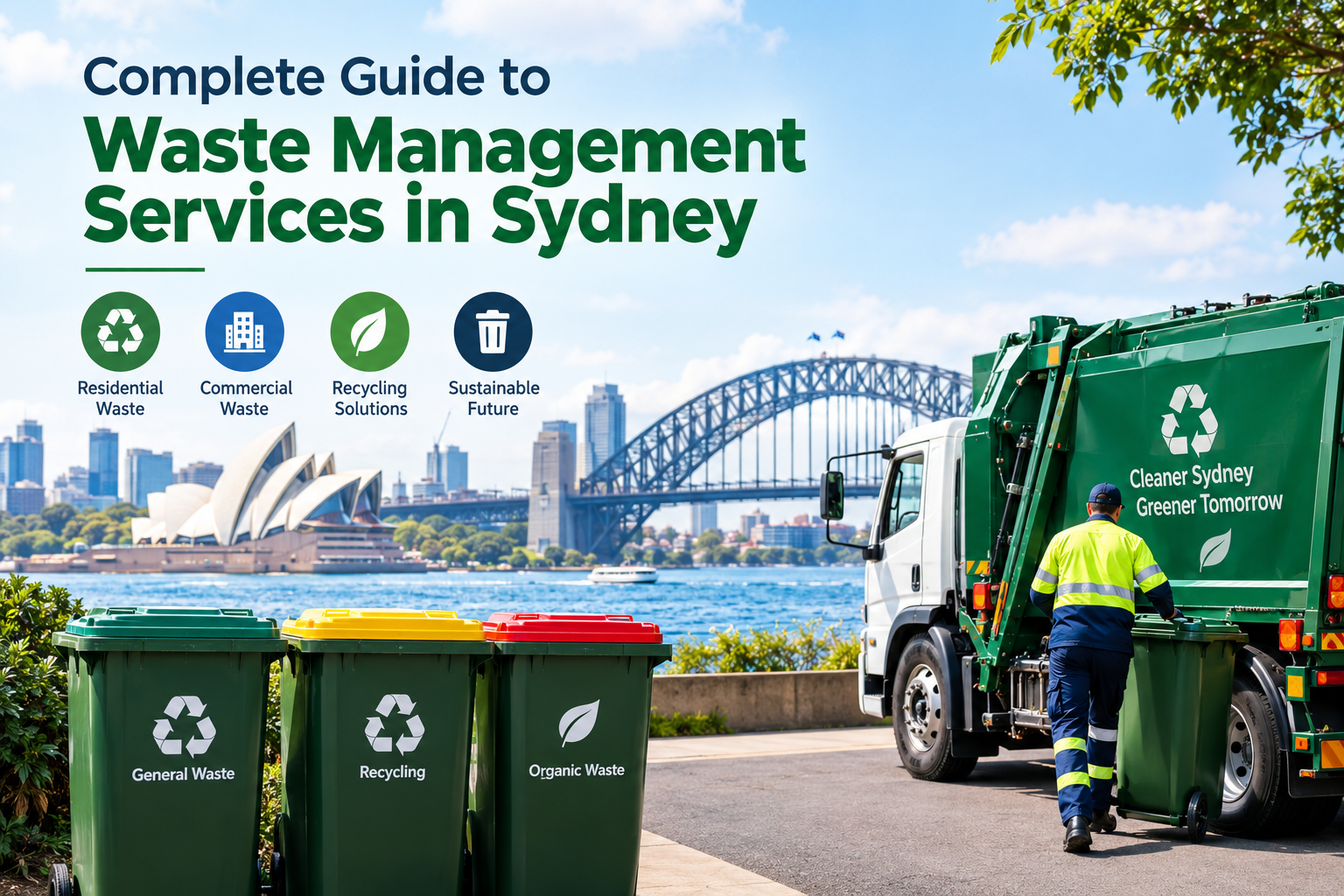
Effective waste management Sydney businesses use is about more than putting unwanted material into bins. Commercial properties, construction sites, warehouses, roads, retail facilities, and infrastructure projects can generate different types of waste that need to be collected, separated, transported, recycled, or disposed of appropriately.
In Sydney, waste management can also be connected to broader property maintenance. Concrete surfaces may need cleaning after construction work, car parks may require new markings, damaged landscaping may need attention, and materials such as soil, broken concrete, asphalt, timber, and vegetation may need to be removed from a worksite.
A practical waste management strategy helps keep sites organized, reduces unnecessary disposal, and supports safer working conditions.
What Does Waste Management Include?
Waste management covers the collection, transport, processing, recycling, recovery, and disposal of waste. For businesses, this can involve general commercial waste as well as construction and demolition materials.
Construction and demolition activities can produce materials such as excavated soil and rock, concrete, bricks, asphalt, timber, plasterboard, vegetation, asbestos, and contaminated soil. The NSW EPA specifically identifies these materials as part of the construction and demolition waste stream.
For a commercial property, waste management may therefore include:
-
Construction and demolition waste removal
-
General commercial waste collection
-
Concrete and asphalt waste
-
Soil and excavation material
-
Green waste and vegetation
-
Timber and recyclable materials
-
Packaging and general site waste
-
Cleanup after construction or maintenance
-
Appropriate transport and disposal
-
Recycling and material recovery where practical
The exact approach depends on the type and quantity of waste generated and the requirements that apply to the site.
Why Waste Management Matters for Sydney Commercial Properties
Poorly managed waste can create practical problems beyond appearance. Materials left around accessways can interfere with vehicles and pedestrians, while unmanaged construction waste can create additional site hazards.
For larger construction projects, SafeWork NSW requires attention to risks associated with storing, moving, and disposing of materials and waste, as well as traffic control and essential services.
For this reason, businesses searching for commercial waste management Sydney should look at the complete process rather than simply asking how quickly waste can be removed.
Important considerations include:
-
What types of waste will the project generate?
-
How will different materials be separated?
-
Where will waste be stored temporarily?
-
How frequently will collections be required?
-
Can suitable materials be recycled or recovered?
-
How will waste be transported?
-
Where will the waste ultimately be processed or disposed of?
NSW guidance also notes that waste management can involve council requirements, approvals, and environmental considerations depending on the activity and location.
Waste Management and Commercial Cleaning Services Sydney
Waste removal and cleaning are often connected on commercial sites.
After renovation, construction, concrete repair, landscaping, or maintenance work, a property may require more than basic rubbish collection. Dust, dirt, surface residue, loose materials, and construction debris can remain around entrances, loading areas, car parks, pathways, and hard surfaces.
This is where commercial cleaning services Sydney businesses use can complement waste management.
Depending on the property, cleaning requirements may include:
-
Pressure cleaning concrete
-
Removing dirt from paved areas
-
Cleaning loading zones
-
Clearing construction debris
-
Cleaning commercial pathways
-
Removing surface buildup
-
Cleaning car park areas
-
Preparing surfaces for maintenance or repainting
Commercial cleaning should be planned according to the surface and type of contamination. For example, concrete cleaning requires a different approach from cleaning delicate landscaping or finished surfaces.
Faded Line Markings Are Also a Maintenance Issue
Waste and cleaning problems are not the only issues that can affect commercial properties.
Over time, faded line markings can make parking spaces, pedestrian routes, loading areas, traffic lanes, and restricted zones harder to identify. Weather, vehicle traffic, surface wear, dirt, cleaning activities, and repeated use can all contribute to deterioration.
Businesses may therefore search for line marking services when they need to restore or reorganize markings across a commercial site.
Common applications include:
-
Car park line marking
-
Disabled parking spaces
-
Loading zones
-
Pedestrian walkways
-
Warehouse markings
-
Traffic direction markings
-
Safety zones
-
Commercial parking layouts
-
Industrial site markings
When line markings are being renewed, the surface should generally be clean, suitably prepared, and appropriate for the marking system being applied. Project specifications may also identify applicable standards; for example, NSW project documentation can specify AS 1742 requirements for line marking.
What About a Sandstone Block Wall?
A sandstone block wall can form part of landscaping, boundary treatment, retaining work, or property improvement. However, retaining structures should not be treated as purely decorative features when they are supporting soil or dealing with changes in ground level.
Site conditions, wall height, drainage, soil pressure, nearby structures, and water movement can all affect the appropriate construction approach.
NSW planning guidance states that certain earthworks and retaining wall works have specific requirements, including considerations relating to water flow, structural adequacy, neighboring properties, and approvals.
Maintenance is equally important. Signs such as movement, cracking, leaning, displaced blocks, erosion, or unusual water accumulation should be investigated rather than simply covered up.
How Waste Management Fits Into Sydney Infrastructure Services
Waste management is often one part of a much broader maintenance program.
Businesses looking for Sydney infrastructure services may need to coordinate several activities across one commercial or industrial property, including:
-
Concrete repairs and resurfacing
-
Asphalt maintenance
-
Road and pavement repairs
-
Drainage and stormwater maintenance
-
Landscaping
-
Sandstone and retaining wall work
-
Pressure cleaning
-
Waste removal
-
Line marking
-
General site maintenance
Coordinating related activities can reduce unnecessary disruption because cleaning, repairs, waste removal, and surface restoration can sometimes be scheduled as part of the same maintenance program.
For development and construction projects, NSW EPA guidance also explains that councils can require waste management plans as part of development applications, including information about estimated waste, sorting, storage, recycling, and disposal.
How to Choose a Waste Management Approach
Before arranging waste removal, identify the actual requirements of the property.
1. Identify the waste stream
Separate construction materials, general waste, green waste, recyclable materials, and potentially hazardous materials where required.
2. Estimate the volume
The amount of waste determines the appropriate collection frequency, storage method, vehicle requirements, and disposal arrangements.
3. Consider recycling and recovery
Some construction materials can potentially be recovered, recycled, or reused instead of being sent directly to landfill.
4. Check disposal requirements
Certain waste types have specific handling and disposal requirements. Hazardous waste, for example, can have tracking obligations in NSW.
5. Plan access
Waste collection vehicles need suitable access without creating unnecessary risks for pedestrians, workers, customers, or other vehicles.
6. Coordinate with other maintenance
If a site also needs pressure cleaning, line marking, concrete repairs, landscaping, or pavement work, scheduling these activities together may make site management easier.
Comparing Civil Craft With Other Sydney Providers
When comparing Civil Craft with other Sydney contractors, businesses should focus on whether the proposed approach matches the site's actual requirements rather than choosing a provider based only on the lowest initial price.
Useful comparison factors include:
| Factor | What to Look For |
|---|---|
| Waste handling | Clear process for collection, sorting, transport, recycling, and disposal |
| Site assessment | Understanding of access, surfaces, drainage, and surrounding conditions |
| Relevant experience | Experience with similar commercial or infrastructure environments |
| Cleaning | Appropriate methods for concrete, paving, loading areas, and other surfaces |
| Line marking | Proper surface preparation and suitable marking methods |
| Landscaping | Understanding of retaining walls, sandstone, drainage, and ground conditions |
| Safety | Procedures for workers, vehicles, pedestrians, and site access |
| Project scope | Clear information about preparation, work, cleanup, and waste removal |
| Communication | Clear scheduling, responsibilities, and project information |
The most useful comparison is therefore based on the complete scope of work, not simply the headline price.
Final Thoughts
Effective waste management Sydney businesses rely on should be viewed as part of broader property and infrastructure maintenance. Construction debris, commercial waste, dirty concrete, faded markings, damaged paving, drainage problems, and landscaping issues can all affect how a site operates.
A practical approach begins with understanding the site's waste streams, access, surfaces, environmental requirements, safety considerations, and maintenance needs. From there, businesses can coordinate waste removal with commercial cleaning services Sydney, line marking services, landscaping, pavement maintenance, and other Sydney infrastructure services.
For commercial, industrial, and construction sites, the goal should be a clear and properly planned process that keeps materials under control, supports site safety, and handles waste through appropriate recovery, recycling, or disposal channels.
Frequently Asked Questions
1. What does waste management Sydney include?
Waste management can include waste collection, sorting, transport, recycling, recovery, and disposal. For commercial and construction sites, it may include concrete, asphalt, soil, timber, vegetation, packaging, and general waste.
2. How can businesses manage construction waste in Sydney?
Businesses should identify different waste streams, provide suitable storage, separate materials where required, and arrange lawful transport and disposal or recycling. Project-specific requirements may also apply.
3. When should faded line markings be replaced?
Faded line markings should be reviewed when parking spaces, pedestrian routes, traffic directions, loading areas, or safety zones become difficult to identify. Surface condition and the intended use of the area should also be considered.
4. Does a sandstone block wall require maintenance?
Yes. Cracking, movement, leaning, erosion, displaced blocks, or drainage problems can indicate that a sandstone or retaining wall needs inspection. Structural and planning requirements depend on the specific site and proposed work.
5. Can waste management be combined with commercial cleaning and site maintenance?
Yes. On many commercial properties, waste removal can be coordinated with cleaning, concrete maintenance, landscaping, pavement repairs, and line marking. Planning related activities together can help reduce repeated site disruption.
