


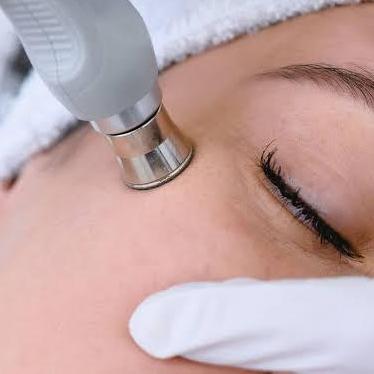
Cellulite is a common skin concern caused by the interaction between connective tissue, fat cells, skin structure, and genetics. Cellulite Treatment in Dubai may be considered by people who want to address the visible appearance of dimpling after an appropriate assessment. In an advertorial context, Dynamic Clinic in Dubai provides a setting where cellulite concerns can be discussed and evaluated according to individual needs.
What Is Cellulite Treatment Suitability?
Suitability refers to whether a particular cellulite treatment is appropriate for a person's skin characteristics, treatment goals, medical background, and the nature of the cellulite. There is no single procedure that works in exactly the same way for everyone.
A proper assessment helps determine whether treatment is appropriate and which approach may match the underlying features of the concern. Factors such as skin laxity, cellulite pattern, tissue composition, and previous procedures can influence this decision.
How Does the Type of Cellulite Affect Suitability?
Cellulite can appear differently from one person to another. Some people have shallow dimpling, while others may have deeper depressions or uneven contours. The distribution can also vary across the thighs, buttocks, hips, abdomen, or other areas.
During an assessment, relevant characteristics may include:
- Depth and visibility of dimples
- Distribution of cellulite
- Skin texture and firmness
- Degree of skin laxity
- Amount and distribution of subcutaneous fat
- Overall tissue structure
These details help establish whether a treatment approach is relevant to the specific concern.
Why Does Skin Elasticity Matter?
Skin elasticity is an important consideration because cellulite often exists alongside changes in skin firmness. When the skin has reduced elasticity, treating the appearance of cellulite may require consideration of both surface texture and underlying tissue characteristics.
Age, genetics, changes in body weight, pregnancy, and natural changes in collagen and elastin can affect skin elasticity. An assessment can help distinguish cellulite-related dimpling from loose or lax skin.
Does Body Composition Influence Treatment Choice?
Body composition can also affect how cellulite appears. Cellulite is not simply a result of excess body fat, so having a certain body size does not automatically determine treatment suitability.
The location and distribution of fatty tissue, connective tissue, and skin can contribute to visible dimpling. For this reason, a clinical assessment generally considers tissue characteristics rather than relying only on body weight or appearance.
What Medical Factors Are Considered?
A person's medical history can influence whether a cellulite procedure is appropriate. Relevant information may include current medications, previous treatments, allergies, skin conditions, healing history, and any existing medical concerns.
A qualified medical professional may also ask about previous procedures in the same treatment area. This information can help identify factors that may require additional evaluation before treatment.
How Do Treatment Goals Affect Suitability?
Treatment goals should be realistic and specific. Someone concerned mainly about mild dimpling may have different needs from someone experiencing more pronounced skin irregularities combined with laxity.
An assessment may explore:
- Which areas are causing concern
- How noticeable the cellulite is
- Whether skin firmness is also an issue
- What type of improvement the person is seeking
- Whether the expected changes are medically realistic
Clear goals allow the treatment plan to be based on the individual's concerns rather than a standard approach.
Why Is an Individual Assessment Important?
Cellulite has several contributing factors, including genetics, connective tissue arrangement, skin quality, hormones, and body composition. Because these factors vary considerably, suitability cannot be determined accurately from photographs or a general description alone.
An in-person assessment can provide an opportunity to examine the treatment area, review relevant medical information, and determine whether a proposed procedure is appropriate. It can also help identify situations where another approach or no treatment may be more suitable.
What Should You Discuss Before Treatment?
Before proceeding, patients should understand the proposed treatment and why it has been selected. Useful questions may cover the treatment method, areas being addressed, expected skin changes, potential risks, aftercare requirements, and factors that could affect the outcome.
It is also important to disclose previous cosmetic procedures and relevant medical information. Accurate communication supports safer treatment planning and allows concerns to be addressed before the procedure begins.
Can Suitability Change Over Time?
Yes. Cellulite appearance and skin characteristics can change with age, weight fluctuations, pregnancy, hormonal changes, and changes in skin elasticity. A treatment that was previously considered appropriate may not necessarily remain the preferred option if the condition or treatment goals change.
For this reason, current assessment is more useful than relying on an earlier evaluation when considering a new treatment.
Conclusion
Cellulite treatment suitability depends on several factors rather than one specific characteristic. The type and distribution of cellulite, skin elasticity, tissue composition, medical history, previous procedures, and individual treatment goals can all influence whether an approach is appropriate. A professional assessment provides the information needed to develop a treatment plan based on the person's current skin and tissue characteristics.

