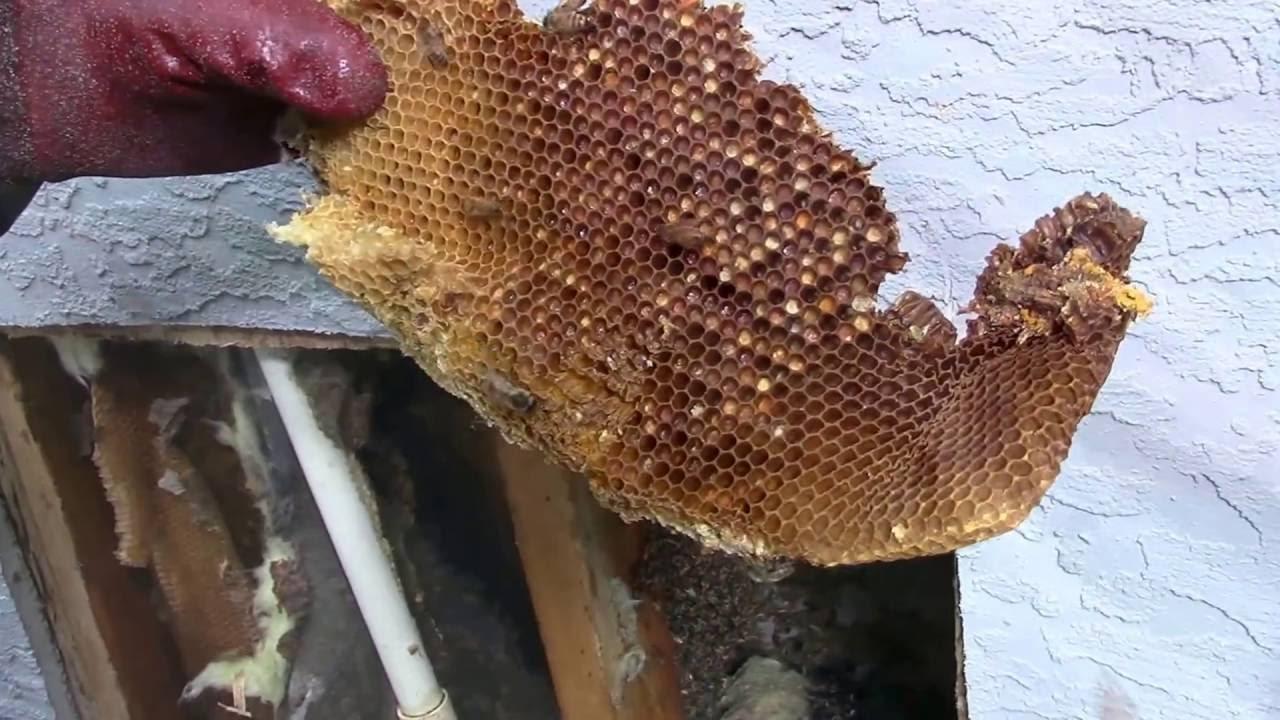
Humane Bee Removal in Keller, TX focuses on identifying the bee species, locating the colony, protecting people from immediate risks, and using physical removal or relocation methods when practical. The process should also address the remaining nest material and building entry point so the same colony or future pests do not return.
What Does Humane Bee Removal Involve?
Humane bee removal is a property management approach that aims to resolve a bee problem while avoiding unnecessary harm to bees when safe and practical. The process begins with identification rather than immediately treating every flying insect as a pest.
A technician should determine whether the insects are honey bees, carpenter bees, bumble bees, or another stinging insect. This distinction matters because species differ in nesting behavior and may require different removal techniques.
Honey bees, for example, can establish colonies inside wall cavities, roof spaces, chimneys, trees, or other protected locations. Carpenter bees commonly use wood for nesting, while some other bees have different nesting habits.
The U.S. Environmental Protection Agency recognizes the importance of protecting pollinators from unnecessary pesticide exposure. Its pollinator protection resources encourage practices that reduce exposure when pesticides are used.
For a Keller property owner, humane removal therefore means more than simply taking bees away. It involves understanding the colony, the structure, the safety risk, and what needs to happen after removal.
Why Does Bee Identification Matter?
A cluster of flying insects can be difficult for an untrained homeowner to identify accurately. Color, body shape, flight behavior, nest location, and activity patterns can provide useful clues, but professional identification may be necessary when the situation is unclear.
Correct identification affects the entire management plan. A colony inside a wall requires a different approach from several carpenter bees using exposed wooden structures.
It also prevents a common mistake: treating visible activity without finding the source.
The Entry Point Is Often the Important Clue
If bees repeatedly enter and leave through the same small opening, that location deserves attention. The opening may lead to a wall void, roof cavity, attic, tree hollow, or another protected nesting area.
A useful inspection should document:
Where bees enter and exit
Whether activity is continuous or temporary
Approximate location of the colony
Condition of nearby building materials
Potential access routes into occupied areas
Presence of people, pets, employees, or customers nearby
This information helps distinguish a temporary swarm from an established colony.
A temporary swarm may gather while scout bees search for a suitable nesting location. An established colony presents a different problem because removing only the visible insects may leave the colony and nest materials inside the structure.
How Does Professional Bee Removal Work?
Professional Bee Removal in Keller, TX generally begins with an inspection and ends with prevention measures. The exact process depends on the species, colony location, accessibility, building construction, and safety conditions.
A typical sequence can include the following:
Identify the insect. Determine whether the insects are honey bees, carpenter bees, bumble bees, or another species.
Locate the colony. Follow activity patterns to determine where insects are nesting.
Assess the structure. Examine walls, roofs, soffits, trees, vents, or other potential nesting locations.
Plan the safest removal method. Select physical removal, relocation, exclusion, or another appropriate method.
Remove accessible colony material. Where feasible, address the colony rather than only the visible insects.
Clean and repair the affected area. Remove or manage remaining nest material when appropriate.
Seal suitable entry points. Prevent future access after the colony has been properly addressed.
Monitor the location. Watch for continued activity that could indicate an unresolved colony.
The sequence matters because sealing an entrance before understanding what is inside can create additional problems. A colony trapped within a structure may continue to cause activity or leave nesting material behind.
Humane Removal Compared With Other Approaches
Not every bee situation requires the same response. A useful decision framework considers the location, risk, species, and feasibility of physical removal.
Situation
Appropriate first consideration
Temporary swarm outdoors
Keep distance and arrange identification if it remains
Honey bee colony in an accessible location
Evaluate physical removal or relocation
Colony inside a wall
Locate the colony and assess structural access
Carpenter bees using exposed wood
Address nesting activity and damaged wood
Bees near a busy business entrance
Establish a safe separation zone and obtain professional assessment
Unidentified stinging insects
Avoid disturbing the nest until identification
The word "humane" should not be interpreted as a guarantee that every bee can always be relocated. Structural access, colony condition, species, safety concerns, and local circumstances can affect what is realistically possible.
A responsible professional should explain those limitations rather than promising a particular outcome before inspecting the site.
A Practical Lesson From Bee Removal
One useful lesson from bee management is that removing the insects is only part of solving the property problem.
Consider a residential property where bees repeatedly enter a small opening beneath a roof edge. Removing the visible insects without investigating the opening may leave the colony inside the structure.
A more complete approach would identify the insects, determine whether a colony is present, locate its position, address the colony when feasible, and then deal with the structural opening.
This is not presented as a personal service claim or invented customer story. It is a practical scenario illustrating why inspection and exclusion belong in the same management process.
The EPA's integrated pest management principles similarly emphasize identifying the pest and understanding conditions that support pest activity before selecting control measures. (EPA Integrated Pest Management)
How Can Keller Property Owners Prevent Future Bee Problems?
Prevention should begin after the colony situation has been properly assessed.
Buildings can provide attractive nesting locations through gaps, damaged wood, roof cavities, wall openings, vents, and other protected spaces. Landscaping can also provide food sources for pollinators, so prevention should focus on controlling unwanted access rather than attempting to eliminate all bee activity from a property.
Property owners can use this post-removal checklist:
Exterior checklist
Inspect roof edges and soffits for openings.
Check damaged siding and wooden structures.
Examine gaps around utility penetrations.
Maintain suitable window and door screens.
Repair structural openings when appropriate.
Monitor previously active entrances.
Avoid disturbing active colonies.
Business property checklist
Keep employees away from active nesting areas.
Redirect customers away from affected entrances when necessary.
Document recurring bee activity.
Inspect outdoor seating and landscaped areas.
Schedule structural repairs after the colony issue is resolved.
The goal is not to create a property where no bee ever appears. Bees are part of the wider ecosystem across the USA, including areas more than 1,000 km from Keller with different climates and species. The practical objective is to prevent colonies from establishing in locations where their presence creates a safety or property management concern.
When Should You Contact a Professional?
A single bee flying through an open window does not necessarily indicate an infestation. Repeated activity, visible nesting, bees entering a structural opening, or a colony located near a high traffic area deserves closer attention.
Professional assistance is particularly useful when:
Bees are entering walls, attics, roofs, or other enclosed spaces.
A large number of bees are repeatedly appearing.
The species cannot be identified.
The colony is near children, pets, employees, customers, or frequently used entrances.
Previous attempts to remove the activity have failed.
Structural repairs are needed to prevent reentry.
Homeowners should avoid disturbing an active colony with smoke, fire, household chemicals, or improvised methods. If someone has a known severe allergy to insect stings, the property owner should take additional precautions to limit exposure and seek appropriate emergency medical assistance after a sting when medically indicated.
Final Takeaway
Humane Bee Removal in Keller, TX works best when identification, colony location, safety, removal, and prevention are treated as connected parts of the same process. Simply eliminating visible bees may not solve an established colony inside a building.
For homeowners and businesses, the practical takeaway is to avoid disturbing an active colony, document where the insects are entering, identify the species, and have the nesting location evaluated. When physical removal or relocation is feasible, it can address the property problem while giving appropriate consideration to pollinator protection.