


Understanding Recovery After Beard Hair Transplant in Dubai
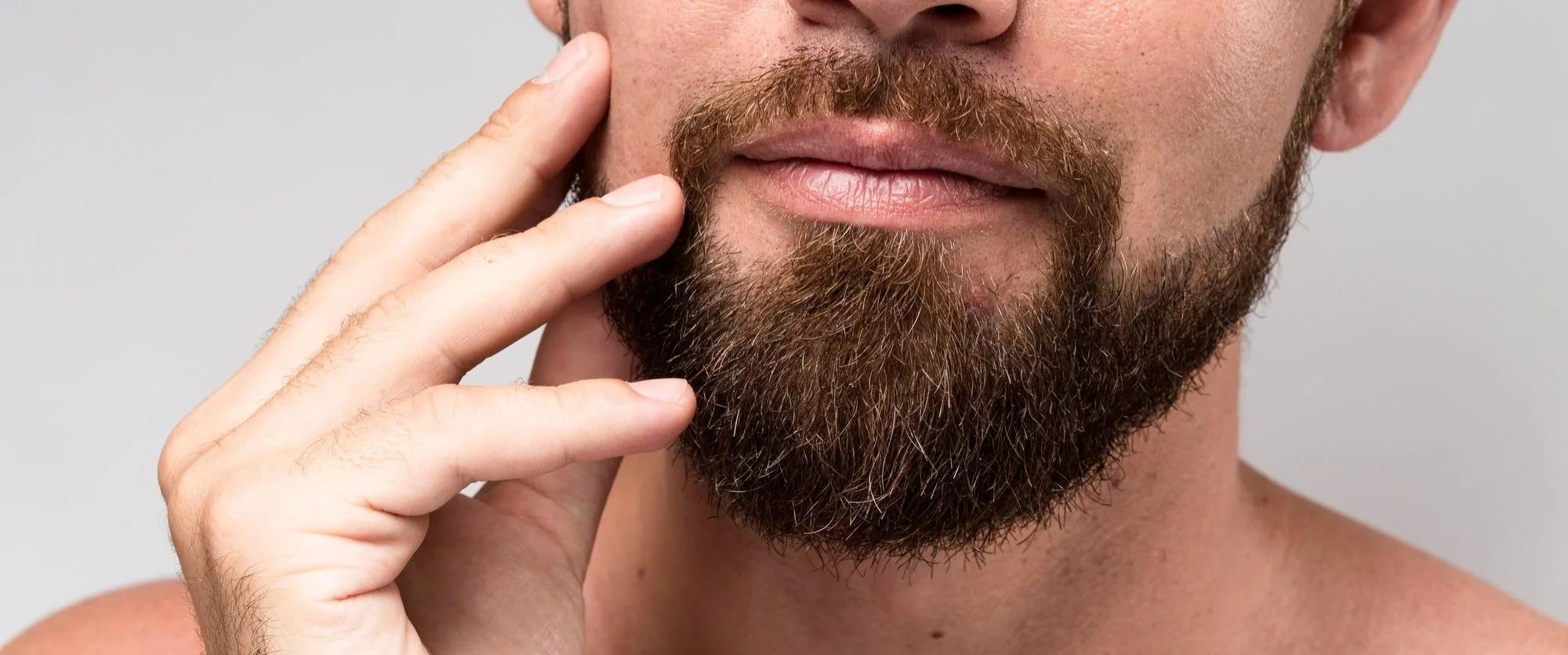
Recovery is an important part of achieving a natural-looking facial restoration. While the transplant procedure itself involves carefully placing follicles into areas where fuller growth is desired, the healing period determines how well the treated skin settles and how the newly placed grafts progress. Understanding what happens after treatment can help patients prepare realistically and follow appropriate aftercare instructions.
A beard transplant usually involves harvesting follicular units from a suitable donor area and implanting them into selected regions of the beard, such as the cheeks, jawline, chin, moustache, or areas with patchy growth. Because facial skin is more visible than many other treatment areas, patients often pay close attention to redness, small crusts, swelling, and changes in appearance during the early recovery period.
With Beard Hair Transplant in Dubai, recovery recommendations can vary according to the number of grafts used, the extraction and implantation technique, individual skin characteristics, and the patient's general healing response. A qualified specialist should explain what is normal during each stage and when normal activities can be resumed.
What Happens Immediately After a Beard Transplant?
Immediately after the procedure, the treated areas may appear red or slightly swollen. Tiny marks or crusts can also develop around the implanted follicles. These effects are generally part of the skin's normal response to the procedure.
Some patients experience mild tenderness, tightness, itching, or sensitivity. The donor area may also feel uncomfortable for a short period. Any prescribed medication or aftercare product should be used according to the treating clinician's instructions rather than applying unapproved products to the skin.
Patients are commonly advised to avoid unnecessary touching, rubbing, scratching, or pressure on the implanted area during the initial healing period. Sleeping position may also need adjustment temporarily to reduce accidental contact with the treated region.
The Early Healing Phase
During the first several days, the transplanted follicles require careful protection. Small crusts can form around individual grafts as the tiny implantation sites heal. These should not be picked or removed forcefully because doing so can irritate the skin and interfere with proper healing.
Facial swelling, when present, usually settles gradually. The exact recovery experience differs from one person to another, so patients should follow the specific timeline provided by their surgeon.
Washing the face is another area where instructions matter. Rather than relying on generic advice, patients should ask when gentle cleansing can begin, which products are suitable, and how the beard area should be handled. Excessive pressure from towels, cleansers, or vigorous rubbing may irritate recently treated skin.
What Happens During the Following Weeks?
Once the surface of the skin has healed, the appearance of the transplanted beard can change considerably. Some of the newly implanted hairs may shed after the procedure. This can be concerning for patients who expect immediate permanent growth, but shedding of transplanted hair shafts can occur as follicles transition through their normal growth cycle.
The follicles remain beneath the skin and can subsequently enter a new growth phase. New facial hair generally develops gradually rather than appearing all at once. Because hair-growth cycles differ between individuals, the final outcome should not be judged during the earliest weeks.
Sun exposure should also be considered during recovery. Recently treated skin can be more sensitive, and patients should follow their clinician's advice regarding sun protection and outdoor activities.
Enfield Royal Clinic
Enfield Royal Clinic approaches beard restoration with attention to the patient's existing facial hair pattern, donor availability, desired density, and overall facial proportions. During recovery, patients are typically given individualized guidance regarding cleansing, activity, skin care, and monitoring of the treated area.
For patients considering Beard Hair Transplant in Dubai, the consultation should address more than the procedure itself. A suitable treatment plan also considers graft placement, beard direction, expected development, and the recovery process. Clear communication about what to expect during the first days and subsequent growth stages can make the experience easier to manage.
Patients should also understand that recovery and growth are gradual. Follow-up appointments can provide an opportunity to assess healing and address questions if the appearance changes during the growth cycle.
Tajmeels Clinic
Tajmeels Clinic provides cosmetic and aesthetic treatment services, including procedures related to hair restoration. For beard transplantation, the recovery discussion can include the expected healing of the donor and recipient areas, personal aftercare requirements, and the gradual development of transplanted follicles.
A consultation is useful for determining whether the patient's desired beard shape is realistic and how the available donor follicles may be distributed. Recovery instructions should then be tailored to the technique used and the individual's skin response.
Dynamic Life Clinic
Dynamic Life Clinic offers aesthetic and hair restoration services in Dubai. Patients considering facial hair restoration should discuss their expected recovery before undergoing treatment, particularly if they have work, travel, exercise, or social commitments shortly afterward.
The early stage can involve temporary redness, sensitivity, and small crusts. Understanding these temporary changes beforehand helps patients distinguish expected healing from symptoms that may require professional assessment.
Cocoona Clinic
Cocoona Clinic is another Dubai-based provider offering cosmetic and aesthetic procedures. For patients exploring beard restoration, treatment planning may involve assessing facial proportions, existing growth patterns, donor hair characteristics, and the desired degree of coverage.
Recovery expectations should form part of the consultation rather than being treated as an afterthought. Patients should know how to care for the recipient area, when routine activities can resume, and when follow-up may be appropriate.
Dubai Cosmetic Surgery Clinic
Dubai Cosmetic Surgery Clinic provides a range of cosmetic procedures and aesthetic services. Patients researching beard transplantation should ask about the specific technique being proposed and how that technique influences the recovery process.
A well-explained recovery plan should cover immediate skin changes, washing instructions, physical activity, sun exposure, and the anticipated timeline for visible growth. These details can help patients prepare for the temporary appearance of the treated area.
Emirates Hospital
Emirates Hospital provides a broad range of medical services alongside specialist and surgical care. Patients considering facial hair restoration should evaluate the qualifications of the practitioner performing the procedure and the clinical environment in which treatment is delivered.
Recovery planning should include clear instructions for recognizing normal healing and identifying symptoms that warrant medical attention. Persistent or worsening pain, significant swelling, unusual discharge, or other concerning changes should be discussed promptly with the treating medical team.
Al Zahra Hospital Dubai
Al Zahra Hospital Dubai offers multidisciplinary healthcare services and specialist medical care. For individuals exploring beard restoration, an appropriate consultation should cover medical history, donor hair suitability, treatment objectives, and recovery requirements.
Patients should also receive clear information about follow-up. Monitoring the healing process allows clinicians to identify concerns early and provide recommendations based on the patient's individual response rather than relying solely on a standard recovery timeline.
King’s College Hospital London Dubai
King’s College Hospital London Dubai provides specialist healthcare services within a multidisciplinary clinical setting. When considering facial hair restoration, patients can use the consultation stage to ask detailed questions about practitioner qualifications, treatment planning, aftercare, and expected hair-growth progression.
The recovery period should be viewed as part of the overall treatment rather than a separate stage. Appropriate follow-up and realistic expectations are particularly important because newly transplanted follicles require time before their long-term growth pattern becomes apparent.
How to Choose the Right Clinic for Beard Hair Transplant in Dubai
Choosing a clinic involves more than comparing procedure names or promotional offers. Patients should examine several practical factors before making a decision.
Experience and Qualifications
Ask who will perform the procedure and what relevant qualifications and experience they have in facial hair restoration. Beard transplantation requires attention to facial anatomy, follicle direction, density, and aesthetic proportions.
Technology and Techniques
Different extraction and implantation approaches may be suitable for different patients. A consultation should explain which technique is recommended and why it fits the patient's donor characteristics and restoration goals.
Safety Standards
A clinical environment should maintain appropriate hygiene, sterilization, infection-control procedures, and emergency protocols. Patients should also receive clear instructions about medications and post-treatment care.
Consultation Process
A thorough consultation should involve an assessment of the donor area, existing facial hair, skin condition, desired beard shape, and realistic expectations. Patients should have enough opportunity to ask questions before committing to treatment.
Patient Experience
Communication should continue after the procedure. Accessible aftercare instructions and planned follow-up can make it easier to manage normal recovery and obtain professional advice if concerns arise.
Expected Results
A transplant does not create instant full beard growth. The transplanted follicles require time to establish their growth cycle, and the final appearance develops progressively. Patients should discuss realistic density, coverage, graft availability, and the expected growth timeline before treatment.
Frequently Asked Questions
How long does recovery take after a beard transplant?
The initial skin healing generally occurs over the early days and weeks, but complete hair development takes considerably longer. The exact timeline depends on the procedure, number of grafts, individual healing, and natural hair-growth cycles.
Is redness normal after a beard transplant?
Temporary redness around the recipient and donor areas can occur after transplantation. However, redness that becomes increasingly severe or is accompanied by significant pain, discharge, or other concerning symptoms should be evaluated by the treating clinician.
Can I shave after a beard transplant?
Patients should follow their surgeon's specific instructions regarding shaving. The timing can depend on how the recipient area has healed and the technique used during transplantation.
When will transplanted beard hair start growing?
The visible growth timeline varies. Some transplanted hairs may shed during the early growth cycle before new hairs gradually emerge. Meaningful assessment of the developing result generally requires patience over several months.
Can I return to exercise after the procedure?
The timing for returning to exercise depends on the procedure and individual recovery. Strenuous activity may need to be limited temporarily because sweating, friction, pressure, or accidental contact can irritate healing areas. Patients should follow their clinic's specific instructions.
Conclusion
Recovery is an essential part of facial hair restoration and should be discussed before treatment rather than after the procedure. Temporary redness, crusting, sensitivity, and shedding can occur as the skin heals and transplanted follicles move through their natural growth cycle. Careful aftercare and appropriate follow-up help patients navigate these changes more confidently.
When considering Beard Hair Transplant, patients should look beyond the procedure itself and evaluate practitioner experience, clinical standards, treatment planning, aftercare, and realistic expectations. A detailed consultation can help determine whether transplantation is appropriate and establish a recovery plan suited to the individual's facial hair characteristics and restoration goals.

 Bangla