

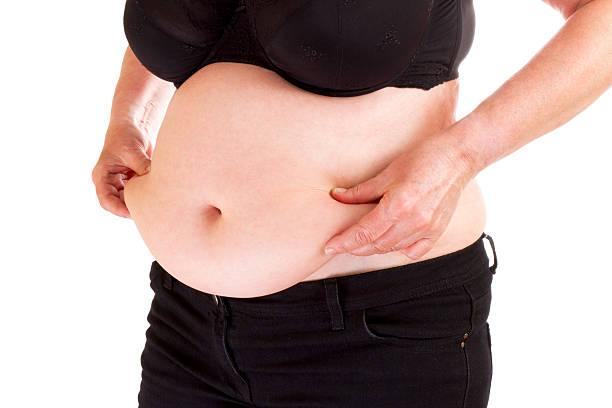
Major weight loss can create meaningful changes in body shape, but it may also leave loose or excess skin around the abdomen. When skin has been stretched for an extended period, it may not fully contract after weight reduction. For suitable individuals, Tummy tuck surgery in Riyadh (عملية شد البطن في الرياض) can be considered as a surgical body-contouring approach for addressing persistent abdominal skin and improving the shape of the midsection.
Why Excess Skin Can Remain After Weight Loss
Reduced Skin Elasticity
Skin elasticity varies from person to person. Age, genetics, the amount of weight lost, and how long the skin was stretched can all influence how much it contracts afterward.
Significant Weight Reduction
Losing a large amount of weight can reduce the volume beneath the skin while leaving excess tissue behind. This may create folds, overhanging skin, or an uneven abdominal contour.
Changes in Body Proportions
After substantial weight loss, the abdomen may appear disproportionate to the waist or surrounding areas because excess skin can remain even when overall body weight has changed.
How Abdominoplasty Addresses Post-Weight-Loss Skin
A tummy tuck is primarily a body-contouring procedure rather than a weight-loss treatment. It focuses on selected excess skin and may address underlying abdominal tissues when appropriate. Abdominoplasty and tummy tuck in Riyadh can therefore be discussed with individuals whose weight has changed significantly but who continue to experience abdominal skin laxity.
Removing Excess Abdominal Skin
The surgeon evaluates the amount and location of excess tissue before determining how much skin can be safely removed.
Creating a Smoother Contour
After excess skin is removed, the remaining tissue can be repositioned to create a more streamlined abdominal surface.
Addressing Selected Tissue Laxity
Depending on individual anatomy, underlying abdominal tissues may also be considered during surgical planning to support the overall contour.
When Is Post-Weight-Loss Tummy Tuck Considered?
After Weight Stabilization
A stable weight can make surgical planning more predictable. Individuals who are still experiencing major weight changes may be advised to discuss appropriate timing with their healthcare provider.
When Excess Skin Causes Ongoing Concerns
Loose abdominal skin may affect clothing choices, body proportions, or personal comfort. A professional assessment can determine whether surgery addresses the specific concern.
When Lifestyle Efforts Are Not Enough
Exercise and healthy eating can support fitness and weight management but cannot physically remove substantial excess skin. Surgical contouring may be considered when loose skin remains the primary concern.
Selecting the Right Abdominoplasty Approach
Full Tummy Tuck
A full abdominoplasty may be appropriate when excess skin and laxity involve a broader portion of the abdomen.
Mini Tummy Tuck
A mini tummy tuck may be considered when excess skin is concentrated mainly in the lower abdomen.
Extended Tummy Tuck
An extended approach can be discussed when excess skin extends toward the sides of the abdomen. The appropriate technique depends on individual body structure.
Preparing for Post-Weight-Loss Body Contouring
Review Your Weight History
Discussing previous weight changes and current weight stability helps the surgical team understand your body-contouring needs.
Assess Skin Quality
The amount of loose skin, its location, and its elasticity can all influence the proposed treatment plan.
Establish Realistic Goals
A tummy tuck can reshape selected tissues, but it cannot prevent future changes caused by aging, pregnancy, or substantial weight fluctuations.
Recovery After Tummy Tuck Surgery
Expect Temporary Changes
Swelling, bruising, tightness, and tenderness may occur during the initial recovery period. These effects gradually change as healing progresses.
Follow Activity Instructions
Walking and daily activities should be resumed according to the surgical team's guidance. Heavy lifting and strenuous exercise generally require additional healing time.
Attend Follow-Up Appointments
Regular follow-up allows the surgical team to monitor the healing process and provide guidance as recovery progresses.
Maintaining Your Post-Weight-Loss Contour
Maintaining a relatively stable weight after surgery can help support the abdominal contour. Balanced nutrition and appropriate physical activity can also contribute to long-term health. Significant future weight gain or loss may alter the tissues again, while pregnancy can also change the abdominal area.
Book an Appointment
If significant weight loss has left you with persistent excess abdominal skin, a professional consultation can help you understand your body-contouring options. Royal Clinic Saudi (عيادات رويال كلينك) can discuss Abdominoplasty and tummy tuck in Riyadh according to your current anatomy, weight stability, skin concerns, treatment goals, and expected recovery.
FAQs:
Is a tummy tuck suitable after major weight loss?
It may be considered when significant excess abdominal skin remains after weight has stabilized.
Can exercise remove excess abdominal skin?
No. Exercise can strengthen muscles but cannot remove substantial loose skin.
Should my weight be stable before a tummy tuck?
Weight stability is generally an important consideration when planning body-contouring surgery.
Can excess skin return after abdominoplasty?
Major weight changes or pregnancy can alter the abdominal contour after surgery.
