

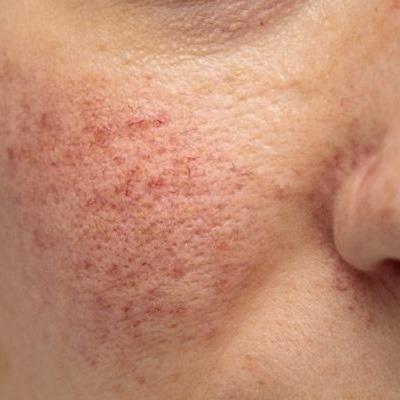

Skin conditions can appear in many forms, including redness, itching, dryness, rashes, pigmentation changes, acne-like lesions, scaling, or unusual growths. Because similar symptoms can occur with different conditions, proper assessment is an important first step before choosing a treatment approach. Skin Disease Treatment in Dubai should ideally begin with a detailed evaluation rather than relying only on visible symptoms.
Tajmeels Clinic takes a patient-focused approach to assessing different skin conditions, considering the individual's symptoms, skin type, medical background, and treatment goals. This structured process can help identify relevant factors and guide an appropriate care plan.
Why Proper Skin Assessment Matters
A skin concern may have several possible causes. For example, redness can be associated with irritation, allergies, inflammation, infection, or other dermatological conditions. Similarly, itching may occur with eczema, dermatitis, fungal infections, or other skin problems.
A thorough assessment helps healthcare professionals understand the pattern and characteristics of the condition. It also provides an opportunity to identify factors that may be contributing to recurring or persistent symptoms.
For patients seeking Skin Disease Treatment in Dubai, an individualized assessment can therefore be more useful than applying the same treatment approach to every skin concern.
Reviewing Symptoms and Skin Changes
The assessment generally begins with understanding what the patient has noticed. Important details may include:
- When the skin problem first appeared
- Whether symptoms are getting better or worse
- Areas of the body affected
- Presence of itching, pain, burning, swelling, or irritation
- Changes in skin color or texture
- Whether the condition comes and goes
- Previous treatments and their results
- Possible triggers or environmental factors
The pattern and duration of symptoms can provide useful clinical information. For example, a short-term rash may require a different evaluation from a skin condition that has persisted for months.
Examining the Skin Carefully
A visual and physical examination is another important part of dermatological assessment. The healthcare professional may examine the affected area for characteristics such as redness, scaling, dryness, bumps, lesions, pigmentation, swelling, or changes in texture.
The location of a skin concern can also be relevant. Some conditions commonly affect particular areas, while others can occur across multiple parts of the body.
Skin characteristics such as sensitivity, oiliness, dryness, and overall condition may also be considered when developing an individualized treatment plan.
Understanding Medical and Skin History
Medical history can provide important context when assessing a skin condition. Patients may be asked about previous dermatological problems, allergies, medications, existing medical conditions, and previous procedures or treatments.
Family history may also be relevant for certain skin conditions. In addition, information about skincare products, cosmetics, hair-removal methods, sun exposure, and lifestyle habits can help identify potential contributing factors.
Providing accurate information during consultation allows the healthcare professional to consider a broader picture rather than focusing only on the visible symptom.
Considering Environmental Factors in Dubai
Dubai's climate can influence how some people experience their skin. Heat, humidity, sun exposure, air conditioning, and environmental changes may affect skin comfort and barrier function.
For example, frequent exposure to heat and sweating may contribute to irritation in susceptible individuals, while prolonged sun exposure can influence several types of skin concerns.
However, environmental factors are only one part of an assessment. A healthcare professional needs to consider the patient's symptoms, history, and clinical findings before determining what may be contributing to a particular condition.
Assessing Different Types of Skin Conditions
Skin disease assessment can involve a wide range of concerns. These may include inflammatory conditions such as eczema and dermatitis, psoriasis, acne-related conditions, fungal infections, bacterial skin infections, allergic reactions, pigmentation disorders, and other dermatological problems.
Because symptoms can overlap, diagnosis should be based on an appropriate clinical assessment. In some situations, additional diagnostic procedures or testing may be considered when needed to clarify the condition.
This is particularly important when a skin problem is persistent, recurring, rapidly changing, painful, infected-looking, or not responding to previous treatment.
Creating a Personalized Treatment Approach
Once the skin condition and contributing factors have been assessed, the next step is determining an appropriate management approach. Treatment can vary considerably depending on the condition and its severity.
Depending on the diagnosis, management may involve prescribed topical or oral medications, skincare recommendations, lifestyle adjustments, procedures, or monitoring. The specific approach should be determined by a qualified healthcare professional according to the individual's needs.
Personalization is particularly important because a product or treatment that works for one skin condition may not be suitable for another.
The Role of Tajmeels Clinic in Dubai
At Tajmeels clinic , skin concerns are approached with attention to the individual's symptoms, skin characteristics, medical history, and personal goals. The clinic's assessment process is designed to understand the nature of a patient's concern before discussing suitable treatment options.
For people seeking Skin Disease Treatment in Dubai, a consultation at Tajmeels Clinic can provide an opportunity to discuss persistent symptoms, previous treatment experiences, skincare routines, and concerns about their skin. A personalized assessment can help establish a more informed direction for ongoing care.
Why Follow-Up Can Be Important
Some skin conditions require ongoing management rather than a single treatment session. Follow-up appointments can help assess changes in symptoms, monitor the skin's response, and determine whether the treatment approach needs adjustment.
Patients should also follow the recommended treatment instructions and communicate any unexpected reactions or changes to their healthcare provider. Avoiding self-treatment or repeatedly changing products without professional guidance may help reduce unnecessary irritation.
Conclusion
Effective Skin Disease Treatment in Dubai starts with understanding the individual condition. A structured assessment can consider symptoms, skin appearance, medical history, environmental factors, previous treatments, and individual needs. Tajmeels Clinic uses this patient-centered approach to help evaluate different skin concerns and guide personalized care.
More Information
Tajmeels Clinic Dubai
WhatsApp: +971 56 203 8751
Phone: tel:+971 43739000
Social Media:
