


A Complete Guide to Dental Implants: What to Know Before Choosing a Dentist
A missing tooth can affect much more than the appearance of your smile. It may make chewing uncomfortable, affect speech, and gradually influence the way your remaining teeth fit together. Fortunately, modern dentistry offers several tooth-replacement solutions, and dental implants have become a widely used option for restoring both function and appearance.
If you are researching treatment options or searching online for a dentist near me, understanding the basics of dental implants can help you have a more informed conversation with a dental professional.
What Are Dental Implants?
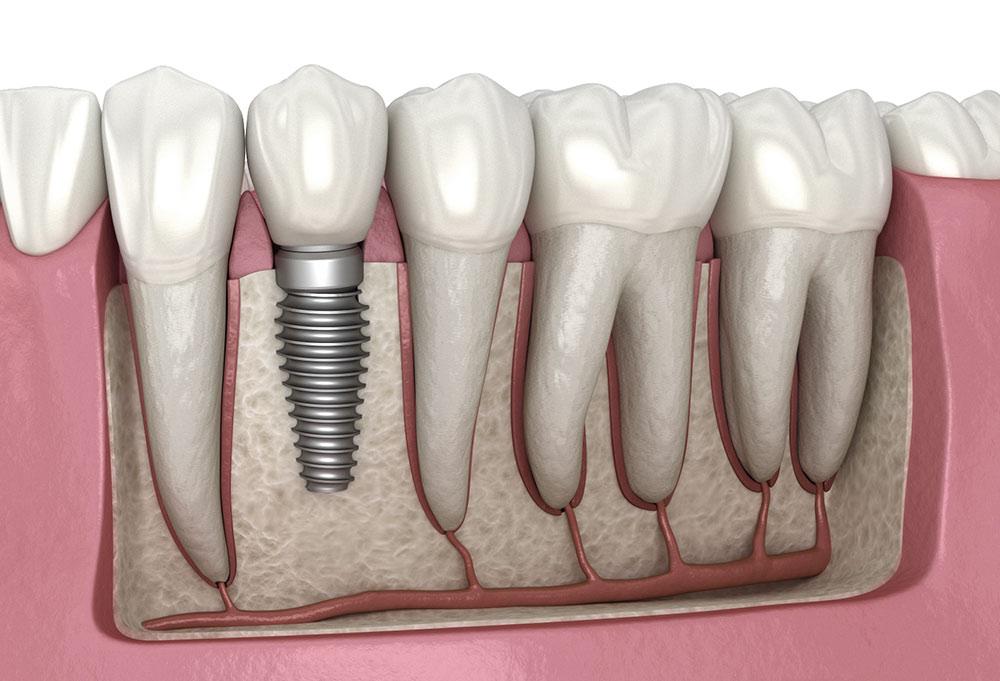
Dental implants are designed to replace the root of a missing tooth. They typically consist of a small implant fixture placed into the jawbone, an abutment that connects the fixture to the restoration, and a dental crown or other prosthetic tooth.
The implant is designed to integrate with the surrounding bone during the healing process. This creates a stable foundation for the replacement tooth.
Unlike removable dentures, an implant-supported tooth is anchored in the jaw. This can provide stability when eating and speaking while also creating a natural-looking appearance when properly planned and restored.
Why Do People Choose Dental Implants?
There are several reasons patients consider dental implants after losing a tooth. One major consideration is function. A stable replacement tooth can make it easier to chew compared with some removable options.
Implants may also help support the structure of the jaw after tooth loss. When a natural tooth and its root are missing, the surrounding bone can gradually change over time.
Another consideration is appearance. A custom-made crown can be designed to complement the color, shape, and size of the surrounding teeth.
However, dental implants are not automatically the right choice for everyone. A dental professional needs to evaluate your oral health and individual circumstances before recommending treatment.
Finding a Dentist Near Me for Implant Treatment
When searching for a dentist near me, it is tempting to choose a practice based only on location. For a procedure involving multiple stages, however, there are several other factors worth considering.
Look for a dental practice with appropriate experience in implant dentistry and a clear approach to treatment planning. Ask about the dentist's qualifications, diagnostic technology, implant systems used, and the types of restorations available.
Patient reviews may also provide insight into communication, appointment experiences, and general satisfaction, although reviews should be considered alongside professional credentials and consultation findings.
A face-to-face consultation is one of the best ways to determine whether a particular dental practice is suitable for your needs.
What Happens During Dental Implant Treatment?
The process generally begins with an examination and detailed treatment planning. Your dentist may take X-rays or three-dimensional images to evaluate the jawbone, gums, existing teeth, and relevant anatomical structures.
If you are considered a suitable candidate, the implant fixture is placed into the jawbone. The area then needs time to heal. During this healing period, the implant can integrate with the surrounding bone.
Once adequate healing has occurred, an abutment can be connected to the implant. A custom restoration, such as a dental crown, is then attached to complete the tooth replacement.
The overall treatment timeline varies. Some patients may require additional procedures before or during implant treatment, so your dentist should provide a personalized estimate based on your examination.
Do You Need a Bone Graft?
Not every patient has the same amount of jawbone available for implant placement. Bone loss can occur following tooth extraction or prolonged tooth loss.
If there is insufficient bone to provide a stable foundation, your dentist may discuss bone grafting or another procedure. The purpose is to create a suitable environment for implant placement.
Whether additional treatment is necessary depends on factors such as bone volume, the location of the missing tooth, and the planned implant position. Advanced imaging can help the dental team evaluate these factors.
Are Dental Implants Painful?
Many people are concerned about discomfort associated with implant surgery. Dental implant placement is performed using local anesthesia, and additional sedation options may be available depending on the dental practice and patient's needs.
Some soreness, swelling, or sensitivity can occur after the procedure. Your dentist will provide aftercare instructions and explain what symptoms are expected during recovery.
Following the recommended instructions can support healing and help reduce unnecessary complications.
Caring for Your Dental Implants
Proper maintenance is essential after receiving dental implants. Although the implant itself is not a natural tooth, the gums and tissues surrounding it still require regular care.
Brush your teeth consistently, clean between your teeth as recommended, and attend routine dental examinations. Your dentist may suggest specific cleaning tools depending on the type of restoration you have.
Regular professional checkups allow the dental team to monitor the implant, surrounding gums, and other teeth. Maintaining good oral hygiene is an important part of protecting your long-term oral health.
How Long Can Dental Implants Last?
The longevity of an implant restoration depends on several factors, including oral hygiene, gum health, lifestyle habits, bite forces, and regular professional care.
The implant and the visible restoration are different components, and the restoration may eventually require repair or replacement due to normal wear. Your dentist can explain the expected maintenance requirements for your particular treatment.
Taking care of your oral health and attending recommended appointments can help support the long-term function of your implant.
Questions to Ask Your Dentist
Before beginning treatment, prepare a list of questions for your dental consultation. Ask what type of implant restoration is recommended, how many appointments may be required, whether additional procedures are necessary, and what alternatives are available.
You can also discuss expected healing time, aftercare, maintenance, potential complications, and the estimated cost of treatment.
Clear communication helps you understand the treatment process before making a decision.
Restore Your Smile With an Informed Approach
Losing a tooth does not mean you have to live with the functional and cosmetic challenges that can follow. Dental implants can provide a stable foundation for replacing missing teeth, but successful treatment begins
A missing tooth can affect much more than the appearance of your smile. It may make chewing uncomfortable, affect speech, and gradually influence the way your remaining teeth fit together. Fortunately, modern dentistry offers several tooth-replacement solutions, and dental implants have become a widely used option for restoring both function and appearance.
If you are researching treatment options or searching online for a dentist near me, understanding the basics of dental implants can help you have a more informed conversation with a dental professional.
What Are Dental Implants?
Dental implants are designed to replace the root of a missing tooth. They typically consist of a small implant fixture placed into the jawbone, an abutment that connects the fixture to the restoration, and a dental crown or other prosthetic tooth.
The implant is designed to integrate with the surrounding bone during the healing process. This creates a stable foundation for the replacement tooth.
Unlike removable dentures, an implant-supported tooth is anchored in the jaw. This can provide stability when eating and speaking while also creating a natural-looking appearance when properly planned and restored.
Why Do People Choose Dental Implants?
There are several reasons patients consider dental implants after losing a tooth. One major consideration is function. A stable replacement tooth can make it easier to chew compared with some removable options.
Implants may also help support the structure of the jaw after tooth loss. When a natural tooth and its root are missing, the surrounding bone can gradually change over time.
Another consideration is appearance. A custom-made crown can be designed to complement the color, shape, and size of the surrounding teeth.
However, dental implants are not automatically the right choice for everyone. A dental professional needs to evaluate your oral health and individual circumstances before recommending treatment.
Finding a Dentist Near Me for Implant Treatment
When searching for a dentist near me, it is tempting to choose a practice based only on location. For a procedure involving multiple stages, however, there are several other factors worth considering.
Look for a dental practice with appropriate experience in implant dentistry and a clear approach to treatment planning. Ask about the dentist's qualifications, diagnostic technology, implant systems used, and the types of restorations available.
Patient reviews may also provide insight into communication, appointment experiences, and general satisfaction, although reviews should be considered alongside professional credentials and consultation findings.
A face-to-face consultation is one of the best ways to determine whether a particular dental practice is suitable for your needs.
What Happens During Dental Implant Treatment?
The process generally begins with an examination and detailed treatment planning. Your dentist may take X-rays or three-dimensional images to evaluate the jawbone, gums, existing teeth, and relevant anatomical structures.
If you are considered a suitable candidate, the implant fixture is placed into the jawbone. The area then needs time to heal. During this healing period, the implant can integrate with the surrounding bone.
Once adequate healing has occurred, an abutment can be connected to the implant. A custom restoration, such as a dental crown, is then attached to complete the tooth replacement.
The overall treatment timeline varies. Some patients may require additional procedures before or during implant treatment, so your dentist should provide a personalized estimate based on your examination.
Do You Need a Bone Graft?
Not every patient has the same amount of jawbone available for implant placement. Bone loss can occur following tooth extraction or prolonged tooth loss.
If there is insufficient bone to provide a stable foundation, your dentist may discuss bone grafting or another procedure. The purpose is to create a suitable environment for implant placement.
Whether additional treatment is necessary depends on factors such as bone volume, the location of the missing tooth, and the planned implant position. Advanced imaging can help the dental team evaluate these factors.
Are Dental Implants Painful?
Many people are concerned about discomfort associated with implant surgery. Dental implant placement is performed using local anesthesia, and additional sedation options may be available depending on the dental practice and patient's needs.
Some soreness, swelling, or sensitivity can occur after the procedure. Your dentist will provide aftercare instructions and explain what symptoms are expected during recovery.
Following the recommended instructions can support healing and help reduce unnecessary complications.
Caring for Your Dental Implants
Proper maintenance is essential after receiving dental implants. Although the implant itself is not a natural tooth, the gums and tissues surrounding it still require regular care.
Brush your teeth consistently, clean between your teeth as recommended, and attend routine dental examinations. Your dentist may suggest specific cleaning tools depending on the type of restoration you have.
Regular professional checkups allow the dental team to monitor the implant, surrounding gums, and other teeth. Maintaining good oral hygiene is an important part of protecting your long-term oral health.
How Long Can Dental Implants Last?
The longevity of an implant restoration depends on several factors, including oral hygiene, gum health, lifestyle habits, bite forces, and regular professional care.
The implant and the visible restoration are different components, and the restoration may eventually require repair or replacement due to normal wear. Your dentist can explain the expected maintenance requirements for your particular treatment.
Taking care of your oral health and attending recommended appointments can help support the long-term function of your implant.
Questions to Ask Your Dentist
Before beginning treatment, prepare a list of questions for your dental consultation. Ask what type of implant restoration is recommended, how many appointments may be required, whether additional procedures are necessary, and what alternatives are available.
You can also discuss expected healing time, aftercare, maintenance, potential complications, and the estimated cost of treatment.
Clear communication helps you understand the treatment process before making a decision.
Restore Your Smile With an Informed Approach
Losing a tooth does not mean you have to live with the functional and cosmetic challenges that can follow. Dental implants can provide a stable foundation for replacing missing teeth, but successful treatment begins with proper assessment and planning.
If you are searching for a dentist near me, consider scheduling a consultation with a qualified dental professional who can evaluate your oral health and explain your options. With personalized planning, professional care, and consistent maintenance, dental implants can become an effective part of a comprehensive tooth-replacement plan.
with proper assessment and planning.
If you are searching for a dentist near me, consider scheduling a consultation with a qualified dental professional who can evaluate your oral health and explain your options. With personalized planning, professional care, and consistent maintenance, dental implants can become an effective part of a comprehensive tooth-replacement plan.

 Bangla