


Understanding Wound Care Services in Troy, Michigan: What Patients Should Know
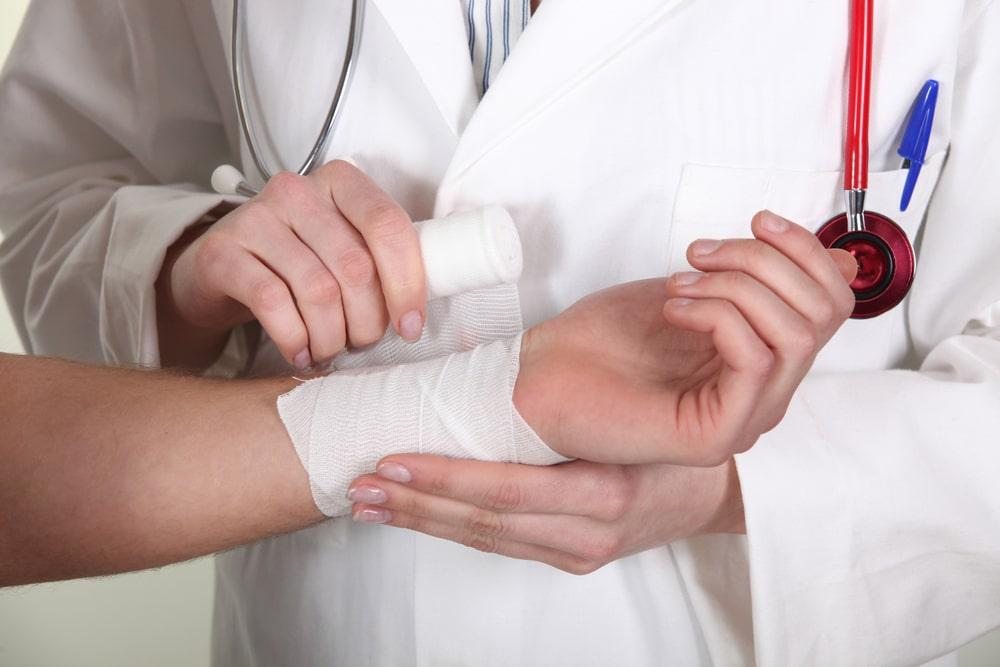
Wounds can affect people of all ages, but they may require additional attention when healing is slow or the patient has an underlying medical condition. Appropriate care begins with understanding the cause and condition of the wound rather than relying on a one-size-fits-all approach. Wound care services in Troy, Michigan can provide professional assessment and ongoing support for patients who need help managing injuries, surgical wounds, pressure injuries, or other difficult-to-heal wounds. Healthcare professionals can evaluate healing progress and determine whether additional treatment or monitoring is appropriate. For patients and caregivers, knowing what to expect can make wound management more organized and less stressful.
What Wound Care Services Include
Professional wound care begins with an assessment of the wound and the patient's overall health. A qualified healthcare professional may examine the wound's location, size, appearance, drainage, surrounding skin, and signs of healing or complications. The provider may also review medications, existing medical conditions, nutrition, mobility, and other factors that could affect recovery. Based on the assessment, an individualized care plan can be developed according to the patient's specific needs. The type and frequency of care will vary depending on the wound and the recommendations of the treating professional.
Wound care can include several different services rather than simply changing a dressing. Depending on the clinical situation, care may involve cleaning, dressing management, monitoring, patient education, pressure-relief strategies, and coordination with other healthcare professionals. Michigan identifies wound care among certain complex care tasks that may be available through its Home Help program for eligible individuals. Home health services in Michigan can also include medically necessary skilled nursing for qualifying illnesses, injuries, or disabilities.
Common Types of Wounds Requiring Professional Attention
Some wounds heal naturally with basic care, while others require regular professional monitoring. Surgical wounds may need continued observation after a procedure, particularly when the patient has difficulty managing dressing changes independently. Pressure injuries can develop when prolonged pressure affects an area of the body, making prevention and consistent management important. Chronic wounds may also occur in people with conditions that interfere with circulation, sensation, or the body's normal healing process. A healthcare professional can determine whether a wound requires routine care or more specialized evaluation.
Other wounds can result from accidents, falls, skin tears, or repeated friction and pressure. Older adults may be particularly vulnerable to skin injuries because aging skin can become thinner and more susceptible to damage. A wound that does not appear to be improving should be brought to the attention of a qualified healthcare professional. Changes such as increasing redness, swelling, drainage, pain, or odor can require prompt assessment. Patients should avoid assuming that every wound can be safely managed with the same products or home treatment approach.
Why Professional Wound Assessment Matters
A proper wound assessment provides information that may not be apparent from simply looking at the injured area. Healthcare professionals consider the patient's medical history and factors that could influence healing, including mobility, nutrition, medications, circulation, and existing health conditions. They can also monitor whether the wound is progressing as expected and determine whether the treatment plan needs to change. Regular documentation of wound characteristics can help the care team recognize meaningful changes over time. This structured approach supports more informed decisions about ongoing treatment.
Professional assessment is especially important when a wound is persistent, recurring, or becoming more complicated. Delayed healing can sometimes indicate that additional medical evaluation is necessary. The healthcare professional may recommend consultation with another specialist or additional testing when appropriate. Patients should provide complete information about previous treatments and any changes they have noticed. Clear communication between patients, caregivers, nurses, physicians, and specialists can help keep wound management coordinated and consistent.
Comfortable Wound Healing in Your Home
Receiving appropriate wound-related care in a familiar environment may reduce the physical burden associated with transportation and waiting-room visits. Comfortable wound healing in your home Michigan can be particularly valuable for patients who have difficulty traveling because of pain, reduced mobility, age, or recovery from surgery. Home-based care can also allow caregivers to participate in discussions and learn how to follow professional instructions. Michigan's Home Help program is designed to support eligible individuals who want to live safely and independently at home, and its listed complex care tasks include wound care.
Home-based care does not mean that every wound can or should be treated exclusively at home. Some wounds require specialized procedures, diagnostic testing, surgical intervention, or treatment in another healthcare setting. A qualified professional should determine the appropriate level of care based on the patient's condition. Michigan's home health program specifically describes services as medically necessary care for qualifying injuries, illnesses, or disabilities, rather than general personal care. Understanding this distinction can help families arrange the appropriate type of support.
What Patients Should Expect During a Wound Care Visit
A wound care appointment generally begins with a discussion of the patient's current symptoms and medical history. The healthcare professional may ask when the wound developed, how it happened, what treatments have already been attempted, and whether the patient's condition has changed. The wound may then be examined to evaluate its appearance and healing progress. Depending on the patient's needs, the professional may provide or recommend appropriate wound management and explain how care should continue between visits. Patients should ask questions whenever instructions are unclear.
Caregivers can make appointments more productive by keeping medication information, previous treatment instructions, and relevant medical records available. It can also be useful to maintain a simple record of changes in the wound, including increased pain, drainage, redness, swelling, or other concerns. If home wound care is part of a larger healthcare plan, communication between the physician and nursing team can be important. Michigan's Home Health program distinguishes skilled healthcare services from personal care services, so families should clarify which type of professional is providing each aspect of care.
Choosing Wound Care Support in Troy
When considering wound care services in Troy, Michigan, patients should ask about the qualifications and experience of the healthcare professionals who will provide treatment. It is reasonable to ask what types of wounds the provider manages, whether home visits are available, how often reassessments are performed, and how changes in a patient's condition are communicated. Patients should also clarify whether the service works with their existing physician or specialist. Coordination can be especially important for people with complicated wounds or multiple medical conditions. Families should also understand appointment procedures, payment arrangements, and insurance requirements before care begins.
Michigan provides resources for patients and families seeking to verify state licensing information for facilities, agencies, and programs. For home health agencies seeking participation in Medicare or Medicaid, Michigan's regulatory information explains that agencies providing skilled nursing services may apply for federal certification, while individual health professionals should verify their applicable professional licensing requirements. Patients can use these resources as part of their provider-selection process. Asking direct questions about credentials and scope of services can also help families understand who will be responsible for different aspects of care.
Supporting Safe and Consistent Wound Healing
Good wound care depends on consistency, professional assessment, and attention to changes in the patient's condition. Patients should follow the treatment instructions provided by their healthcare team and avoid changing prescribed wound care routines without appropriate guidance. Caregivers can support healing by helping organize appointments, supplies, medications, and follow-up instructions. Nutrition, mobility, pressure management, and control of underlying health conditions may also be relevant to the overall care plan. Each patient's needs are different, so recommendations should be based on professional assessment rather than general assumptions.
Patients should contact their healthcare professional promptly if a wound appears to worsen or develops concerning changes. Increasing redness, swelling, pain, drainage, fever, or other signs of possible infection should not be ignored. Severe symptoms or a medical emergency require urgent evaluation rather than waiting for a routine home visit. For eligible patients, appropriate home-based services can provide useful support while allowing them to remain in a familiar environment. With qualified professional guidance and consistent follow-up, wound care can become a structured part of a patient's broader healthcare plan in Troy, Michigan.

 Bangla