

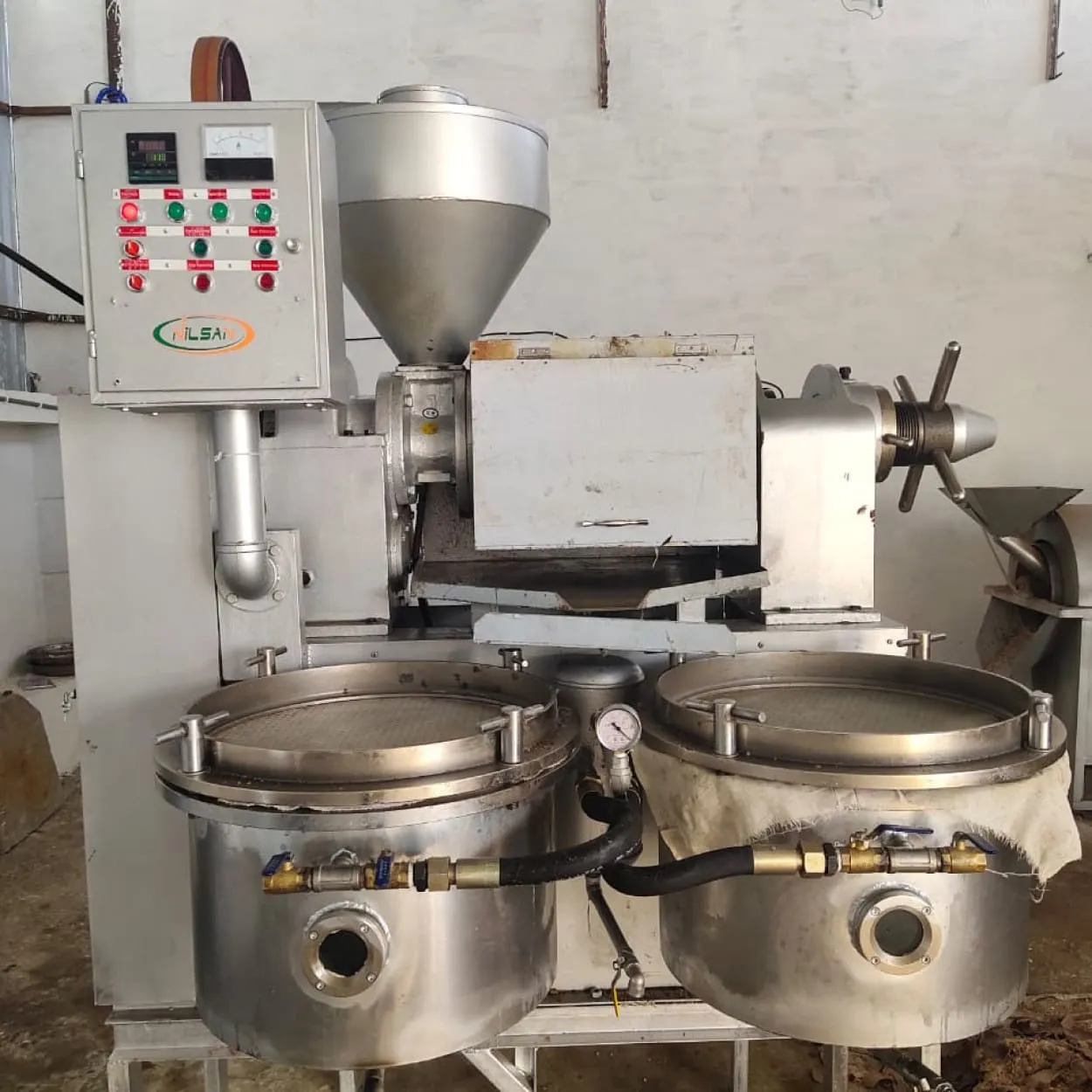

Oil Expeller: An Efficient Solution for Oil Extraction
An oil expeller is a mechanical machine used to extract oil from seeds and other oil-bearing materials through continuous pressure. It is widely used for processing groundnut, sesame, mustard, sunflower, coconut, soybean, and several other seeds. Compared with traditional extraction methods, an oil expeller provides a practical way to process seeds with consistent operation and controlled output.
For small businesses, farmers, oil producers, and commercial processing units, selecting the right machine is important. The machine should match the type of seeds, expected production capacity, available space, and operating requirements.
What Is an Oil Expeller?
An oil expeller is designed to separate oil from seeds by applying mechanical pressure. The seeds are placed into the feeding section, where they move toward a rotating screw shaft. As the seeds travel through the pressing chamber, pressure gradually increases.
This pressure releases the oil from the seeds. The extracted oil is collected separately, while the remaining compressed material comes out as oil cake.
The basic process involves:
- Feeding cleaned seeds into the machine
- Moving the seeds through the pressing chamber
- Applying continuous mechanical pressure
- Separating the extracted oil
- Collecting the remaining oil cake
The process is straightforward, making an oil expeller suitable for different scales of oil production.
How Does an Oil Expeller Work?
The working principle of an oil expeller is based on mechanical pressing.
First, the seeds are cleaned and prepared for processing. They are then fed into the machine through the inlet. A rotating screw shaft moves the seeds forward inside the pressing chamber.
As the available space inside the chamber becomes smaller, pressure increases. This pressure causes the oil contained within the seeds to separate. The oil flows through designated openings, while the compressed seed material continues toward the outlet.
The performance of the machine can depend on several factors, including:
- Type of seed
- Seed moisture level
- Seed preparation
- Screw speed
- Pressing pressure
- Machine capacity
- Operating temperature
Proper preparation and machine settings can help maintain a consistent extraction process.
Why Use an Oil Expeller for Oil Production?
An oil expeller can be used for both small-scale and commercial oil production, depending on the machine model and production requirements.
Some of the main advantages include:
1. Continuous Oil Extraction
The machine is designed to process seeds continuously rather than requiring individual manual pressing for every batch. This can make the overall production process more convenient.
2. Suitable for Different Seeds
Depending on the machine design and configuration, an expeller can process several types of oil-bearing seeds. This gives businesses flexibility when working with different raw materials.
3. Suitable for Different Production Scales
Oil expellers are available in different capacities. Smaller models can be considered by startups and small producers, while larger machines can support commercial oil processing operations.
4. Better Use of Processing Space
A properly selected machine can provide an organised oil extraction setup without requiring unnecessarily large floor space.
5. Oil Cake as a By-Product
Oil extraction does not only produce oil. The compressed seed material, commonly known as oil cake, can also have commercial or agricultural uses depending on the seed and processing method.
Oil Expeller for a Mini Oil Mill
For entrepreneurs planning to establish a Mini Oil Mill, an oil expeller can be an important part of the production setup.
A mini oil mill generally focuses on producing edible or other types of seed-based oils on a smaller scale. It may serve local customers, retailers, food businesses, farmers, or small brands.
When setting up a mini oil mill, the machine should be selected according to the expected daily production rather than simply choosing the largest available model.
Important factors include:
- Required production capacity
- Available electrical power
- Type of seeds to be processed
- Available operating space
- Labour requirements
- Cleaning and maintenance needs
- Future production plans
Choosing the right capacity from the beginning can help avoid unnecessary investment while still allowing the business to handle regular production.
Seeds That Can Be Processed Using an Oil Expeller
Different oil expeller models can be designed to process different oil-bearing materials. Common examples include:
- Groundnut
- Sesame
- Mustard
- Sunflower
- Soybean
- Coconut or copra
- Flaxseed
- Castor seed
- Cottonseed
- Neem seed
However, not every machine is suitable for every seed. Before purchasing a machine, businesses should confirm whether the selected model is appropriate for their specific raw materials and required production capacity.
Important Features to Consider Before Buying an Oil Expeller
Choosing an oil expeller requires more than checking its price. The machine should be evaluated according to the actual production requirements.
Production Capacity
Consider how much seed you need to process per hour or per day. Selecting a machine that matches your expected workload can help maintain a practical production schedule.
Motor Power
Motor capacity affects how effectively the machine can handle different types of seeds. Harder materials and higher production requirements may require greater motor power.
Pressing Chamber
The construction and design of the pressing chamber can influence machine performance and durability. Components that come into contact with the seed and oil should be suitable for the intended application.
Ease of Operation
A machine with straightforward controls can make daily operation easier, particularly for small businesses with limited staff.
Maintenance Requirements
Regular cleaning, lubrication, inspection, and replacement of worn components are important for maintaining machine performance. Check whether spare parts and technical support are available.
Machine Construction
A strong and properly manufactured machine can be better suited to regular production. Pay attention to the materials used, build quality, and overall design before making a purchase.
Applications of an Oil Expeller
An oil expeller can be used across several types of oil processing businesses.
It may be suitable for:
- Small oil production businesses
- Commercial oil mills
- Farmers and agricultural businesses
- Cold-pressed oil producers
- Food processing units
- Organic oil businesses
- Oil processing startups
- Multi-seed oil production units
The appropriate machine depends on the raw material, desired oil type, production volume, and operating process.
How to Get Better Results from an Oil Expeller
Machine selection is only one part of successful oil extraction. Proper seed preparation and regular maintenance also matter.
Before pressing, seeds should be properly cleaned and prepared according to the requirements of the particular seed. Moisture and temperature should also be controlled where necessary.
The machine should be cleaned regularly to prevent leftover material from affecting subsequent batches. Moving parts should be inspected according to the manufacturer's maintenance recommendations.
Operators should also avoid exceeding the recommended machine capacity. Running equipment beyond its intended operating range can affect performance and increase wear.
Conclusion
An oil expeller provides a practical mechanical method for extracting oil from a wide range of oil-bearing seeds. Its continuous pressing process, different capacity options, and suitability for various applications make it useful for small producers as well as commercial oil processing units.
Whether you are starting a Mini Oil Mill or expanding an existing oil production business, selecting the machine according to your seed type, production volume, available space, and operating requirements is essential.
A properly selected and maintained oil expeller can become an important part of an efficient oil extraction setup while also allowing businesses to process different raw materials according to market demand.
