

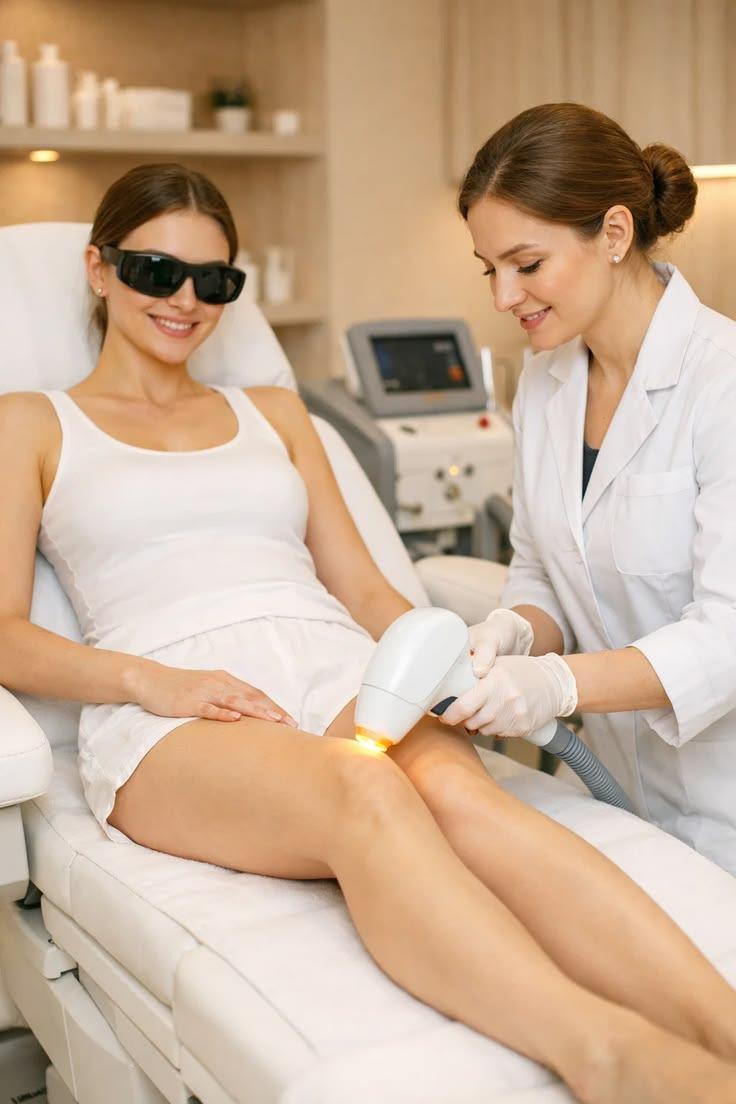

Smooth, hair-free skin is a common grooming goal, but maintaining it can require considerable time and effort. Shaving, waxing, and threading can temporarily remove unwanted hair, yet these methods often need to be repeated regularly. Some people may also experience razor bumps, irritation, or ingrown hairs as a result of frequent hair removal.
Laser hair removal provides a modern approach to reducing unwanted hair. By using concentrated light energy to target hair follicles, the treatment can slow future hair growth and help create a smoother appearance. With an appropriate treatment plan and professional guidance, it can become a convenient addition to a long-term beauty routine.
How Laser Hair Removal Works
Laser hair removal uses focused light energy to target pigment in the hair. The energy is absorbed by the hair and converted into heat, which affects the targeted follicle and its ability to produce new hair.
Hair follicles do not all grow at the same time. Because the laser is most effective during particular stages of the hair-growth cycle, multiple sessions are generally required.
The number of treatments varies depending on factors such as hair thickness, hair color, skin tone, treatment area, and individual response.
A Convenient Alternative to Traditional Hair Removal
Shaving is quick, but its results are short-lived. Waxing and threading can provide longer-lasting results but require repeated appointments or regular maintenance.
Laser hair removal takes a longer-term approach by targeting the follicle. As treatment progresses, many people notice that hair becomes finer, lighter, and less dense.
Although the initial treatment plan requires several appointments, reduced hair growth can make everyday grooming less demanding.
Enjoy Smoother-Looking Skin
One of the main attractions of laser hair removal is the potential for smoother-looking skin. Frequent shaving can produce visible stubble, while waxing may leave temporary redness or sensitivity.
As unwanted hair gradually becomes less noticeable, the treated areas can appear smoother between grooming sessions. This can be particularly beneficial for areas such as the legs, arms, underarms, and bikini line.
Reduce the Need for Frequent Shaving
Regular shaving can become a repetitive task. People with fast-growing hair may need to shave several times a week to maintain their preferred appearance.
Laser treatment may reduce the frequency of shaving by slowing hair regrowth. Over time, this can free up time in your daily or weekly beauty routine.
Less frequent shaving can also mean fewer purchases of razors, shaving creams, and other grooming products.
May Help With Ingrown Hairs
Ingrown hairs are often associated with shaving and waxing. They develop when hair grows back into the skin instead of emerging normally.
By reducing the number of active hair follicles producing new hair, laser hair removal may help decrease recurring ingrown hairs for some individuals.
However, results vary. If you have persistent bumps, inflammation, or other skin concerns, discuss them with a qualified professional before beginning treatment.
Treatment for Different Body Areas
Laser hair removal can be performed on various body areas when considered appropriate. Common areas include the legs, arms, underarms, back, chest, bikini area, and selected facial regions.
The upper lip and chin may also be treated. Smaller areas often require less treatment time than larger body areas.
A consultation allows a practitioner to determine which areas can be treated and develop an appropriate plan.
Personalized Treatment for Your Skin and Hair
No two people have exactly the same skin and hair characteristics. Factors such as skin tone, hair color, hair thickness, and treatment area can influence the laser settings and expected results.
A qualified practitioner can evaluate these characteristics before treatment. This allows the treatment to be adjusted to individual requirements and can help minimize the risk of unwanted skin reactions.
Hormonal factors may also influence hair growth, meaning some people may require additional sessions or a different approach.
What to Expect During a Session
Before treatment, the area is prepared according to professional instructions. The practitioner then uses a laser device to deliver controlled pulses of light to the targeted follicles.
During treatment, you may notice sensations such as warmth, tingling, or brief snapping. Comfort levels vary depending on individual sensitivity, treatment area, hair thickness, and the equipment used.
Many modern laser systems have cooling features designed to make treatment more comfortable. Session length depends on the size of the area being treated.
Take Care of Your Skin After Treatment
Temporary redness, warmth, or sensitivity may occur after a laser hair-removal session. These effects vary and generally settle with time.
Your practitioner may recommend avoiding excessive sun exposure and certain irritating skincare products immediately after treatment. Following professional aftercare instructions can help protect the treated skin.
Avoid scratching or picking at the area, and use recommended skincare products as directed.
Choosing a Qualified Provider
Professional expertise matters when undergoing laser hair removal. Before selecting a clinic or practitioner, consider their qualifications, experience, equipment, hygiene standards, consultation process, and aftercare support.
A responsible provider should explain the procedure, potential side effects, expected results, treatment schedule, and preparation requirements.
It is also important to maintain realistic expectations. Laser hair removal is generally intended to provide long-term hair reduction rather than guaranteed permanent removal.
A Practical Addition to Your Beauty Routine
For people who are tired of frequent shaving and waxing, laser hair removal can provide a more convenient approach to managing unwanted hair. By gradually reducing hair growth, it can simplify grooming and help maintain smoother-looking skin.
The treatment requires patience and consistency because several sessions are normally needed. However, following a professional treatment plan and appropriate aftercare can make laser hair removal a practical option for long-term hair management.
Frequently Asked Questions
1. How long do laser hair-removal results last?
Laser hair removal can provide long-term hair reduction, but results vary from person to person. Some regrowth may occur, and maintenance sessions may be recommended to manage new hair growth.
2. Is laser hair removal suitable for both men and women?
Yes, laser hair removal can be used by both men and women. Treatment areas and individual requirements differ, so a professional consultation is recommended before starting a treatment plan.
3. Can I shave between laser hair-removal sessions?
Shaving is often possible between sessions because it does not remove the follicle. However, your practitioner may provide specific instructions based on your treatment plan, so follow their guidance.
4. Is laser hair removal in Islamabad safe?
Laser hair removal in Islamabad can be performed safely when suitable equipment, appropriate settings, hygiene procedures, and professional techniques are used. A consultation should be completed before treatment.
5. How much does laser hair removal in Islamabad cost?
The cost of laser hair removal in Islamabad varies according to the treatment area, number of sessions, technology, clinic, and individual needs. A consultation can provide a more accurate estimate.
6. How can I choose a clinic for laser hair removal in Islamabad?
When selecting laser hair removal in Islamabad, consider the practitioner's qualifications, experience, technology, hygiene standards, consultation process, and aftercare guidance. Ask about realistic treatment outcomes before beginning.
For more information visit Enfield royal clinic in islamabad
