

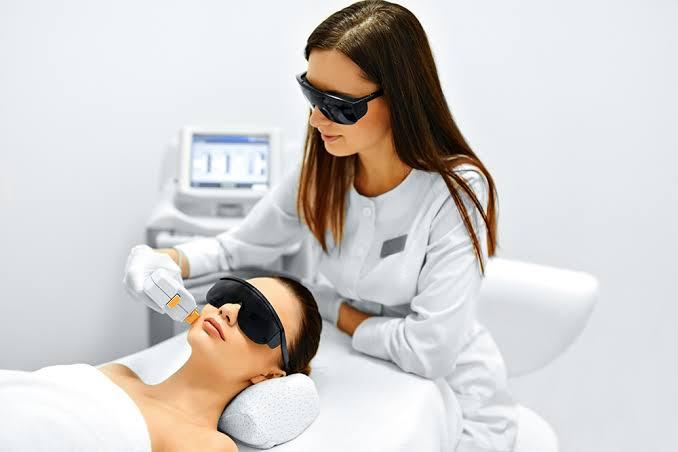
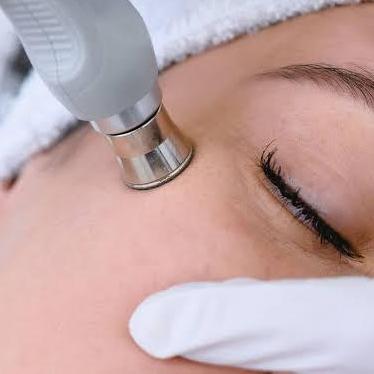
Pigmentation can appear as small dark spots, uneven patches, or more widespread changes in skin tone. Pigmentation Treatment in Dubai may be considered when discoloration becomes noticeable or persistent. Dynamic Clinic in Dubai provides pigmentation-focused care based on individual skin concerns. The treatment approach can vary considerably depending on the depth, extent, cause, and type of pigmentation.
Mild vs. Severe Pigmentation: What Changes?
The main difference is the extent and behavior of the discoloration. Mild pigmentation may involve a few superficial dark spots or slight unevenness, while severe pigmentation can cover larger areas or involve deeper pigment within the skin.
A skin assessment helps determine whether the pigmentation is superficial, deeper, inflammation-related, or associated with conditions such as melasma or post-inflammatory hyperpigmentation. This assessment is important because a treatment suitable for one type of pigmentation may not be appropriate for another.
Mild Pigmentation
Mild pigmentation is often more localized and may respond to less intensive treatment approaches. Common concerns include:
- A small number of sun spots
- Mild uneven skin tone
- Early post-acne marks
- Light areas of hyperpigmentation
- Discoloration limited to specific areas
Treatment planning may focus on improving the affected areas while maintaining the surrounding skin barrier. Topical skincare, controlled exfoliation, or selected light-based treatments may be considered depending on the pigmentation type and skin characteristics.
What Happens When Pigmentation Is More Severe?
More extensive pigmentation generally requires a more detailed evaluation. Severe or persistent discoloration may involve multiple contributing factors, including sun exposure, hormonal changes, inflammation, medication-related changes, or repeated skin irritation.
Instead of focusing only on visible spots, treatment planning may consider:
- Pigment depth
- Size of the affected area
- Skin tone and sensitivity
- Duration of pigmentation
- Previous treatments
- Possible triggers
- Risk of post-inflammatory hyperpigmentation
For deeper or widespread pigmentation, treatment may need to be introduced gradually. The objective is to address excess melanin without causing unnecessary irritation that could make discoloration more noticeable.
Why Skin Type Matters
Skin type and natural skin tone can influence how pigmentation responds to treatment. Individuals with darker skin tones may have a higher tendency to develop post-inflammatory hyperpigmentation after irritation or injury.
For this reason, pigmentation treatment should not be selected solely according to how dark the spots appear. A professional assessment can help determine the appropriate treatment intensity and whether additional skin preparation is needed.
Treatment Intensity Is Not Based Only on Severity
A common misconception is that severe pigmentation always requires the strongest available treatment. In practice, treatment intensity depends on several factors.
For example, a small area of stubborn pigmentation may require a different strategy from widespread but superficial discoloration. Similarly, melasma may need a different approach from isolated sun-induced spots because its triggers and recurrence patterns can differ.
The treatment plan may therefore involve a combination of approaches rather than simply increasing treatment strength.
How Treatment May Be Adjusted Over Time
Pigmentation often requires ongoing observation because the skin can respond gradually. During follow-up assessments, the treatment approach may be adjusted according to changes in pigmentation and skin tolerance.
For mild cases, the focus may remain on improving surface discoloration and supporting consistent skincare. More persistent cases may require staged treatment, with intervals between procedures allowing the skin to recover.
This gradual approach can be particularly relevant when treating pigmentation-prone skin.
Factors That Can Influence Treatment Response
The visible severity of pigmentation is only one part of treatment planning. Other factors can influence how the skin responds, including:
- Cause: Sun exposure, acne inflammation, hormones, and other triggers can produce different pigmentation patterns.
- Pigment depth: Pigmentation closer to the surface may behave differently from pigment located deeper within the skin.
- Skin sensitivity: Sensitive or easily irritated skin may require a more conservative approach.
- Sun exposure: Ultraviolet exposure can contribute to persistent or recurring discoloration.
- Skincare habits: Harsh products and frequent irritation may interfere with pigmentation management.
- Consistency: Following an appropriate skincare and sun-protection routine can be an important part of long-term management.
When Should Pigmentation Be Professionally Assessed?
Professional assessment can be useful when pigmentation is persistent, spreading, recurring, or difficult to identify. An evaluation is particularly relevant when dark patches develop without an obvious trigger or when previous treatments have caused irritation.
Identifying the type of pigmentation before treatment can help prevent an unsuitable procedure from being selected based only on appearance.
Conclusion
Mild and severe pigmentation can require different treatment strategies because pigmentation varies in cause, depth, distribution, and skin response. Mild discoloration may be managed with simpler approaches, while extensive or persistent pigmentation may require more detailed assessment and staged care. Understanding the underlying pigmentation pattern, skin characteristics, and contributing factors allows treatment planning to be more specific and controlled.
