

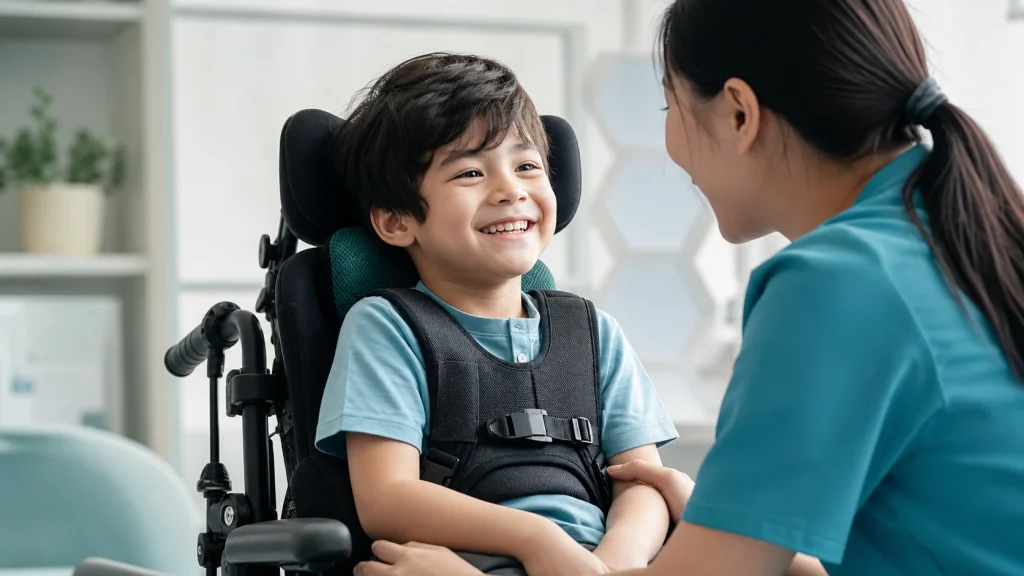
Cerebral Palsy Treatment and Mental Well-Being: Supporting the Whole Person

Cerebral palsy can influence movement, communication, independence, and participation in everyday activities, but its effects can extend beyond physical health. Supporting emotional and social well-being is an important part of person-centered care. Families seeking Cerebral Palsy Treatment In Dubai can work with healthcare professionals to create a treatment plan that addresses physical abilities while also considering confidence, social participation, communication, and emotional needs. Services such as Doctor at Home may provide convenient medical support when home-based care is appropriate. A whole-person approach recognizes that mental well-being and physical health can influence each other and should be considered together.
Understanding the Connection Between Physical and Mental Well-Being:
Living with mobility limitations or needing assistance with everyday activities can affect how a person experiences school, work, relationships, and community life. However, emotional responses vary significantly between individuals, and cerebral palsy does not automatically mean that someone will experience a mental health condition. Support should therefore be based on the individual's experiences rather than assumptions. Healthcare professionals and caregivers can create opportunities for communication, independence, meaningful activities, and social connection while remaining attentive to changes in mood or behavior.
Factors that may influence well-being include:
- Physical discomfort or pain
- Difficulty communicating
- Changes in independence
- Challenges with social participation
- Fatigue
- Barriers to education or employment
- Limited access to activities
- Changes in family or caregiving arrangements
Creating a Person-Centered Treatment Plan:
A whole-person treatment plan considers more than physical symptoms. Healthcare professionals can discuss the individual's priorities, interests, strengths, challenges, and daily environment when establishing treatment goals. This approach allows rehabilitation activities to support meaningful outcomes, such as participating in school, pursuing hobbies, communicating with friends, or becoming more independent with personal care.
A person-centered plan may include:
- Physical rehabilitation
- Occupational therapy
- Communication support
- Pain management
- Emotional support
- Social participation
- Educational or workplace accommodations
- Family and caregiver involvement
Treatment goals should be reviewed regularly so they continue to reflect the person's changing needs and preferences.
Encouraging Independence and Confidence:
Independence can have an important role in a person's sense of control and self-confidence. Caregivers may naturally want to help with tasks, but completing every activity for someone can sometimes reduce opportunities to practice skills. Appropriate independence means allowing the person to participate at a level that is safe and realistic for their abilities.
Caregivers can encourage independence by:
- Allowing extra time to complete tasks
- Offering assistance when needed
- Providing appropriate adaptive equipment
- Breaking activities into manageable steps
- Encouraging decision-making
- Respecting personal preferences
Small opportunities to make choices can support a person's involvement in their own daily care.
Supporting Communication and Emotional Expression:
Communication difficulties can make it harder for some individuals to express emotions, preferences, discomfort, or concerns. Speech and language professionals can recommend communication strategies or assistive technologies when appropriate. Family members and caregivers can support emotional expression by allowing enough time for responses and paying attention to the individual's preferred communication method.
Helpful communication practices include:
- Giving the person time to respond
- Avoiding unnecessary interruptions
- Using appropriate communication devices when recommended
- Asking clear questions
- Confirming understanding
- Encouraging the person to express preferences
- Taking concerns seriously
Effective communication can help individuals participate more actively in decisions about their care.
Building Social Connections:
Social participation can contribute to emotional well-being and a sense of belonging. Physical accessibility, transportation difficulties, communication barriers, or fatigue may sometimes make participation more challenging. Families can look for activities that match the person's interests and abilities rather than focusing only on limitations.
Social opportunities may include:
- Family activities
- Accessible sports or exercise
- Art and music
- Educational activities
- Community events
- Online social groups
- Hobbies and clubs
- Peer-support activities
The goal is to create opportunities for meaningful interaction while respecting the individual's interests and comfort.
Managing Stress, Pain, and Fatigue:
Physical discomfort and fatigue can affect mood, concentration, sleep, and participation. People with cerebral palsy may experience pain for different reasons, and persistent or new pain should be evaluated by an appropriate healthcare professional. Managing physical symptoms can be an important component of supporting overall well-being.
Caregivers can help monitor:
- Changes in pain
- Sleep patterns
- Fatigue during activities
- Changes in mobility
- Reduced participation
- Irritability or unusual behavior
- Changes in appetite
A record of these changes can help healthcare professionals identify patterns and determine whether further assessment is appropriate.
Supporting Children and Adolescents:
Children and teenagers with cerebral palsy may face challenges related to school participation, friendships, communication, independence, and self-image. Their emotional needs can change as they grow. Parents, teachers, therapists, and healthcare professionals can work together to create an environment that supports both development and participation.
Support may include:
- Encouraging age-appropriate independence
- Supporting friendships
- Providing appropriate school accommodations
- Encouraging hobbies and interests
- Including the child in healthcare discussions
- Teaching self-advocacy skills
- Recognizing individual strengths
Children should have opportunities to participate in decisions about their daily activities and care to the extent appropriate for their age and abilities.
Supporting Adults With Cerebral Palsy:
Adults with cerebral palsy may have different priorities, including employment, relationships, independent living, transportation, community participation, and maintaining physical function. Healthcare planning should evolve with these priorities rather than continuing a childhood-focused approach indefinitely.
Adult care planning may address:
- Workplace accessibility
- Independent living
- Community mobility
- Physical activity
- Social relationships
- Personal-care independence
- Long-term health monitoring
Regular communication with healthcare professionals can help adults identify practical strategies for maintaining participation and independence.
Involving Families Without Taking Away Autonomy:
Family involvement can provide valuable practical and emotional support, particularly when an individual requires assistance with daily activities. At the same time, caregivers should respect the person's preferences, privacy, and decision-making abilities. The appropriate balance between support and independence varies from person to person.
Families can promote autonomy by:
- Asking before providing assistance
- Respecting personal choices
- Including the individual in appointments
- Supporting independent decision-making
- Encouraging self-advocacy
- Avoiding unnecessary overprotection
A collaborative relationship can help the individual remain actively involved in their own care.
Recognizing Changes in Mental Well-Being:
Caregivers and healthcare professionals should remain attentive to significant changes in behavior, mood, sleep, social interaction, or participation. These changes do not automatically indicate a mental health disorder, but they can be useful signals that the individual may need additional support or assessment.
Changes worth discussing with a healthcare professional may include:
- Persistent sadness or withdrawal
- Major changes in sleep
- Loss of interest in usual activities
- Significant changes in behavior
- Increased anxiety or distress
- Difficulty communicating concerns
- Noticeable reduction in participation
Professional evaluation can help identify appropriate support without assuming the cause of the change.
Building a Multidisciplinary Support Team:
Whole-person care may involve several professionals working toward shared goals. Depending on individual circumstances, a care team may include physicians, rehabilitation specialists, physical therapists, occupational therapists, speech and language professionals, psychologists or counselors, educators, and social-support professionals. Collaboration can help ensure that emotional, physical, communication, and participation needs are considered together.
A coordinated team can help with:
- Rehabilitation goals
- Communication strategies
- Emotional support
- Pain and fatigue management
- Social participation
- Educational needs
- Family guidance
- Long-term care planning
Regular communication among the appropriate professionals can make the overall plan more consistent.
Making Mental Well-Being Part of Everyday Care:
Supporting mental well-being does not have to involve a separate activity every day. Simple routines can provide opportunities for connection, choice, communication, and enjoyable participation. Families can include hobbies, social interaction, relaxation, and meaningful responsibilities alongside prescribed physical and medical care.
A balanced daily routine may include:
- Appropriate physical activity
- Therapy exercises
- Rest periods
- Social interaction
- Favorite hobbies
- Personal-care activities
- Time for independent choices
- Regular communication with caregivers
These activities should be adapted to the person's abilities, preferences, energy level, and treatment recommendations.
Final Thoughts:
Cerebral palsy treatment should consider the whole person rather than focusing exclusively on movement or physical symptoms. Supporting mental well-being can involve encouraging independence, maintaining communication, building social connections, managing pain and fatigue, respecting personal choices, and recognizing changes that may require professional attention. A coordinated care team can help integrate rehabilitation with emotional and social support while adapting the plan to the individual's changing needs. With person-centered care, families can create an environment that supports physical function, confidence, participation, dignity, and overall quality of life.
