

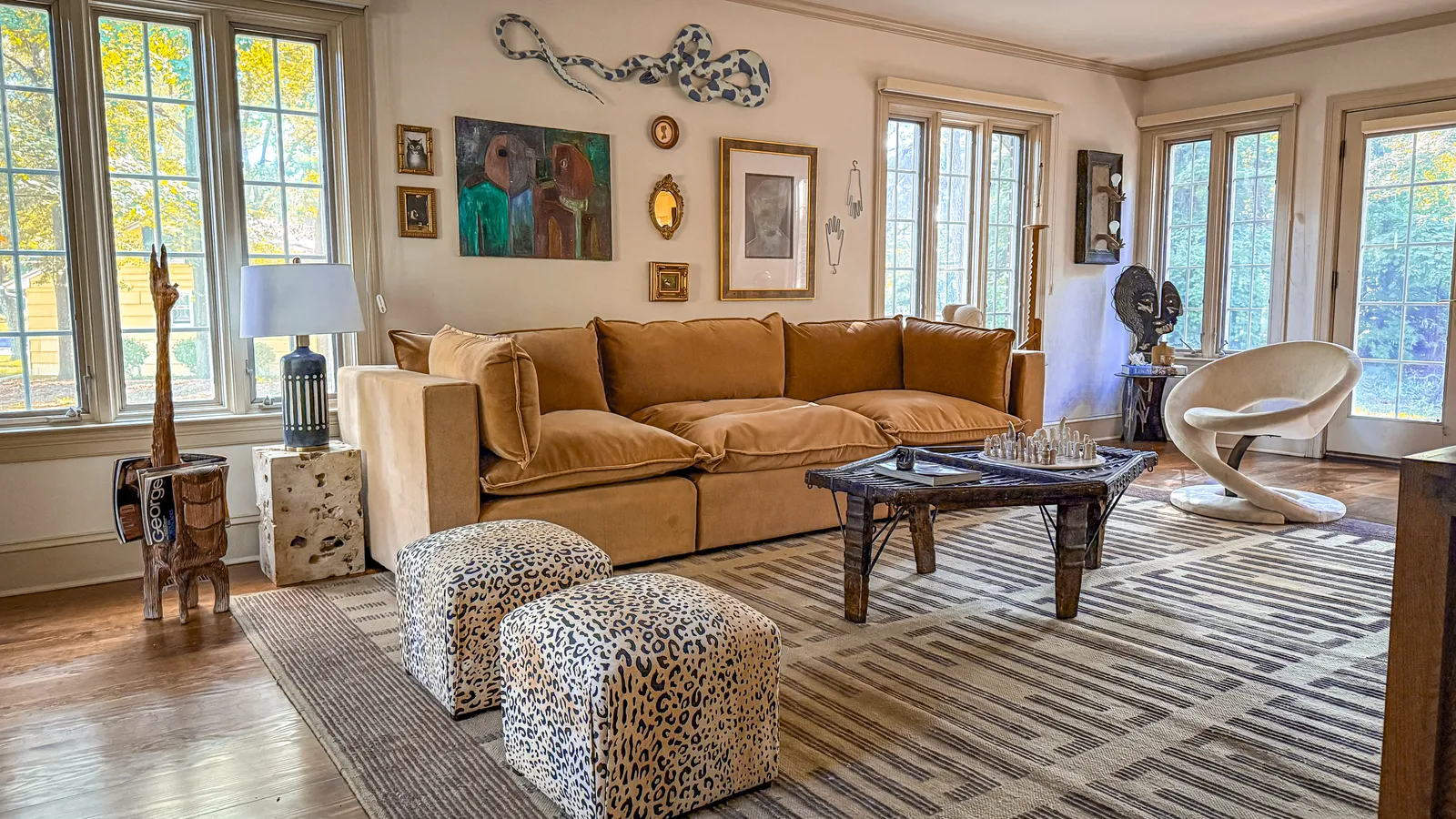

Vintage home decor brings character, history, and individuality into spaces that might otherwise feel overly predictable. Old furniture and decorative pieces often have details, materials, and craftsmanship that are difficult to replicate with mass-produced products. The challenge is making these pieces feel natural in a contemporary home rather than creating an interior that looks like a museum or a completely traditional room. With thoughtful placement, balanced colors, and a mix of old and new elements, vintage pieces can become some of the most interesting features in a modern interior.
Styling vintage furniture does not require replacing everything you already own. In many cases, one carefully selected table, chair, cabinet, mirror, or decorative object can completely change the personality of a room. The key is to create contrast while maintaining visual harmony. Modern lighting, contemporary artwork, simple textiles, and uncluttered surroundings can help older pieces feel fresh and relevant. This approach allows the character of vintage design to stand out without overwhelming the rest of the home.
Understand What Makes Vintage Decor Special
Before adding vintage pieces to a room, it helps to understand what gives them their distinctive appeal. Older furniture may feature solid wood construction, handcrafted details, natural patina, unusual hardware, traditional joinery, or materials that are rarely used in contemporary mass production. Small imperfections can also contribute to a piece's personality because they show evidence of age and previous use. Rather than treating every mark as a flaw, consider whether it adds to the object's authentic character.
Vintage does not necessarily mean extremely old or historically important. The term can describe furniture and accessories from different decades, styles, and design movements. A vintage home decor an antique-style mirror, an older wooden table, or a vintage ceramic collection can all contribute to a layered interior. When selecting pieces, focus on quality, condition, proportions, and how well the item works within your home rather than choosing something simply because it is old.
Start With One Statement Vintage Piece
A simple way to introduce vintage home decor is to begin with one substantial piece that can become a focal point. This might be a beautifully aged cabinet in the living room, an antique-inspired mirror in an entryway, or an old wooden table in the dining area. One strong piece can provide enough historical character without making the room feel crowded. Once it is positioned, you can gradually add smaller details that complement its color, material, or design.
Consider the visual weight of the vintage item before placing it in the room. A large dark cabinet may work best against a lighter wall, while a delicate wooden chair could disappear if surrounded by similarly colored furniture. Contrast helps older pieces remain visible and gives the room a more contemporary feel. Leaving some open space around an important vintage item can also make it appear intentional rather than simply placed wherever there was room.
Mix Vintage With Contemporary Furniture
The most effective vintage interiors often combine pieces from different periods rather than relying entirely on antique furniture. A contemporary sofa can sit comfortably beside an older wooden side table, while a modern floor lamp can provide contrast next to a vintage cabinet. This combination prevents the room from feeling overly themed and gives each piece a clear role. Mixing styles also allows you to keep the practical benefits of contemporary furniture while enjoying the character of older designs.
When combining old and new, look for connections between the pieces. Similar wood tones, complementary colors, repeated shapes, or related materials can create visual relationships even when the furniture comes from different eras. For example, a contemporary chair with curved lines may work naturally beside a vintage round table. The goal is not to make everything match perfectly but to create enough common ground for the room to feel cohesive.
Style a Vintage Dining Table and Chairs
A vintage dining table and chairs can become the foundation of a warm and memorable dining room. Older wooden tables often have natural grain, subtle surface variation, and proportions that give them a sense of permanence. Instead of surrounding the table with matching vintage furniture, consider pairing it with contemporary lighting, modern artwork, or simple tableware. These additions can highlight the table's character while keeping the overall room current.
You can also experiment with seating to create a more collected appearance. Vintage chairs can be mixed with newer upholstered designs when their proportions and heights work comfortably together. If the original chairs are structurally sound but have worn upholstery, professional reupholstering may refresh their appearance while preserving their character. Always evaluate stability, joinery, seat condition, and comfort before using older dining furniture regularly.
Use Color and Texture to Create Balance
Color is one of the easiest ways to connect vintage pieces with modern surroundings. If an older cabinet has warm brown wood, similar tones can be repeated through a rug, artwork, cushions, or smaller accessories. At the same time, introducing contrasting colors can keep the room from becoming visually heavy. Soft neutrals, natural shades, and carefully selected accent colors can help older furniture feel integrated rather than isolated.
Texture is equally important because vintage furniture often has a strong tactile quality. Natural wood can be balanced with linen, wool, cotton, glass, ceramic, or brushed metal. A smooth contemporary surface next to a weathered wooden piece can create an appealing contrast. Layering different textures gives the room depth without requiring excessive decoration, making the overall design feel comfortable and thoughtfully assembled.
Make Vintage Accessories Feel Modern
Small accessories can introduce vintage character without requiring a major furniture investment. Consider old ceramics, framed artwork, decorative boxes, clocks, mirrors, lamps, books, or sculptural objects that complement the existing interior. Instead of displaying every vintage item you own, select a few pieces with distinctive shapes or meaningful details. A limited collection usually has more visual impact than a large group of unrelated objects.
Modern presentation can also change how an older accessory feels. A vintage mirror can look contemporary when placed above a minimalist console, while an older ceramic piece can become a focal point on an uncluttered shelf. Avoid creating too many small displays throughout the room because excessive accessories can make the space feel busy. Grouping a few related pieces together while leaving surrounding areas open creates a cleaner composition.
Pay Attention to Condition and Authenticity
When buying vintage furniture, appearance should not be the only consideration. Inspect joints, legs, drawers, hardware, surfaces, upholstery, and structural components before making a purchase. Signs of age can be attractive, but serious instability, wood damage, pests, excessive moisture exposure, or poorly completed repairs may require professional attention. A piece with good bones can often be restored, but buyers should understand the work involved before committing.
Authenticity can also matter when a piece is represented as a genuine vintage design. Look for manufacturer labels, construction details, materials, dimensions, hardware, and other characteristics that can help establish its history. Not every vintage item will have complete documentation, and restoration may have changed some original features. For valuable or historically significant pieces, professional appraisal or authentication can provide additional confidence before purchase.
Create a Modern Vintage Home Without Overdoing It
A successful vintage-inspired interior should still feel like a comfortable home rather than a collection of old objects. Avoid filling every room with furniture from the same period because repetition can make the design feel staged. Instead, allow modern architectural elements, contemporary furniture, and open spaces to balance the older pieces. This contrast is what gives vintage decor much of its appeal in a modern setting.
Think about function as carefully as appearance. A beautiful old cabinet should provide useful storage, while a dining table should be comfortable for everyday meals and entertaining. If a vintage chair is visually attractive but structurally weak or uncomfortable, it may be better used as an occasional accent than as primary seating. Choosing pieces that work with your lifestyle ensures that vintage decorating remains practical as well as visually distinctive.
Final Thoughts on Vintage Home Decor
Styling vintage home decor in a modern home is about finding a thoughtful relationship between history and contemporary living. Start with a few meaningful pieces, give them enough space to stand out, and surround them with furniture and accessories that provide contrast. Natural materials, complementary colors, layered textures, and contemporary lighting can help older pieces feel fresh without removing the qualities that make them special. The result can be a home that feels personal, welcoming, and visually rich.
Whether you are furnishing a dining room, living area, bedroom, or entryway, vintage pieces can add depth that new furniture alone may not provide. A well-maintained vintage dining table and chairs, for example, can become a lasting centerpiece while modern additions keep the room functional for today's lifestyle. By choosing carefully and avoiding unnecessary clutter, you can create a balanced interior where old and new pieces support one another naturally.
